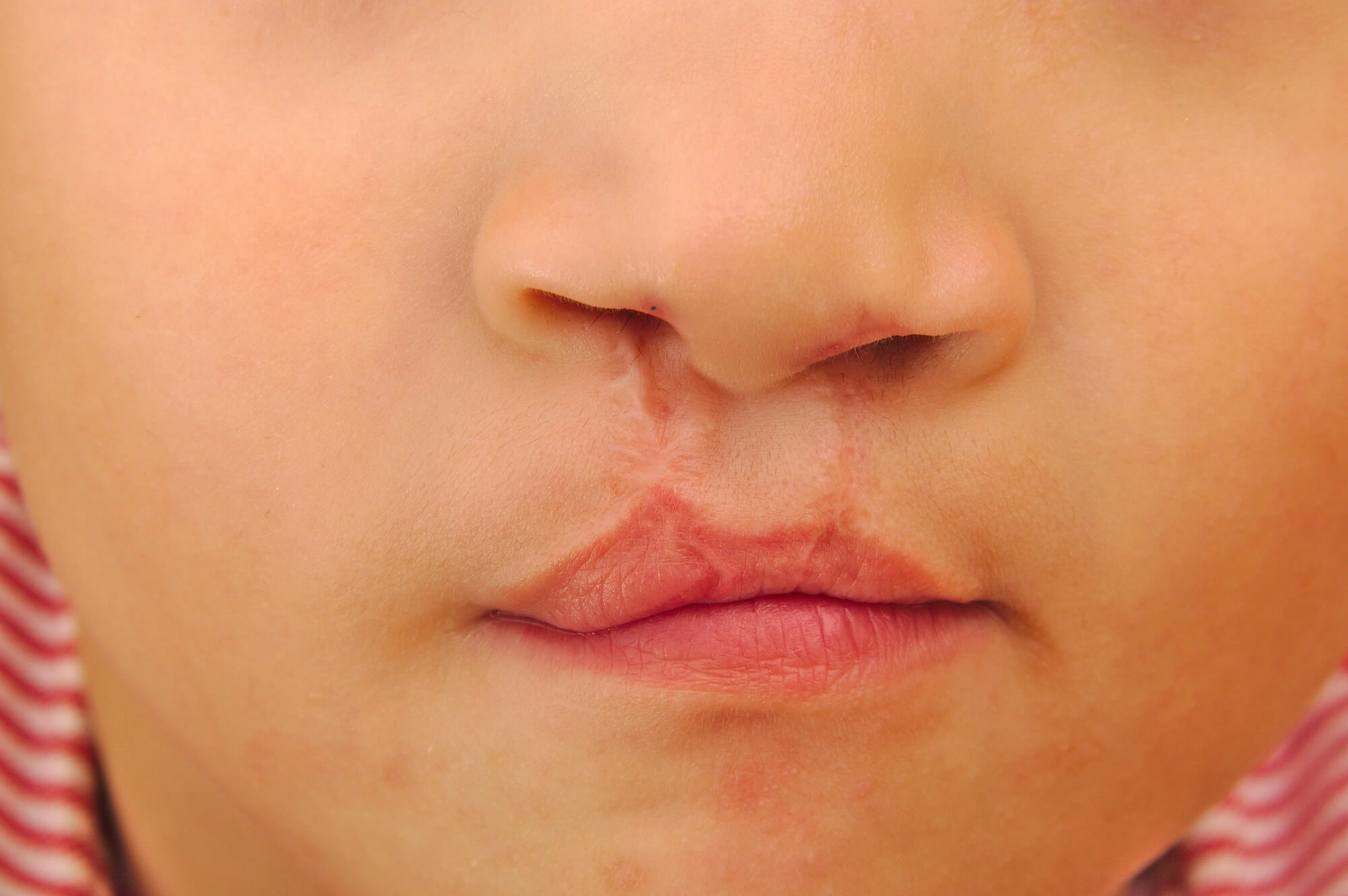
Cleft lip and cleft palate treatment usually involves a long-term, coordinated approach that may include surgery, dental care, speech therapy, orthodontics, and other specialized services. Because each child's needs are different, treatment is typically planned around the severity of the cleft, the child's age, growth, and overall health. A dentist in Coral Springs, FL can also play an important role in supporting oral health throughout the treatment process.
Cleft lip and cleft palate are among the most common birth differences affecting the structures of the mouth and face. A cleft occurs when certain tissues do not fully join during development before birth. A child may have a cleft lip, cleft palate, or both. The condition can affect feeding, speech, hearing, tooth development, and facial growth, making comprehensive care important.
Treatment does not consist of one procedure or appointment. Instead, children often receive care from several specialists who work together as they grow.
What Is Cleft Lip and Cleft Palate?
A cleft lip is an opening or separation in the upper lip that develops when the tissues forming the lip do not completely fuse. A cleft palate occurs when the tissues forming the roof of the mouth do not fully join.
These conditions can vary significantly. Some children have a small opening, while others have a cleft that extends through a larger portion of the lip or palate.
How Can Cleft Conditions Affect a Child?
The effects depend on the type and severity of the cleft. Some children may experience difficulties with:
Not every child experiences all of these concerns. A personalized treatment plan helps address the specific needs that arise throughout development.
How Is Cleft Lip Treated?
Cleft lip is generally treated surgically to close the separation and improve the structure and appearance of the upper lip. The timing of surgery varies according to the child's health, the severity of the cleft, and the treatment plan established by the child's medical team.
Cleft Lip Repair
During cleft lip repair, a surgeon carefully brings the separated tissues together. The procedure is designed to restore continuity of the lip while supporting normal function and facial development.
Following surgery, the child may need follow-up appointments to monitor healing and development. In some cases, additional procedures may be recommended as the child grows.
What Happens as the Child Grows?
Cleft care is often a long-term process. A child may require additional surgical or dental treatment as facial structures mature. The treatment team monitors changes over time and adjusts the plan when necessary.
The goal is not only to close the opening but also to support healthy facial development, function, speech, and oral health.
How Is Cleft Palate Treated?
Cleft palate is commonly treated with surgery to close the opening in the roof of the mouth. Closing the palate can support feeding, speech development, and separation between the oral and nasal cavities.
Palate Repair Surgery
During palate repair, the surgeon repositions and joins the tissues that form the roof of the mouth. The exact technique and timing depend on the child's individual anatomy and treatment plan.
After surgery, follow-up care is important. The child's healthcare team may monitor healing, speech development, hearing, and facial growth.
Why Is Speech Therapy Sometimes Needed?
The palate plays an important role in producing speech sounds. Some children with cleft palate may have difficulty developing certain sounds or may develop speech patterns that require additional support.
A speech-language pathologist can evaluate the child's communication and provide therapy when appropriate. Speech treatment may continue as the child develops and begins using more complex language.
What Role Does Dental Care Play?
Dental care is an important part of long-term cleft treatment. Children with cleft conditions may have missing, extra, malformed, or improperly positioned teeth near the cleft area. These concerns can affect chewing, oral hygiene, and the alignment of permanent teeth.
Children with cleft conditions benefit from the same basic preventive habits as other children, including brushing with fluoride toothpaste, cleaning between teeth when appropriate, and receiving professional dental care.
However, additional attention may be needed around the cleft area because irregular tooth positioning can make cleaning more difficult.
A dental professional can provide age-appropriate recommendations for brushing techniques, fluoride use, and other preventive measures.
When Does Orthodontic Treatment Begin?
Orthodontic care is another important component of cleft treatment. Because cleft conditions can affect the development and position of the teeth and jaw, orthodontists may monitor tooth eruption and facial growth over several years.
Early Orthodontic Evaluation
An orthodontic evaluation can help determine how the teeth are developing and whether there is enough space for permanent teeth to erupt properly. Treatment is not necessarily started immediately. Instead, the orthodontist monitors development and determines when intervention would provide the greatest benefit.
Orthodontics and the Cleft Area
Some children may require orthodontic treatment to improve the alignment of teeth around the cleft. In certain cases, orthodontic care may also be coordinated with surgical procedures involving the jaw or bone.
Because timing can be important, communication between the orthodontist, surgeon, dentist, and other specialists helps keep treatment coordinated.
What Other Specialists May Be Involved?
Cleft lip and cleft palate treatment often involves several healthcare professionals rather than a single provider. The exact team depends on the child's needs.
A multidisciplinary team may include:
Oral and maxillofacial surgeons
Plastic surgeons
Pediatric dentists
Orthodontists
Speech-language pathologists
Ear, nose, and throat specialists
Pediatricians
Audiologists
Genetic counselors
Psychologists or other support professionals
Each specialist contributes to a different aspect of the child's care. Working together can help the team address both immediate concerns and long-term development.
How Does Treatment Change With Age?
Cleft treatment is generally planned around developmental milestones. Infancy may focus on feeding and early medical needs, while later stages may involve surgery, dental monitoring, orthodontics, speech therapy, and other services.
Infancy and Early Childhood
During infancy, feeding support may be necessary, particularly when a cleft palate makes it difficult for a baby to create normal suction. Healthcare professionals can recommend specialized feeding techniques or equipment when needed.
Cleft lip and palate surgeries are often performed during early childhood, although exact timing varies.
School-Age Years
As children grow, dental and speech concerns may become more apparent. Routine dental visits, orthodontic monitoring, and speech evaluations can help identify issues that need attention.
Children may also become more aware of differences in appearance or speech during school years. Appropriate emotional and social support can be an important part of comprehensive care.
Adolescence and Beyond
Some patients may require additional procedures during adolescence as their jaws and facial structures mature. Orthodontic treatment may continue, and some individuals may need corrective jaw surgery or other procedures.
Long-term dental care remains important even after major surgical treatment is complete.
Why Is Follow-Up Care Important?
Cleft lip and cleft palate treatment is not considered complete simply because a surgical opening has been closed. The child's teeth, jaws, speech, hearing, and facial structures continue to develop.
Regular follow-up appointments allow the care team to monitor these changes and address problems as they arise.
Parents can support their child's treatment by:
Keeping scheduled appointments
Following post-surgical care instructions
Maintaining daily oral hygiene
Encouraging healthy eating habits
Attending recommended speech or orthodontic evaluations
Communicating new symptoms or concerns to the care team
Consistent follow-up can help ensure that treatment evolves with the child's changing needs.
How Can Parents Support Oral Health at Home?
Good oral hygiene is particularly important for children with cleft conditions. Parents should help young children brush their teeth and gradually teach them to take responsibility for their own oral care.
A dentist can demonstrate effective cleaning techniques, especially when teeth are crowded, rotated, or positioned near the cleft.
Parents should also watch for signs of dental problems, including tooth sensitivity, persistent discomfort, swollen gums, or difficulty cleaning specific areas. Bringing these concerns to the attention of the dental team can help prevent small problems from becoming more complicated.
Visit a dentist in Coral Springs, FL for Cleft-Related Dental Care
Cleft lip and cleft palate treatment is a long-term process that may involve surgery, dental care, orthodontics, speech therapy, and several other forms of specialized support. Coordinating these services throughout childhood can help address functional, developmental, and oral health needs as they arise. TLC Dental provides dental care that can be an important part of maintaining oral health for patients with complex dental needs. Schedule an appointment to discuss your child's dental health and develop an appropriate plan for ongoing care.
Taking your child to a pediatric dentist in Tamarac is one of the best ways to support their long-term oral health. Regular dental visits do more than keep teeth clean—they help prevent cavities, monitor healthy development, and teach children positive oral hygiene habits that can last a lifetime. Understanding what happens during a dental appointment can also ease any anxiety you or your child may have, making each visit a positive experience.
What Happens During Your Child's Dental Visit?
A child's dental appointment is designed to be comfortable, educational, and preventive. Every step of the visit focuses on protecting your child's oral health while helping them feel safe and confident in the dental chair.
A Friendly Welcome and Initial Check-In
The visit usually begins with a warm greeting from the dental team. Creating a welcoming environment helps children feel relaxed, especially if it's their first appointment.
Regular examinations allow dental problems to be identified early, often before they become painful or require more extensive treatment. Monitoring how the teeth and jaws develop also helps ensure your child's smile is growing as expected.
Even children who brush and floss every day can develop plaque in hard-to-reach areas. If plaque isn't removed, it hardens into tartar, which cannot be cleaned away with a toothbrush at home.
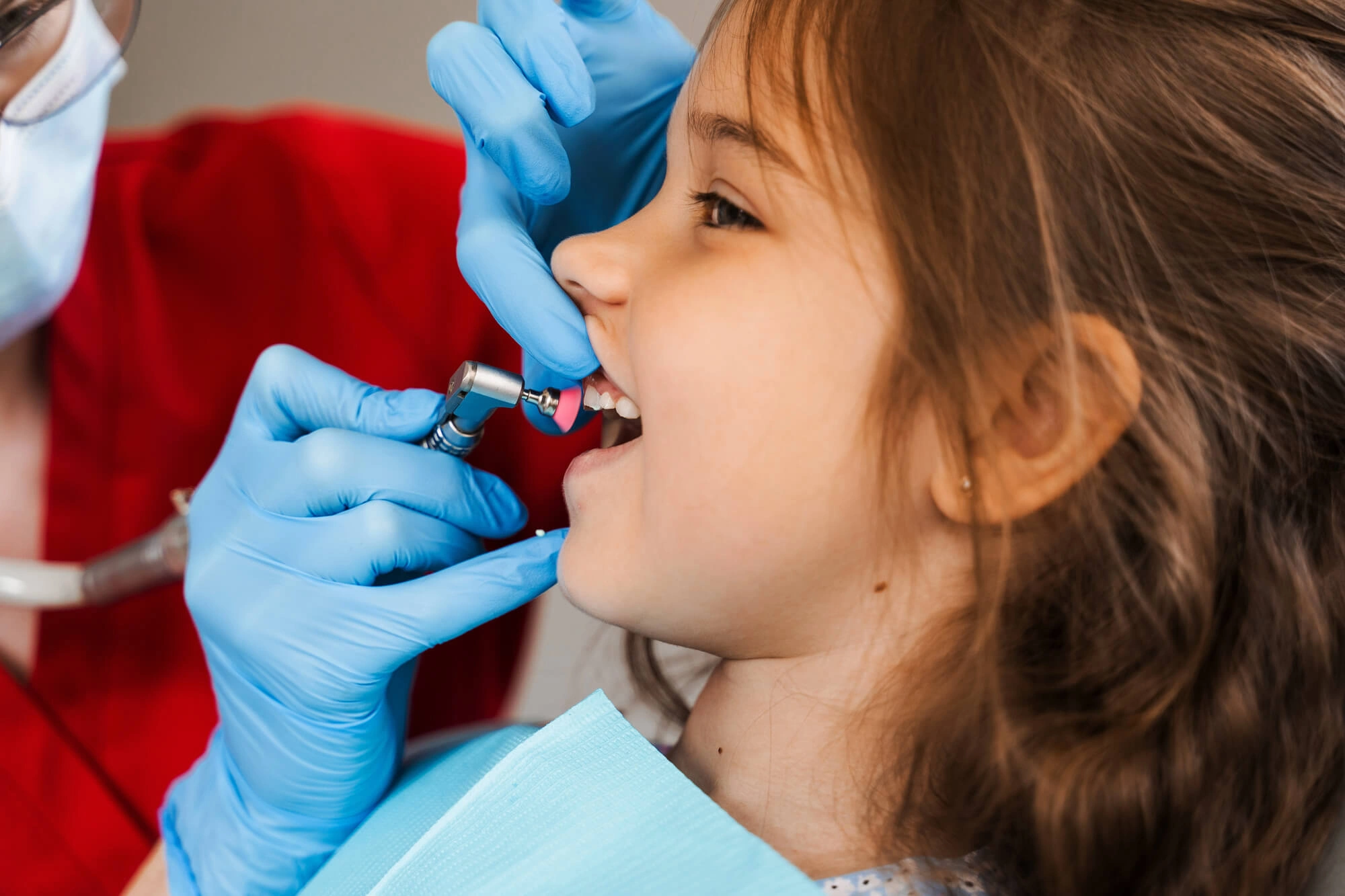
During the cleaning, a dental hygienist or dentist will:
Remove plaque and tartar buildup
Carefully clean around the gumline
Polish the teeth to remove surface stains
Floss between each tooth
Rinse away any remaining debris
The cleaning leaves teeth feeling smooth and fresh while reducing the risk of cavities and gum disease.
Fluoride Treatment and Preventive Care
Depending on your child's age and oral health, the dentist may recommend a fluoride treatment.
Fluoride strengthens tooth enamel, making teeth more resistant to decay. The treatment is quick, painless, and provides added protection between dental visits.
Some children may also benefit from dental sealants. These thin protective coatings are placed on the chewing surfaces of back teeth to help prevent food and bacteria from becoming trapped in deep grooves where cavities often develop.
The dentist will explain whether these preventive treatments are appropriate for your child.
Why Regular Dental Cleanings Are Essential for Children
Professional dental cleanings are about much more than making teeth look clean. They are a key part of preventive dentistry and help support healthy smiles throughout childhood.
They Help Prevent Cavities
Cavities are one of the most common childhood dental problems, but they're also highly preventable.
Daily brushing and flossing are important, but they cannot always remove every bit of plaque. Regular cleanings eliminate buildup before it causes tooth decay.
By preventing cavities early, children are less likely to experience toothaches, infections, or the need for restorative dental treatments later.
They Support Healthy Gums
Healthy gums provide the foundation for healthy teeth.
When plaque builds up near the gumline, it can irritate the gums and lead to inflammation. Professional cleanings remove these deposits, helping keep the gums healthy as your child grows.
Healthy gums also support the proper eruption and stability of permanent teeth.
They Monitor Growth and Development
Children's mouths change quickly as baby teeth fall out and permanent teeth come in.
Routine dental visits allow the dentist to monitor:
Detecting these issues early often makes future treatment simpler and more effective.
They Encourage Good Oral Hygiene Habits
Dental appointments are valuable learning opportunities.
The dentist and hygienist can show children proper brushing and flossing techniques while encouraging healthy habits at home. Children who understand why oral hygiene matters are often more motivated to take care of their teeth every day.
Parents also receive guidance on supporting their child's oral health through proper nutrition, daily hygiene routines, and preventive care.
Preparing your child ahead of time can help make the experience more enjoyable and less stressful.
Here are a few simple tips:
Speak positively about visiting the dentist.
Explain that the dentist helps keep teeth healthy and strong.
Avoid using words that may create fear or anxiety.
Schedule appointments when your child is well-rested.
Encourage brushing before leaving for the appointment.
Bring a favorite stuffed animal or comfort item if it helps your child relax.
Allow your child to ask questions before the visit.
A calm, positive approach helps children build confidence and develop a healthy attitude toward dental care.
How Often Should Children Have Dental Cleanings?
Most children benefit from visiting the pediatric dentist every six months for routine examinations and professional cleanings.
However, every child is unique. Some children may need more frequent visits depending on factors such as:
Previous cavities
Higher risk of tooth decay
Orthodontic appliances
Medical conditions affecting oral health
Special healthcare needs
Your dentist will recommend a schedule that best supports your child's individual needs.
Keeping up with routine appointments helps ensure that small concerns are addressed before they become larger problems.
Why Positive Dental Experiences Matter
Children who have pleasant dental experiences are more likely to continue prioritizing oral health as they grow older.
Positive visits help children:
Feel comfortable during future appointments
Build trust with their dental team
Develop confidence in caring for their teeth
Reduce fear or anxiety about dental care
Establish lifelong preventive habits
When children learn that visiting the dentist is a normal part of staying healthy, they are more likely to maintain those habits well into adulthood.
Schedule an Appointment with a Pediatric Dentist in Tamarac
Routine dental visits are one of the most effective ways to protect your child's smile, prevent cavities, and encourage lifelong healthy habits. From comprehensive examinations and professional cleanings to preventive treatments and personalized guidance, every appointment plays an important role in supporting your child's oral health. If you're ready to help your child maintain a healthy, confident smile, the caring team at TLC Dental provides gentle preventive care tailored to every stage of childhood. Schedule an appointment today and give your child the foundation for a lifetime of healthy smiles.
Deep tooth infections require prompt treatment to relieve pain, protect your oral health, and save your natural tooth whenever possible. If you're experiencing persistent tooth pain, swelling, or sensitivity, visiting a dentist in Hollywood, FL, can help prevent the infection from worsening. Understanding how dentists diagnose and treat deep tooth infections can help you seek care before complications develop.
Understanding Deep Tooth Infections
A deep tooth infection occurs when bacteria reach the inner part of a tooth, known as the dental pulp. The pulp contains nerves, blood vessels, and connective tissue that keep the tooth healthy. Once bacteria enter this area, the infection can spread quickly, causing pain and inflammation.
Without treatment, the infection may extend beyond the tooth and into the surrounding gums, jawbone, or other areas of the body.
What Causes a Deep Tooth Infection?
Several dental problems can allow bacteria to enter the tooth's pulp.
Maintaining good oral hygiene and scheduling routine dental visits can help reduce the risk of developing these problems.
Common Symptoms to Watch For
The symptoms of a deep tooth infection can vary depending on its severity. Some people experience mild discomfort at first, while others develop sudden, intense pain.
If you notice any of these symptoms, it's important to seek dental care promptly. Early treatment often leads to better outcomes and may help preserve your natural tooth.
How Dentists Diagnose a Deep Tooth Infection
Before recommending treatment, the dentist performs a comprehensive evaluation to determine the source and extent of the infection.
Dental Examination
The dentist begins by discussing your symptoms and reviewing your dental history. During the examination, they will carefully inspect the affected tooth, surrounding gums, and nearby teeth for signs of infection or damage.
The dentist may also gently tap on the tooth or ask you to bite down to identify areas of tenderness.
Dental X-Rays
Dental X-rays are an important diagnostic tool because they reveal problems that cannot be seen during a visual examination.
X-rays can help identify:
Infection near the tooth's root
Bone loss
Deep decay
Hidden cracks
The extent of damage inside the tooth
This information allows the dentist to recommend the most appropriate treatment plan.
How Dentists Treat Deep Tooth Infections
Treatment depends on how advanced the infection is and whether the affected tooth can be saved.
Root Canal Therapy
One of the most common and effective treatments for a deep tooth infection is root canal therapy.
Fills and seals the canals to prevent future infection.
Restores the tooth with a filling or crown if needed.
Many people believe root canals are painful, but modern techniques and local anesthesia make the procedure similar in comfort to receiving a dental filling. The goal is to eliminate infection while preserving your natural tooth.
Drainage of a Dental Abscess
If the infection has formed an abscess, the dentist may drain it to remove accumulated pus and relieve pressure.
Draining the abscess helps reduce pain and swelling, but additional treatment—such as a root canal—is usually needed to eliminate the source of the infection.
Tooth Extraction
Sometimes the infection is too extensive to save the tooth.
In these cases, removing the tooth may be the healthiest option to prevent the infection from spreading further. After extraction, your dentist can discuss tooth replacement options that restore your smile and chewing function.
Antibiotics
Antibiotics may be prescribed when the infection has spread beyond the tooth or when significant swelling is present.
While antibiotics help control bacterial infection, they do not remove infected tissue inside the tooth. They are often used alongside dental treatment rather than as a replacement for it.
What Happens After Treatment?
Recovery depends on the type of treatment performed, but most patients return to normal activities within a day or two.
Following your dentist's instructions helps promote healing and reduce discomfort.
Tips for a Smooth Recovery
After treatment, you may be advised to:
Take medications exactly as prescribed.
Avoid chewing on the treated tooth until it has been fully restored.
Most mild soreness improves within a few days and gradually resolves as the area heals.
Why You Shouldn't Delay Treatment
Ignoring a deep tooth infection can lead to serious oral health complications.
As bacteria continue to spread, the infection may damage surrounding bone, affect neighboring teeth, or cause facial swelling. In rare cases, untreated dental infections can spread to other parts of the body and become a serious medical concern.
Seeking treatment early offers several important benefits:
Relieves pain sooner
Increases the chance of saving the natural tooth
Prevents the infection from spreading
Reduces the need for more complex dental procedures
Protects your long-term oral health
Prompt care is always the best approach when dealing with signs of infection.
Can Deep Tooth Infections Be Prevented?
Although not every infection is avoidable, many can be prevented with consistent oral care.
Treating cavities promptly before they become severe
Wearing a mouthguard during sports if recommended
Preventive care allows dentists to detect small problems before they develop into painful infections that require more extensive treatment.
Visit a dentist in Hollywood, FL, for Expert Treatment
A deep tooth infection should never be ignored. Early diagnosis and prompt treatment can relieve discomfort, stop the infection from spreading, and help preserve your natural tooth whenever possible. Whether you need a thorough evaluation, root canal therapy, or another restorative treatment, the experienced team at TLC Dental is committed to providing compassionate care tailored to your needs. Schedule your appointment today to protect your oral health and restore your healthy smile.
Common Orthodontic Problems and How They're Treated
July 22, 2026
A healthy smile is about more than straight teeth—it also depends on proper bite alignment and jaw function. Many orthodontic problems can be successfully treated with orthodontic treatment services, helping patients improve their oral health, comfort, and confidence. Whether you're experiencing crowded teeth, bite issues, or spacing concerns, understanding the available treatment options can help you make informed decisions about your dental care.
Understanding Common Orthodontic Problems
Orthodontic problems affect how the teeth and jaws fit together. While some issues are noticeable from an early age, others become more apparent as permanent teeth erupt or as the bite changes over time.
Although many people seek orthodontic care to improve the appearance of their smiles, treatment also provides important health benefits. Misaligned teeth can be more difficult to clean, increasing the risk of cavities and gum disease. Bite problems may also contribute to jaw discomfort, uneven tooth wear, and difficulty chewing or speaking.
Fortunately, advances in orthodontics allow many of these conditions to be corrected with personalized treatment plans.
What Causes Orthodontic Problems?
Several factors can contribute to orthodontic concerns. Some people inherit jaw size or tooth alignment from their parents, while others develop problems due to habits or injuries.
Common causes include:
Genetics
Early or late loss of baby teeth
Thumb-sucking beyond early childhood
Prolonged pacifier use
Mouth breathing
Dental trauma
Missing teeth
Jaw growth differences
During an orthodontic evaluation, the dentist carefully examines your teeth, bite, and jaw development to determine the cause of the problem and recommend appropriate treatment.
Why Early Detection Is Important
Orthodontic problems often become easier to treat when identified early. Routine dental visits allow providers to monitor how children's teeth and jaws are developing and recognize concerns before they become more severe.
However, orthodontic treatment is not just for children and teenagers. Adults can also benefit from correcting alignment issues that affect their oral health or quality of life.
Crowded Teeth
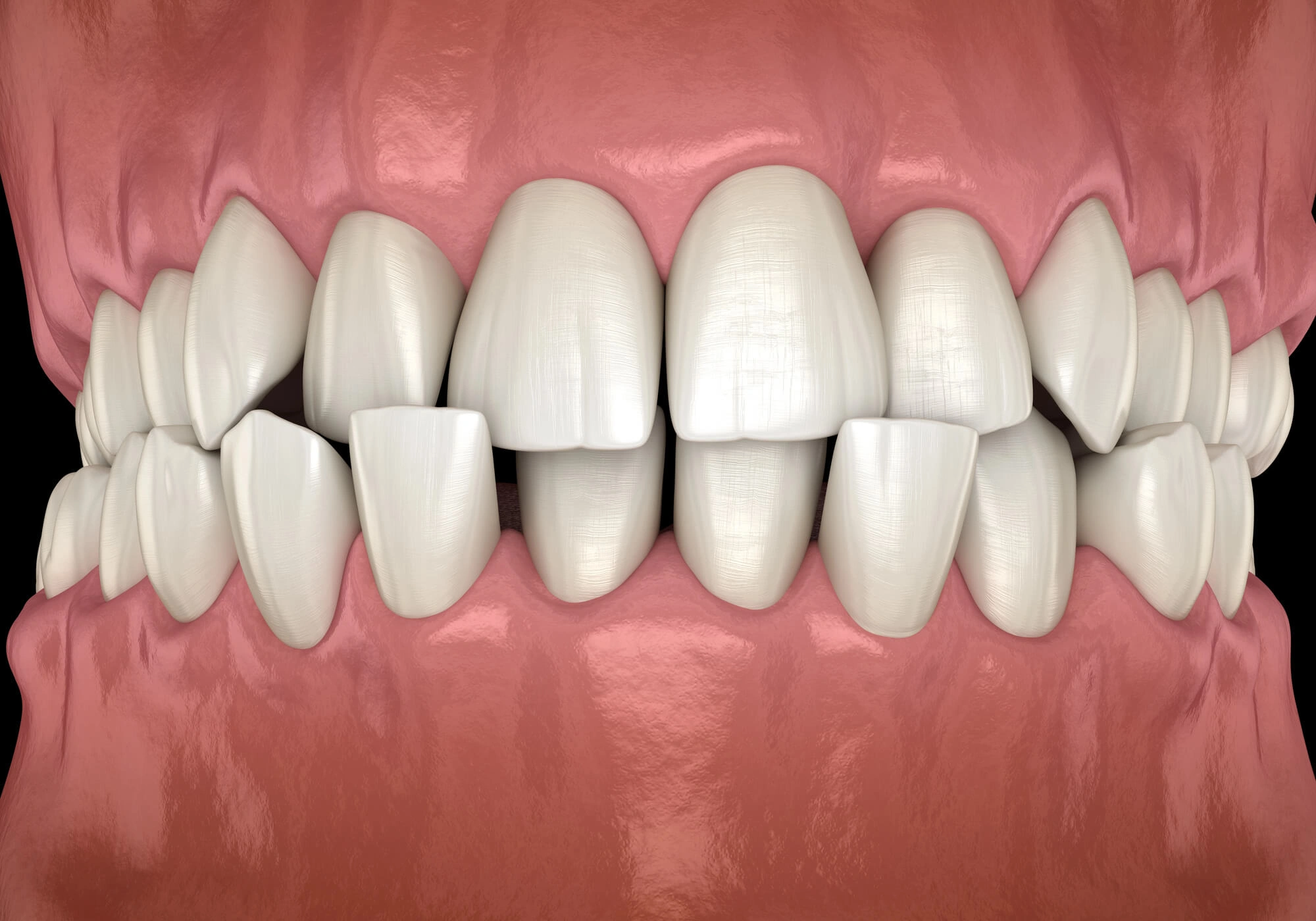
Crowded teeth occur when there isn't enough space in the jaw for all the teeth to fit properly. As teeth compete for space, they may overlap, rotate, or become crooked.
Crowding is one of the most common orthodontic concerns and can make brushing and flossing more challenging.
How Crowded Teeth Are Treated
Treatment depends on the amount of crowding present.
Some people naturally have spaces between their teeth. While small gaps may not cause functional problems, larger spaces can affect bite stability and allow food to become trapped.
Spacing may occur because of genetics, missing teeth, or differences in tooth size.
Treatment Options for Gapped Teeth
Orthodontic treatment gradually moves teeth into healthier positions.
Depending on the patient's needs, treatment may include:
Braces
Clear aligners
Retainers after treatment to maintain results
Closing gaps can improve chewing function while creating a more balanced smile.
Overbite
An overbite occurs when the upper front teeth overlap the lower front teeth excessively.
A mild overbite is common, but severe cases can place extra pressure on certain teeth and contribute to jaw discomfort.
Treatment for Overbites
Orthodontists customize treatment based on the severity of the condition.
Common solutions include:
Braces
Clear aligners
Elastics used with braces
Growth-guiding appliances for younger patients
Correcting an overbite helps distribute biting forces more evenly and protects the teeth from excessive wear.
Underbite
An underbite develops when the lower jaw extends farther forward than the upper jaw, causing the lower teeth to sit in front of the upper teeth.
This condition may interfere with chewing, speech, and facial balance.
How Underbites Are Corrected
Treatment depends on the patient's age and the underlying cause.
Possible options include:
Braces
Clear aligners
Functional appliances
Orthognathic surgery for severe skeletal cases
Early treatment often improves long-term outcomes, particularly for growing children.
Crossbite
A crossbite occurs when one or more upper teeth bite inside the lower teeth instead of outside them.
Crossbites can affect the front teeth, back teeth, or both.
Without treatment, this condition may lead to uneven tooth wear, gum recession, and jaw discomfort.
Common Treatment Options
Treatment may involve:
Braces
Clear aligners
Palatal expanders
Other orthodontic appliances
Correcting a crossbite helps create a healthier bite while reducing unnecessary stress on the teeth and jaw.
Open Bite
An open bite occurs when the upper and lower front teeth do not touch while the mouth is closed.
This condition may result from genetics, prolonged thumb-sucking, tongue thrusting, or jaw growth patterns.
People with an open bite may have difficulty biting into foods or pronouncing certain words clearly.
Treatment for Open Bites
Treatment focuses on correcting tooth alignment while addressing contributing habits when necessary.
Options may include:
Braces
Clear aligners
Habit-correcting appliances
Growth modification in younger patients
Correcting an open bite can improve speech, chewing efficiency, and overall oral function.
What to Expect During Orthodontic Treatment
Every orthodontic journey begins with a comprehensive evaluation.
During your consultation, the dental team will assess your oral health using examinations, digital imaging, photographs, and bite analysis. These findings help determine the most effective treatment plan for your unique needs.
Once treatment begins, regular appointments allow the dentist to monitor tooth movement and make adjustments as needed.
Treatment time varies depending on the complexity of the case. Some patients complete treatment within a year, while others may require two years or longer to achieve optimal results.
Following your treatment plan carefully helps ensure the best possible outcome.
Good oral hygiene plays a major role in successful orthodontic treatment.
Whether you wear braces or clear aligners, keeping your teeth clean helps prevent cavities and gum disease throughout treatment.
Healthy habits include:
Brushing thoroughly after every meal
Flossing daily using orthodontic-friendly tools
Limiting sugary snacks and beverages
Avoiding hard or sticky foods if wearing braces
Attending routine dental cleanings
Keeping all scheduled orthodontic appointments
Wearing retainers as directed after treatment
Consistent home care protects your teeth while allowing treatment to progress smoothly.
Benefits of Correcting Orthodontic Problems
Orthodontic treatment offers lasting benefits that extend well beyond appearance.
Properly aligned teeth are easier to clean, reducing the likelihood of plaque buildup and gum disease. A balanced bite also helps minimize uneven tooth wear and unnecessary stress on the jaw joints.
Patients who complete orthodontic treatment often experience:
Improved oral hygiene
Healthier gums
Better chewing ability
More balanced bite function
Reduced risk of tooth damage
Increased confidence when smiling
Long-term improvements in oral health
These benefits can positively impact both your dental health and overall quality of life.
Who Can Benefit From Orthodontic Treatment?
Orthodontic care is suitable for children, teenagers, and adults.
Children may benefit from early evaluations that identify developing bite problems before they become more serious. Teenagers often begin treatment once most permanent teeth have erupted, while many adults choose orthodontic care to improve oral health or correct alignment issues that were never treated earlier in life.
Regardless of age, a personalized evaluation helps determine whether orthodontic treatment is appropriate and which option best fits your needs and lifestyle.
Orthodontic problems don't have to affect your comfort, confidence, or oral health for years to come. Whether you're dealing with crowded teeth, spacing issues, or bite concerns, timely treatment can create a healthier, more functional smile that lasts a lifetime. The experienced team at TLC Dental provides individualized orthodontic care designed to meet each patient's unique needs and goals. Schedule a consultation today and take the first step toward achieving a straighter, healthier smile.
Knowing whether to visit a dentist or an orthodontist can help you receive the right care for your smile. While both professionals play an important role in maintaining oral health, they have different areas of expertise. If you're considering braces, clear aligners, or treatment for bite issues, an orthodontist in FT Lauderdale can provide specialized care designed to improve the alignment and function of your teeth.
Understanding the Difference Between a Dentist and an Orthodontist
Dentists and orthodontists work together to help patients achieve healthy smiles, but their education, training, and treatment focus are different.
A general dentist provides preventive, restorative, and cosmetic dental care. Their goal is to keep your teeth and gums healthy through routine checkups, cleanings, fillings, crowns, and other common dental procedures.
An orthodontist is a dentist who completes additional years of specialized education and clinical training focused on diagnosing, preventing, and correcting problems involving tooth alignment, jaw position, and bite function.
Both professionals are essential to your oral health, but each serves a different purpose.
What Does a General Dentist Do?
A general dentist is usually your primary dental care provider and the professional you see regularly for routine oral health maintenance.
Regular dental visits help detect oral health concerns early and reduce the risk of more serious problems developing over time.
What Does an Orthodontist Do?
An orthodontist focuses specifically on correcting the position of the teeth and jaws.
After completing dental school, orthodontists receive advanced specialty training in tooth movement, facial growth, and bite correction. This specialized education allows them to create customized treatment plans for patients with alignment concerns.
An orthodontist is the best choice when your concern involves tooth alignment or bite function.
Several signs may indicate that orthodontic treatment could be beneficial.
Crooked or Crowded Teeth
Crowded teeth may overlap or rotate because there isn't enough room in the jaw.
Besides affecting appearance, crowding can make brushing and flossing more difficult, increasing the risk of plaque buildup, cavities, and gum disease.
Orthodontic treatment gradually moves teeth into healthier positions, making oral hygiene easier.
Correcting these problems improves chewing efficiency, reduces uneven tooth wear, and may help relieve stress on the jaw joints.
Gaps Between Teeth
Spacing issues may occur because of genetics, missing teeth, or differences in tooth size.
Closing unwanted gaps creates a more balanced smile while improving bite stability.
Can Children Benefit From Seeing an Orthodontist?
Yes. Children often benefit from early orthodontic evaluations because growing jaws are easier to guide during development.
Many dental professionals recommend an orthodontic evaluation around age seven.
This does not always mean treatment is needed immediately. Instead, the orthodontist monitors growth and determines the best timing for care if problems develop.
Early evaluations may identify:
Jaw growth concerns
Crowding
Bite problems
Impacted teeth
Harmful oral habits
Addressing certain issues during childhood may reduce the need for more extensive treatment later.
Can Adults See an Orthodontist?
Absolutely.
Orthodontic treatment is becoming increasingly popular among adults who want healthier, straighter smiles.
Many adults seek treatment to:
Improve smile appearance
Correct bite problems
Make teeth easier to clean
Replace teeth after previous dental work
Improve overall oral health
Modern treatment options, including clear aligners and less noticeable braces, make orthodontic care more convenient than ever.
Age alone should never prevent someone from exploring orthodontic treatment.
What Happens During an Orthodontic Consultation?
An orthodontic consultation is designed to evaluate your teeth, bite, and jaw alignment.
During your first visit, the orthodontist may perform:
Comprehensive Examination
Your orthodontist carefully evaluates:
Tooth alignment
Bite relationship
Jaw function
Facial symmetry
Oral health
This examination helps identify existing concerns and determine appropriate treatment options.
Diagnostic Imaging
Digital X-rays, photographs, and impressions or digital scans provide detailed information about your teeth and jaw structure.
These images allow the orthodontist to develop an accurate treatment plan.
Personalized Treatment Recommendations
Every smile is unique.
Based on your evaluation, your orthodontist explains:
Your diagnosis
Available treatment options
Estimated treatment timeline
Expected results
Maintenance after treatment
You'll also have the opportunity to ask questions and discuss your treatment goals.
Why Orthodontic Care Is About More Than Appearance
Many people assume orthodontic treatment is purely cosmetic, but properly aligned teeth offer several important health benefits.
Straight teeth are generally easier to brush and floss, reducing plaque accumulation and lowering the risk of cavities and gum disease.
A balanced bite also helps distribute chewing forces evenly, reducing unnecessary stress on teeth and jaw joints.
Additional benefits include:
Improved oral hygiene
Better chewing efficiency
Reduced abnormal tooth wear
Healthier gums
Enhanced speech in some cases
Greater long-term comfort
Increased confidence
These improvements contribute to both oral health and overall well-being.
Whether you need routine dental care or specialized orthodontic treatment, choosing the right provider is an important step toward achieving a healthy smile. If you're experiencing crowded teeth, bite problems, or spacing concerns, seeking an orthodontic evaluation can help you understand your treatment options and create a personalized plan for lasting results. The experienced team at TLC Dental is dedicated to providing comprehensive orthodontic care tailored to patients of all ages. Schedule your consultation today and take the next step toward a healthier, more confident smile.
Braces may cause temporary discomfort, especially after they are first placed or adjusted, but they should not cause severe pain. Many patients considering Braces in Hollywood are concerned about discomfort, yet most find that any soreness is manageable and short-lived. Understanding what to expect can help you feel more confident and prepared before beginning orthodontic treatment.
Do Braces Actually Hurt?
One of the most common questions orthodontic patients ask is whether braces hurt. The simple answer is that braces can cause some discomfort, but the sensation is usually mild and temporary.
Braces work by applying gentle, consistent pressure to gradually move teeth into their proper positions. Because the teeth and surrounding tissues are adjusting to this pressure, it is normal to experience soreness at certain stages of treatment.
Most patients describe the feeling as pressure, tenderness, or mild aching rather than sharp pain. The discomfort typically decreases within a few days as the mouth adapts to the changes.
Understanding that these sensations are part of the alignment process can help patients feel more comfortable throughout treatment.
What to Expect When Braces Are First Placed
The first few days after receiving braces are usually when patients notice the most discomfort.
Initial Pressure and Soreness
When braces are first placed, the brackets and wires begin applying pressure to the teeth. Although you may not feel significant discomfort immediately, soreness often develops within several hours.
Common sensations include:
Mild aching in the teeth
Pressure when biting or chewing
Tenderness around the gums
Increased tooth sensitivity
These symptoms are temporary and typically improve within a few days.
Adjusting to Brackets and Wires
In addition to tooth soreness, patients often need time to adjust to the physical presence of braces inside the mouth.
Brackets may initially rub against the cheeks, lips, or tongue. This irritation is normal and usually improves as the soft tissues become accustomed to the braces. Orthodontic wax can often help reduce friction and improve comfort during this adjustment period.
Most patients adapt surprisingly quickly and find that speaking and eating become easier after the first week.
Do Braces Hurt After Adjustment Appointments?
Orthodontic treatment requires periodic adjustment appointments to keep teeth moving according to plan.
Why Adjustments Cause Temporary Discomfort
During adjustment visits, the orthodontist may tighten wires, replace elastic bands, or make other modifications. These changes reactivate the pressure needed to continue tooth movement.
As a result, patients often experience mild soreness for a day or two after appointments. This discomfort is generally similar to what was felt when braces were first placed, although it is often less intense because the mouth has already adapted to treatment.
The soreness is usually a sign that the braces are working as intended.
How Long Does the Discomfort Last?
For most patients, discomfort following adjustments lasts between one and three days. Some individuals experience only mild pressure, while others notice temporary tenderness when chewing.
The duration and intensity can vary based on:
Individual pain tolerance
Complexity of tooth movement
Type of adjustment performed
Stage of treatment
Fortunately, these sensations typically fade quickly as the teeth adjust to their new positions.
Tips for Managing Braces Discomfort
Although braces-related soreness is usually manageable, there are several ways to stay comfortable throughout treatment.
Choose Soft Foods
Eating softer foods during periods of soreness can reduce pressure on the teeth and make meals more enjoyable.
Good options include:
Yogurt
Mashed potatoes
Smoothies
Soup
Scrambled eggs
These foods allow patients to maintain proper nutrition while minimizing discomfort.
Use Orthodontic Wax
Orthodontic wax can be placed over brackets that are irritating the cheeks or lips. This creates a protective barrier that reduces friction and helps prevent sores from developing.
Many patients find wax especially helpful during the first few weeks of treatment.
Keeping teeth and gums clean is important throughout orthodontic treatment. Healthy gums are generally less prone to irritation and inflammation, making treatment more comfortable overall.
Brushing carefully around brackets and flossing regularly can help prevent oral health issues that may contribute to discomfort.
Are Braces More Comfortable Today?
Modern braces have come a long way from older orthodontic systems. Advances in materials and technology have improved both comfort and efficiency.
Today's braces are designed to apply gentler forces while still achieving effective tooth movement. Smaller brackets and improved wire technology often make treatment more comfortable than many people expect.
While some soreness remains a normal part of orthodontic treatment, modern techniques have helped reduce the discomfort associated with braces.
Why Temporary Discomfort Is Worth It
Orthodontic treatment is an investment in long-term oral health and confidence. Although temporary soreness may occur, the benefits often far outweigh the short-term inconvenience.
Straight teeth are easier to clean and maintain, which can reduce the risk of cavities and gum disease. Proper alignment also helps improve bite function and can reduce excessive wear on certain teeth.
Many patients report increased confidence after treatment because they feel more comfortable smiling, speaking, and interacting with others.
The temporary adjustments required during treatment ultimately lead to lasting improvements in both appearance and oral health.
What If Braces Cause Severe Pain?
While mild discomfort is normal, severe or persistent pain is not typical. Patients who experience significant discomfort, broken brackets, poking wires, or unusual symptoms should contact their orthodontic provider.
Prompt attention can help address problems quickly and ensure treatment continues as planned. Most orthodontic concerns can be resolved with simple adjustments or repairs.
Open communication with your dental team helps create a smoother and more comfortable treatment experience.
Frequently Asked Questions
How long do braces hurt after they are first placed?
Most patients experience mild soreness for three to five days after receiving braces. The discomfort gradually improves as the mouth adjusts to treatment.
Do braces hurt every day?
No. Most patients only experience temporary soreness after initial placement or adjustment appointments. Daily discomfort is generally minimal once the mouth adapts.
Are braces more painful for adults than teenagers?
Not necessarily. Adults and teenagers generally experience similar levels of discomfort, although individual experiences can vary.
Is soreness a sign that braces are working?
Yes. Mild pressure and tenderness often indicate that the teeth are responding to orthodontic forces and gradually moving into proper alignment.
Schedule Your Appointment for Braces in Hollywood Today
While braces may cause temporary discomfort, the process is usually much easier than many patients expect. Understanding what happens during treatment can help reduce anxiety and make the experience more manageable. The short-term soreness associated with braces is a normal part of achieving a healthier, straighter smile.
If you are considering orthodontic treatment, schedule a consultation with TLC Dental. Their experienced team can answer your questions, explain your options, and help you begin your journey toward improved oral health and a more confident smile.
Severe tooth pain, swelling, and signs of infection should never be ignored because they may indicate damage deep within the tooth. An emergency dentist in Ft Lauderdale can evaluate your symptoms and determine whether an emergency root canal is necessary to save your tooth and relieve discomfort. Seeking treatment quickly can help prevent the infection from spreading and reduce the risk of more extensive dental procedures.
What Is an Emergency Root Canal?
A root canal is a restorative dental procedure used to remove infected or damaged pulp from inside a tooth. The pulp contains nerves, blood vessels, and connective tissue that help the tooth develop. When this inner tissue becomes infected due to decay, trauma, or a crack in the tooth, immediate treatment may be necessary.
An emergency root canal is performed when symptoms become severe or when an infection poses a threat to the health of the tooth and surrounding tissues. The goal is to eliminate infection, relieve pain, and preserve the natural tooth whenever possible.
Without treatment, the infection can worsen and potentially spread to nearby areas, increasing the likelihood of tooth loss and other complications.
Common Signs You May Need an Emergency Root Canal
Recognizing the warning signs early can help you seek care before the problem becomes more serious.
One of the most common signs of a tooth infection is intense tooth pain that does not go away. The discomfort may be constant or may worsen when chewing, biting, or applying pressure to the affected tooth.
Pain caused by infected pulp often feels deeper than ordinary tooth sensitivity. Some patients describe it as throbbing, sharp, or radiating into the jaw, ear, or surrounding areas of the face.
If tooth pain is interfering with daily activities, sleeping, or eating, it may be time to seek emergency dental care.
Sensitivity That Lingers
Temporary sensitivity to hot or cold foods can be normal. However, lingering sensitivity that continues long after the source has been removed may indicate damage to the tooth's pulp.
This type of sensitivity often becomes more noticeable over time and may signal that infection or inflammation is affecting the nerve inside the tooth.
If hot coffee, cold drinks, or even room-temperature foods trigger prolonged discomfort, professional evaluation is recommended.
Signs of Infection That Require Immediate Attention
Infections inside the tooth can progress quickly, making prompt treatment important.
Swelling Around the Tooth or Gums
Swelling in the gums, face, or jaw may indicate that the infection has spread beyond the tooth itself. This is a serious symptom that should not be ignored.
Swelling can range from mild gum inflammation to noticeable facial swelling. In some cases, the area may feel tender or warm to the touch.
When swelling accompanies tooth pain, immediate dental evaluation is often necessary.
A Pimple or Abscess on the Gums
A small bump on the gums near a painful tooth may be an abscess. This occurs when an infection creates a pocket of pus within the surrounding tissues.
An abscess can cause:
Persistent pain
Swelling
Bad taste in the mouth
Unpleasant odor
Drainage from the affected area
Even if the abscess begins draining and the pain decreases, treatment is still necessary because the infection remains present.
Tooth Discoloration Can Signal Internal Damage
A tooth that suddenly appears darker than surrounding teeth may indicate internal damage or infection. Trauma, decay, or compromised blood flow inside the tooth can cause discoloration.
Unlike surface stains, discoloration caused by internal damage cannot be corrected with brushing or whitening products. If a tooth changes color unexpectedly, it should be examined by a dental professional.
When combined with pain or sensitivity, discoloration may indicate the need for root canal therapy.
Pain When Chewing or Biting
Pain that occurs while eating or applying pressure to a tooth may suggest infection or inflammation inside the pulp.
As the infection progresses, pressure from normal chewing can become increasingly uncomfortable. Some patients may avoid chewing on one side of the mouth altogether because of the discomfort.
This symptom often indicates that the inner tissues of the tooth are compromised and may require immediate treatment.
What Happens If You Delay Treatment?
Many people hope severe tooth pain will eventually disappear on its own. Unfortunately, dental infections rarely resolve without professional treatment.
In some cases, the infection may spread beyond the mouth and affect overall health. Early intervention significantly improves the chances of saving the natural tooth.
How an Emergency Root Canal Can Help
Root canal therapy removes infected tissue from inside the tooth and disinfects the canals to eliminate bacteria. Once the infection is removed, the tooth is sealed and often restored with a dental crown for additional protection.
The benefits of emergency root canal treatment include:
Relief from severe tooth pain
Elimination of infection
Preservation of the natural tooth
Restoration of normal chewing function
Prevention of future complications
Modern root canal procedures are designed to be comfortable and effective. Most patients find that treatment relieves pain rather than causing it.
What to Expect During Treatment
The procedure begins with a thorough examination and diagnostic imaging to identify the source of the problem. Local anesthesia is then used to ensure patient comfort throughout treatment.
The dentist carefully removes infected pulp tissue, cleans and disinfects the canals, and seals the tooth. Depending on the extent of damage, a dental crown may be recommended to strengthen the tooth and restore function.
Most patients can return to their normal activities shortly after treatment.
Frequently Asked Questions
Is a root canal considered a dental emergency?
A root canal may be considered an emergency when severe pain, swelling, infection, or an abscess is present and requires immediate treatment.
Can a tooth infection go away without treatment?
No. While symptoms may temporarily improve, the infection itself usually remains and can worsen over time without professional care.
How long does an emergency root canal take?
Most root canal procedures can be completed in one visit, although some complex cases may require additional appointments.
Will a root canal save my tooth?
In many cases, yes. Root canal therapy is specifically designed to remove infection while preserving the natural tooth structure.
Is it better to get a root canal or extraction?
When possible, preserving the natural tooth is usually preferred. A dentist can determine the most appropriate treatment based on the condition of the tooth.
Contact an Emergency Dentist in Ft Lauderdale When in Need of Help
Recognizing the warning signs of a serious tooth infection can make the difference between saving and losing a tooth. Severe pain, swelling, lingering sensitivity, and signs of infection should never be ignored. Seeking prompt treatment helps relieve discomfort and protects your long-term oral health.
If you are experiencing symptoms that may require urgent care, schedule an appointment with TLC Dental. Their experienced team can diagnose the problem, provide immediate relief, and recommend the most effective treatment to restore your comfort and protect your smile.
Use Your Tax Refund for Your Smile: Smart Ways to Invest in Dental Care
June 10, 2026
A tax refund can be a valuable opportunity to invest in your oral health and confidence. Whether you have been delaying treatment, considering cosmetic improvements, or exploring braces in Coral Springs, using your refund toward dental care and planning for braces can provide long-term benefits that extend far beyond a temporary purchase.
Why Investing in Your Smile Is a Smart Financial Decision
Many people view a tax refund as extra spending money, often using it for vacations, electronics, or other short-term purchases. While there is nothing wrong with enjoying a refund, investing part of it in your dental health can provide lasting value for years to come.
Your oral health affects much more than your smile. Healthy teeth and gums contribute to proper chewing, speech, comfort, and overall well-being. Addressing dental concerns early can also help prevent more costly treatments in the future.
By putting your tax refund toward preventive, restorative, or orthodontic care, you are making an investment in both your appearance and your long-term health.
Why Orthodontic Treatment Is Worth Considering
Orthodontic treatment is one of the most impactful ways to improve both dental function and smile aesthetics. Many adults and teenagers postpone treatment because of financial concerns, making tax season an ideal time to begin the process.
How Braces Improve More Than Appearance
While straighter teeth certainly enhance appearance, braces offer benefits that extend beyond cosmetics. Properly aligned teeth are easier to clean and maintain, reducing the risk of cavities and gum disease.
Orthodontic treatment may also help:
Improve bite alignment
Reduce uneven tooth wear
Enhance chewing efficiency
Minimize jaw discomfort
Improve overall oral hygiene
These functional improvements can contribute to better oral health for years after treatment is completed.
Why Tax Refund Season Is a Good Time to Start
Many patients use their refund as an initial investment toward orthodontic treatment. Starting treatment sooner allows patients to begin progressing toward their smile goals rather than postponing care indefinitely.
Using a refund for dental care can also reduce out-of-pocket expenses and make treatment planning more manageable.
Other Smart Dental Investments to Consider
While orthodontic treatment is a popular choice, there are many other ways to use a tax refund to improve oral health.
Preventive Dental Care
Preventive care is one of the most effective investments a patient can make. Regular dental visits help identify problems early and reduce the likelihood of needing extensive treatment later.
These services help maintain healthy teeth and gums while supporting long-term oral wellness.
Restorative Dental Treatments
Patients who have delayed treatment due to budget concerns may benefit from using a tax refund to address existing dental problems.
Common restorative treatments include fillings, crowns,root canals, and tooth replacement options. Addressing these issues promptly can help preserve natural teeth and prevent further complications.
Cosmetic Smile Enhancements
For patients interested in improving appearance, cosmetic dental treatments may also be a worthwhile investment. Procedures such as teeth whitening and cosmetic restorations can help create a brighter, more confident smile.
Many patients find that cosmetic improvements positively impact both personal and professional interactions.
The Long-Term Benefits of Investing in Dental Health
Unlike many purchases that lose value over time, dental care often provides benefits that continue for years.
A healthy smile can contribute to:
Greater confidence
Improved oral function
Better overall health
Reduced risk of future dental complications
Lower long-term treatment costs
Taking care of dental concerns early can prevent minor issues from becoming major problems. This proactive approach often saves both time and money in the future.
How to Prioritize Your Dental Needs
If you are unsure how to use your tax refund most effectively, a dental consultation can help identify your greatest needs and goals.
Some patients may benefit most from preventive care, while others may need restorative treatment or orthodontic correction. A personalized evaluation can help determine which treatments will provide the greatest long-term value.
Factors to consider include your oral health status, treatment priorities, cosmetic goals, and budget. By developing a plan with your dental team, you can maximize the impact of your investment.
Why Delaying Treatment Can Cost More Later
One of the biggest mistakes patients make is postponing recommended dental treatment. Small cavities can become larger, minor alignment problems can worsen, and untreated gum disease can lead to significant complications.
Addressing issues now may help prevent:
More extensive procedures
Increased treatment costs
Additional discomfort
Tooth loss
Longer recovery periods
Using a tax refund to begin treatment can help patients avoid these future challenges while improving their oral health immediately.
Frequently Asked Questions
Can I use my tax refund to start braces treatment?
Yes. Many patients use their tax refund as an initial payment toward orthodontic treatment, making it easier to begin improving their smile sooner.
Are braces only for teenagers?
No. Orthodontic treatment is suitable for both teens and adults. Many adults choose braces to improve alignment, oral health, and confidence.
How long does braces treatment usually take?
Treatment length varies depending on the complexity of the case, but most patients wear braces for approximately 12 to 24 months.
What other dental treatments can I invest in with my tax refund?
Many patients use their refund for professional cleanings, crowns, fillings, root canals, dental implants, teeth whitening, and other restorative procedures.
Is it better to address dental problems now rather than later?
Yes. Early treatment can prevent small issues from becoming more serious, helping patients avoid more complex procedures and higher treatment costs later.
Schedule Your Appointment for Braces in Coral Springs Today
Your tax refund represents an opportunity to make meaningful investments in yourself, and your smile is one of the best places to start. Whether you need preventive care, restorative treatment, or orthodontic correction, taking action today can provide benefits that last for years.
Schedule a consultation with TLC Dental to explore your treatment options and create a personalized plan for achieving your oral health goals. Their experienced team can help you make the most of your investment and take the next step toward a healthier, more confident smile.
Missing One Tooth? Why Single Dental Implants Are a Long-Term Solution
June 3, 2026
Replacing a missing tooth as soon as possible can help preserve your oral health, prevent future dental complications, and restore confidence in your smile. A dental implant in Tamarac is often considered the gold standard for replacing a single missing tooth because it provides stability, durability, and a natural appearance while supporting long-term oral health.
Why Even One Missing Tooth Should Not Be Ignored
Many people believe that losing a single tooth is not a serious issue, especially if it is located toward the back of the mouth. However, every tooth plays an important role in maintaining proper bite alignment, chewing function, and jawbone health.
When a tooth is lost, the surrounding teeth begin to compensate for the missing space. Over time, neighboring teeth may gradually shift out of position, causing alignment issues that can affect chewing and oral comfort. The opposing tooth may also begin to move because it no longer has a tooth to bite against.
In addition, the jawbone beneath the missing tooth begins to deteriorate. Without stimulation from a tooth root, the bone gradually shrinks, which can affect facial appearance and weaken support for nearby teeth. Replacing a missing tooth helps prevent these issues before they become more difficult to treat.
What Is a Single Dental Implant?
A single dental implant is a permanent tooth replacement solution designed to replace one missing tooth without affecting neighboring teeth. The implant consists of a titanium post that is surgically placed into the jawbone, where it functions as an artificial tooth root.
After the implant integrates with the bone, a connector known as an abutment is attached. A custom-made dental crown is then secured to the implant, completing the restoration.
The result is a replacement tooth that closely resembles a natural tooth in appearance, function, and feel.
Components of a Dental Implant
A dental implant restoration is made up of three primary parts:
The titanium implant post
The abutment connector
The custom dental crown
Each component works together to create a stable and long-lasting replacement for the missing tooth.
Why Dental Implants Feel Natural
One reason dental implants are so popular is that they function similarly to natural teeth. Because the implant is anchored directly into the jawbone, it provides exceptional stability during chewing and speaking.
Unlike removable options, implants do not shift, slip, or require adhesives. Most patients quickly forget they even have an implant because it feels like a natural part of their smile.
Why Dental Implants Are Considered a Long-Term Solution
Dental implants offer several unique advantages that make them one of the most reliable restorative treatments available today.
Preservation of Jawbone Health
One of the biggest benefits of dental implants is their ability to help preserve jawbone density. When you chew, the implant transfers pressure into the jawbone just as a natural tooth root would.
This stimulation encourages the bone to remain healthy and strong. In contrast, other tooth replacement options may restore appearance and function but do not prevent the bone loss that often follows tooth extraction.
Protection of Adjacent Teeth
Traditional dental bridges often require healthy neighboring teeth to be reshaped in order to support the restoration. This process permanently alters those teeth.
A single implant stands independently and does not rely on adjacent teeth for support. This allows surrounding teeth to remain intact while restoring the missing tooth.
Exceptional Durability
Dental implants are designed to withstand normal daily chewing forces. With proper oral hygiene and routine dental care, many implants last for decades.
Because of their longevity, dental implants are often viewed as a long-term investment in oral health. Many patients find that the durability of implants makes them a valuable solution compared to options that may require replacement more frequently.
Comparing Dental Implants to Other Tooth Replacement Options
Patients replacing a single missing tooth often have several treatment options available. Understanding the differences can help determine which solution best meets their needs.
Dental Implants vs. Dental Bridges
Dental bridges can effectively fill a gap left by a missing tooth. However, they require support from neighboring teeth and do not replace the missing root.
Dental implants offer several advantages over bridges, including:
Preservation of adjacent healthy teeth
Better jawbone support
Longer lifespan
Easier maintenance
More natural function
Dental Implants vs. Partial Dentures
Removable partial dentures are another option for replacing missing teeth. While they may be less expensive initially, they often require adjustments and replacements over time.
Dental implants provide greater stability and comfort because they become integrated with the jawbone. Many patients prefer implants because they eliminate concerns about movement while eating or speaking.
What to Expect During the Dental Implant Process
The dental implant process typically begins with a thorough consultation and examination. Your dentist will evaluate your oral health, review your medical history, and determine whether you have sufficient bone support for treatment.
Once treatment is planned, the implant post is placed into the jawbone. During the healing period, the implant gradually fuses with the bone through a natural process known as osseointegration.
After healing is complete, the abutment and custom crown are attached. The final restoration is carefully designed to blend naturally with surrounding teeth and provide optimal function.
While the process takes several months from start to finish, the long-term benefits often make the investment worthwhile.
Many adults who have lost a tooth are good candidates for dental implants. Ideal candidates generally have healthy gums, adequate bone support, and a commitment to maintaining good oral hygiene.
Even if some bone loss has occurred, additional treatments may help prepare the area for implant placement. A professional evaluation can determine whether an implant is the right solution for your situation.
Factors that may influence candidacy include overall health, smoking habits, and existing oral conditions. A personalized assessment helps ensure the best possible outcome.
Caring for Your Dental Implant
One of the advantages of dental implants is that they are easy to maintain. Daily care is very similar to caring for natural teeth.
Consistent oral hygiene helps protect the tissues surrounding the implant and contributes to long-term success.
Frequently Asked Questions
Is getting a dental implant painful?
Most patients report that the procedure is more comfortable than expected. Local anesthesia helps minimize discomfort during treatment, and any soreness afterward is usually temporary.
How long does a dental implant last?
With proper care and regular dental visits, a dental implant can last for decades. Many patients enjoy long-term success and function from their implant restorations.
Schedule Your Appointment for Dental Implant in Tamarac Today
Replacing a single missing tooth is about more than restoring your smile. It is an important step toward protecting your oral health, maintaining jawbone structure, and preserving proper dental function for years to come. A dental implant offers a stable, natural-looking, and long-lasting solution that can improve both confidence and quality of life.
For personalized implant care and expert restorative treatment, schedule a consultation with TLC Dental. Their experienced team can evaluate your needs, answer your questions, and help you determine whether dental implants are the right solution for restoring your complete and healthy smile.
Gum disease can be reversed or controlled when treated early by a Dentist in Tamarac through deep cleaning, ongoing maintenance, and personalized periodontal care. Gum disease is one of the most common oral health issues among adults, yet it often goes unnoticed until it becomes more advanced. Visiting a Dentist regularly plays a crucial role in detecting and treating periodontal disease before it leads to tooth loss or serious gum damage. Healthy gums are the foundation of a healthy smile, and effective treatment focuses on stopping infection, restoring gum health, and preventing recurrence.
Understanding how dentists treat gum disease helps patients take action early and avoid long-term complications.
Understanding Gum Disease and Why Treatment Matters
Gum disease, also known as periodontal disease, is an infection caused by bacteria in plaque that builds up along the gumline. When plaque is not removed properly through daily oral care and professional cleanings, it hardens into tartar and triggers inflammation in the gums.
There are two main stages of gum disease:
Gingivitis (early, reversible stage)
Periodontitis (advanced, progressive stage)
Gingivitis affects only the gums and can often be reversed with proper care. Periodontitis, however, affects the deeper structures that support teeth, including bone, and requires more advanced treatment.
Early Warning Signs Patients Often Miss
One of the biggest challenges with gum disease is that it can develop silently. Many patients do not feel pain in the early stages, which leads them to delay treatment.
Recognizing these symptoms early makes treatment more effective and less invasive.
Why Gum Disease Progresses Without Treatment
Gum disease worsens when bacteria continue to accumulate below the gumline. Over time, the infection creates pockets between teeth and gums, allowing more bacteria to thrive.
Factors that increase risk include:
Poor oral hygiene habits
Smoking or tobacco use
Diabetes and other health conditions
Hormonal changes
Genetic predisposition
Without professional intervention, the condition can lead to irreversible damage.
How a Dentist Diagnoses Gum Disease
A Dentist begins treatment with a detailed examination of the gums, teeth, and supporting bone structure. Early diagnosis is essential for determining the severity of the disease and selecting the appropriate treatment plan.
Comprehensive Gum Evaluation
During an exam, the dentist checks for signs of inflammation, bleeding, and gum recession. Special instruments are used to measure the depth of gum pockets around each tooth.
Deeper pockets often indicate more advanced periodontal disease, requiring more intensive treatment.
Imaging and Diagnostic Tools
Dental X-rays may be taken to assess bone loss and detect hidden infection below the gumline. These images help the dentist understand how far the disease has progressed and whether deeper structures are affected.
Professional Treatments for Gum Disease
Once gum disease is diagnosed, treatment focuses on removing bacteria, reducing inflammation, and restoring gum health. The approach depends on the severity of the condition.
Deep Cleaning Procedures: Scaling and Root Planing
One of the most common treatments for gum disease is scaling and root planing, also known as deep cleaning.
Scaling involves removing plaque and tartar from above and below the gumline. Root planing smooths the tooth roots to help the gums reattach and prevent bacteria from accumulating again.
This treatment helps:
Reduce gum inflammation
Eliminate bacterial buildup
Shrink gum pockets
Promote healing of gum tissue
For many patients, this procedure is the first step in controlling periodontal disease.
Ongoing Periodontal Maintenance
After initial treatment, ongoing care is essential to prevent gum disease from returning. A Dentist in Tamarac typically recommends more frequent cleanings to maintain gum health.
Maintenance care may include:
Regular deep cleanings every few months
Monitoring of gum pocket depth
Evaluation of gum healing progress
Reinforcement of oral hygiene techniques
This long-term approach ensures that bacteria do not build up again and cause reinfection.
Advanced Gum Disease Treatment Options
In more severe cases, additional treatments may be needed to restore gum and bone health.
Antibiotic Therapy
Sometimes antibiotics are used alongside deep cleaning to control bacterial infection. These may be applied directly into gum pockets or prescribed orally, depending on the severity of the condition.
Antibiotics help reduce bacteria and support healing after cleaning procedures.
Surgical Treatment Options
For advanced periodontitis, surgical procedures may be necessary to clean deeper areas or restore lost bone and tissue.
These options are typically recommended when non-surgical treatments are not enough to control the disease.
How Patients Can Support Treatment at Home
Professional care is essential, but daily habits play a major role in treatment success. Patients who follow proper oral hygiene routines tend to recover faster and maintain healthier gums long-term.
Daily Oral Care Habits
Good oral hygiene helps reduce bacteria and prevent further infection.
Important habits include:
Brushing twice daily with fluoride toothpaste
Flossing every day to remove plaque between teeth
Using antibacterial mouthwash if recommended
Avoiding smoking or tobacco products
Maintaining a balanced diet
Consistency is key to preventing recurrence.
Lifestyle Changes That Improve Gum Health
Certain lifestyle choices can also support gum healing and reduce disease risk.
Healthy habits improve the body’s ability to fight infection and recover.
What Happens If Gum Disease Is Not Treated?
Without treatment, gum disease can progress into more serious stages that damage both gums and bone structure.
Possible consequences include:
Severe gum recession
Loose teeth
Bone loss in the jaw
Tooth loss
Chronic infection
Beyond oral health, untreated gum disease has also been linked to systemic conditions such as heart disease and diabetes complications.
The Importance of Early Intervention
The earlier gum disease is treated, the better the outcome. In many cases, gingivitis can be completely reversed with professional cleaning and improved home care. Even early periodontitis can be controlled effectively with consistent treatment.
Delaying care allows bacteria to spread deeper, making treatment more complex and recovery longer.
Schedule Your Appointment with the Dentist in Tamarac
Seeking care from a Dentist is the most effective way to treat gum disease and protect long-term oral health. Professional diagnosis, deep cleaning, and ongoing maintenance can stop infection, restore gum health, and prevent serious complications. TLC Dental provides comprehensive periodontal care designed to treat gum disease effectively while supporting healthier gums and a stronger smile for years to come. Book your consultation now.


















.webp)
