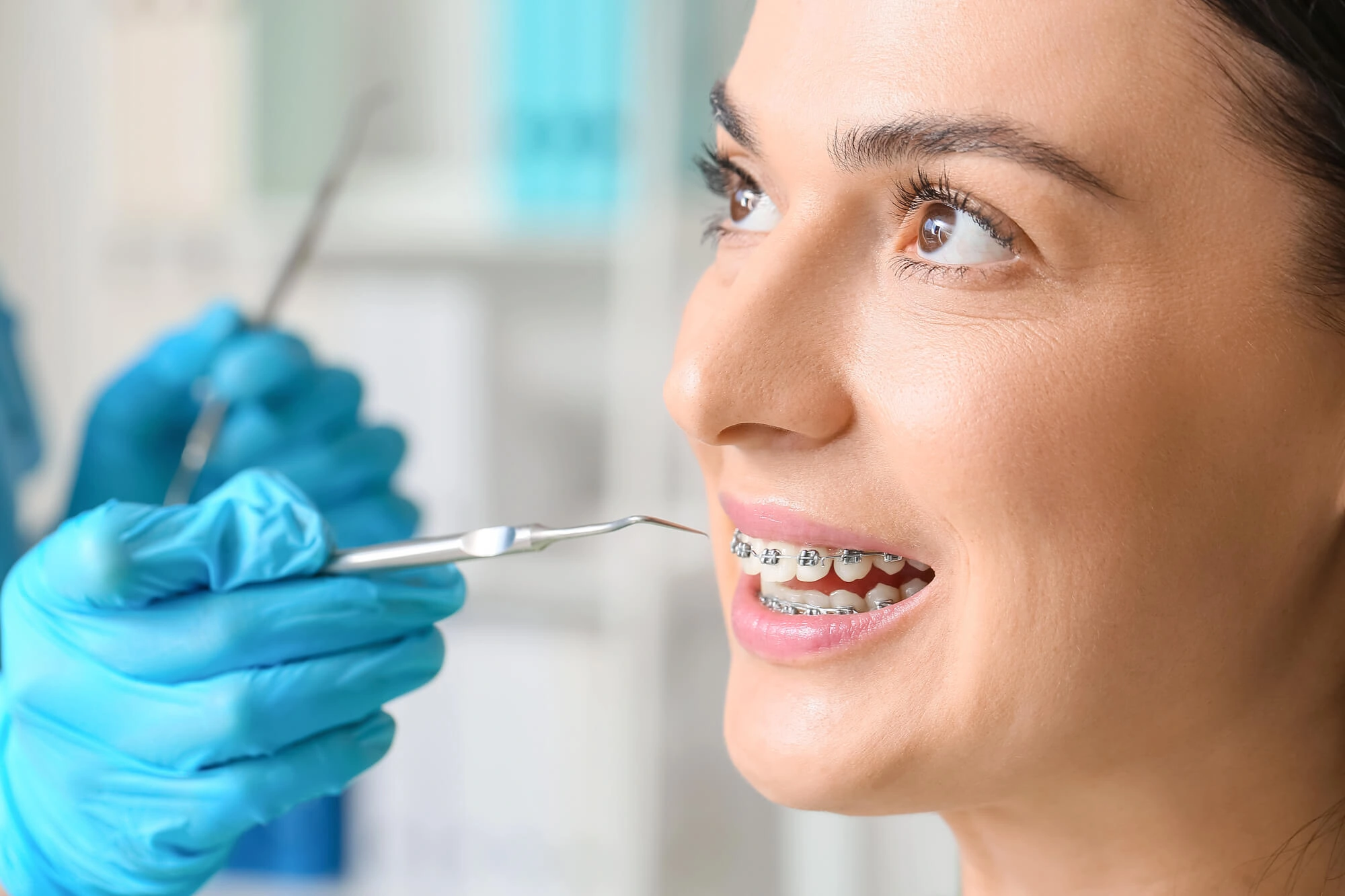
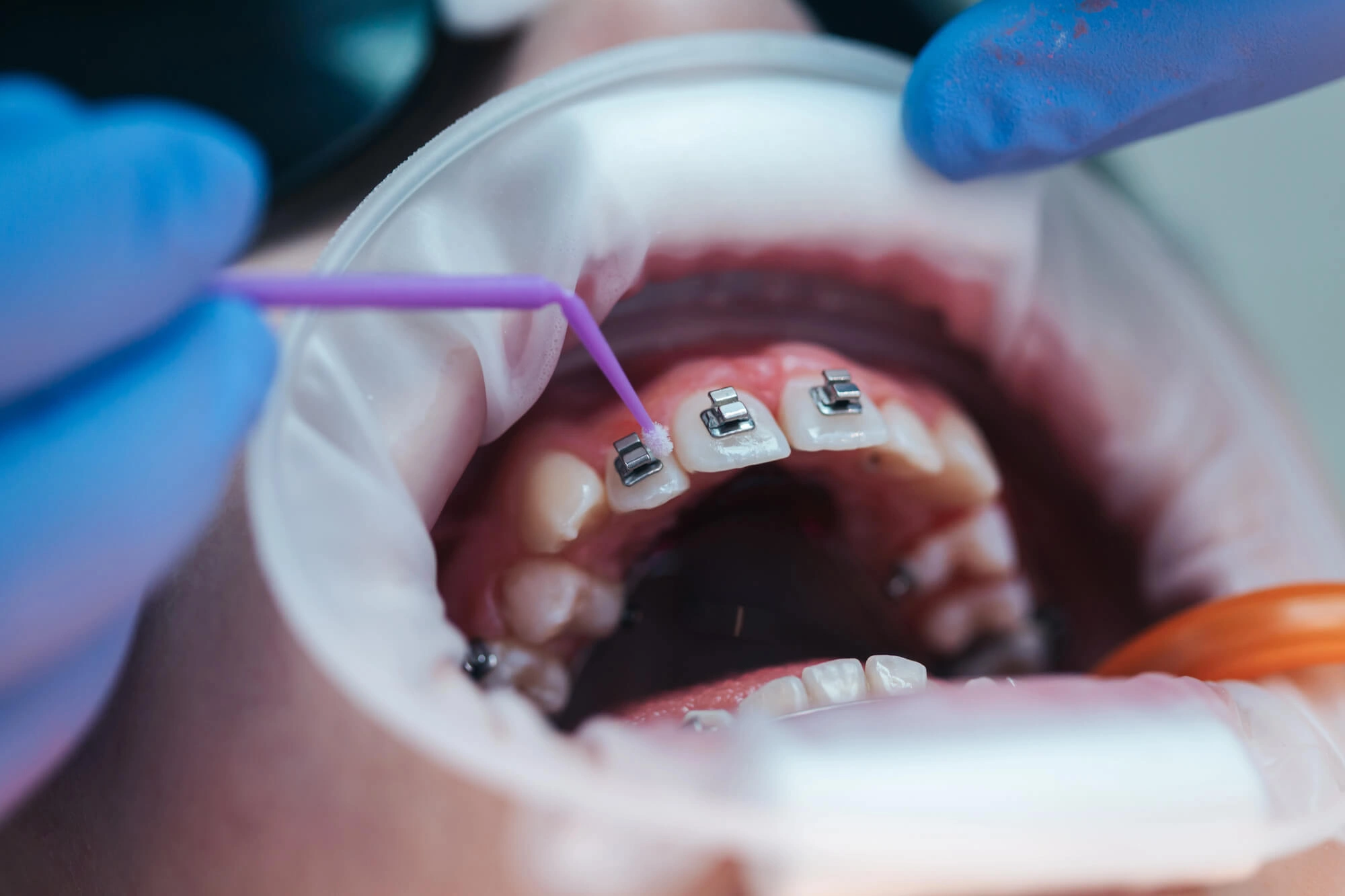
Braces may cause temporary discomfort, especially after they are first placed or adjusted, but they should not cause severe pain. Many patients considering Braces in Hollywood are concerned about discomfort, yet most find that any soreness is manageable and short-lived. Understanding what to expect can help you feel more confident and prepared before beginning orthodontic treatment.
Do Braces Actually Hurt?
One of the most common questions orthodontic patients ask is whether braces hurt. The simple answer is that braces can cause some discomfort, but the sensation is usually mild and temporary.
Braces work by applying gentle, consistent pressure to gradually move teeth into their proper positions. Because the teeth and surrounding tissues are adjusting to this pressure, it is normal to experience soreness at certain stages of treatment.
Most patients describe the feeling as pressure, tenderness, or mild aching rather than sharp pain. The discomfort typically decreases within a few days as the mouth adapts to the changes.
Understanding that these sensations are part of the alignment process can help patients feel more comfortable throughout treatment.
What to Expect When Braces Are First Placed
The first few days after receiving braces are usually when patients notice the most discomfort.
Initial Pressure and Soreness
When braces are first placed, the brackets and wires begin applying pressure to the teeth. Although you may not feel significant discomfort immediately, soreness often develops within several hours.
Common sensations include:
Mild aching in the teeth
Pressure when biting or chewing
Tenderness around the gums
Increased tooth sensitivity
These symptoms are temporary and typically improve within a few days.
Adjusting to Brackets and Wires
In addition to tooth soreness, patients often need time to adjust to the physical presence of braces inside the mouth.
Brackets may initially rub against the cheeks, lips, or tongue. This irritation is normal and usually improves as the soft tissues become accustomed to the braces. Orthodontic wax can often help reduce friction and improve comfort during this adjustment period.
Most patients adapt surprisingly quickly and find that speaking and eating become easier after the first week.
Do Braces Hurt After Adjustment Appointments?
Orthodontic treatment requires periodic adjustment appointments to keep teeth moving according to plan.
Why Adjustments Cause Temporary Discomfort
During adjustment visits, the orthodontist may tighten wires, replace elastic bands, or make other modifications. These changes reactivate the pressure needed to continue tooth movement.
As a result, patients often experience mild soreness for a day or two after appointments. This discomfort is generally similar to what was felt when braces were first placed, although it is often less intense because the mouth has already adapted to treatment.
The soreness is usually a sign that the braces are working as intended.
How Long Does the Discomfort Last?
For most patients, discomfort following adjustments lasts between one and three days. Some individuals experience only mild pressure, while others notice temporary tenderness when chewing.
The duration and intensity can vary based on:
Individual pain tolerance
Complexity of tooth movement
Type of adjustment performed
Stage of treatment
Fortunately, these sensations typically fade quickly as the teeth adjust to their new positions.
Tips for Managing Braces Discomfort
Although braces-related soreness is usually manageable, there are several ways to stay comfortable throughout treatment.
Choose Soft Foods
Eating softer foods during periods of soreness can reduce pressure on the teeth and make meals more enjoyable.
Good options include:
Yogurt
Mashed potatoes
Smoothies
Soup
Scrambled eggs
These foods allow patients to maintain proper nutrition while minimizing discomfort.
Use Orthodontic Wax
Orthodontic wax can be placed over brackets that are irritating the cheeks or lips. This creates a protective barrier that reduces friction and helps prevent sores from developing.
Many patients find wax especially helpful during the first few weeks of treatment.
Keeping teeth and gums clean is important throughout orthodontic treatment. Healthy gums are generally less prone to irritation and inflammation, making treatment more comfortable overall.
Brushing carefully around brackets and flossing regularly can help prevent oral health issues that may contribute to discomfort.
Are Braces More Comfortable Today?
Modern braces have come a long way from older orthodontic systems. Advances in materials and technology have improved both comfort and efficiency.
Today's braces are designed to apply gentler forces while still achieving effective tooth movement. Smaller brackets and improved wire technology often make treatment more comfortable than many people expect.
While some soreness remains a normal part of orthodontic treatment, modern techniques have helped reduce the discomfort associated with braces.
Why Temporary Discomfort Is Worth It
Orthodontic treatment is an investment in long-term oral health and confidence. Although temporary soreness may occur, the benefits often far outweigh the short-term inconvenience.
Straight teeth are easier to clean and maintain, which can reduce the risk of cavities and gum disease. Proper alignment also helps improve bite function and can reduce excessive wear on certain teeth.
Many patients report increased confidence after treatment because they feel more comfortable smiling, speaking, and interacting with others.
The temporary adjustments required during treatment ultimately lead to lasting improvements in both appearance and oral health.
What If Braces Cause Severe Pain?
While mild discomfort is normal, severe or persistent pain is not typical. Patients who experience significant discomfort, broken brackets, poking wires, or unusual symptoms should contact their orthodontic provider.
Prompt attention can help address problems quickly and ensure treatment continues as planned. Most orthodontic concerns can be resolved with simple adjustments or repairs.
Open communication with your dental team helps create a smoother and more comfortable treatment experience.
Frequently Asked Questions
How long do braces hurt after they are first placed?
Most patients experience mild soreness for three to five days after receiving braces. The discomfort gradually improves as the mouth adjusts to treatment.
Do braces hurt every day?
No. Most patients only experience temporary soreness after initial placement or adjustment appointments. Daily discomfort is generally minimal once the mouth adapts.
Are braces more painful for adults than teenagers?
Not necessarily. Adults and teenagers generally experience similar levels of discomfort, although individual experiences can vary.
Is soreness a sign that braces are working?
Yes. Mild pressure and tenderness often indicate that the teeth are responding to orthodontic forces and gradually moving into proper alignment.
Schedule Your Appointment for Braces in Hollywood Today
While braces may cause temporary discomfort, the process is usually much easier than many patients expect. Understanding what happens during treatment can help reduce anxiety and make the experience more manageable. The short-term soreness associated with braces is a normal part of achieving a healthier, straighter smile.
If you are considering orthodontic treatment, schedule a consultation with TLC Dental. Their experienced team can answer your questions, explain your options, and help you begin your journey toward improved oral health and a more confident smile.