Dental implants are designed to provide a durable, long-term solution for missing teeth. For patients considering dental implants in Hollywood, understanding how long implants can last and what affects their lifespan can help them make informed decisions about their oral health. With proper care, regular dental visits, and healthy habits, dental implants can potentially last for decades or even a lifetime.
How Long Do Dental Implants Last?
Dental implants can last for decades when they are properly placed and maintained. In some cases, the implant post itself may last a lifetime. However, a dental implant consists of several components, and each component can have a different lifespan.
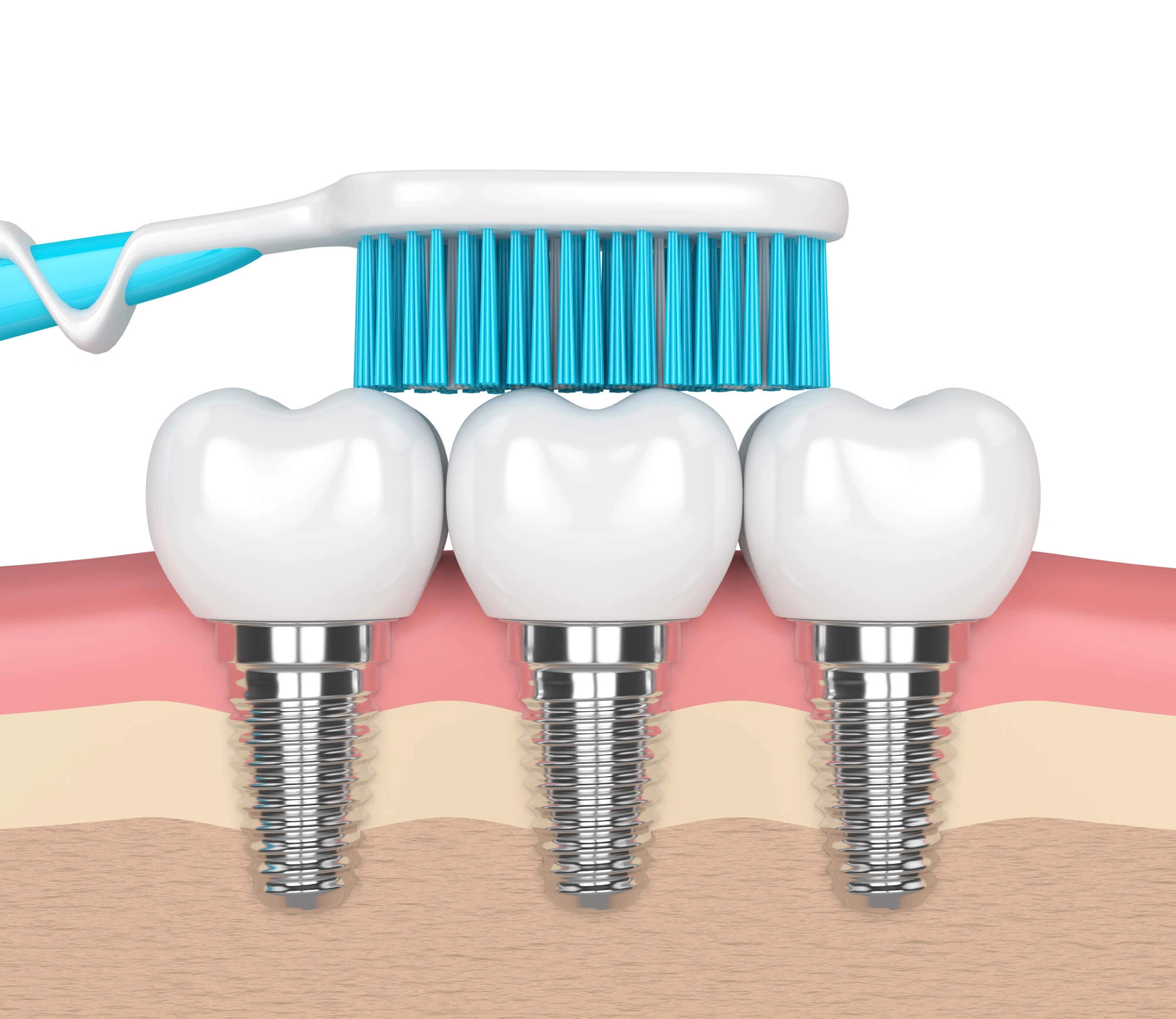
The implant post is typically made from titanium or another biocompatible material and is surgically placed into the jawbone. Once healing occurs, the implant can become securely integrated with the surrounding bone. This provides a stable foundation for the replacement tooth.
The crown attached to the implant may not last quite as long. Depending on factors such as oral hygiene, bite pressure, materials, and daily habits, an implant crown may eventually need to be repaired or replaced.
How Long Does an Implant Crown Last?
An implant crown may last around 10 to 15 years or longer with proper care. However, there is no exact expiration date because every patient uses and maintains their restoration differently.
Daily chewing, teeth grinding, poor oral hygiene, and certain habits can contribute to normal wear and tear. If the crown becomes worn or damaged, it may be possible to replace the crown without removing the implant itself.
Why Are Dental Implants So Durable?
One reason dental implants can provide long-term results is their ability to integrate with the jawbone. This process, known as osseointegration, allows the implant to become firmly supported by the surrounding bone.
Unlike removable dentures, which rest on the gums, implants are anchored in the jaw. This stability can help them withstand normal chewing forces while providing support for a replacement tooth.
What Factors Affect How Long Dental Implants Last?
Although dental implants are designed to be durable, several factors can affect their long-term success. Proper care begins before the implant is placed and continues throughout the patient's lifetime.
Oral Hygiene
Good oral hygiene is one of the most important factors in maintaining an implant. Plaque and bacteria can accumulate around the gumline and affect the tissues surrounding the implant.
Patients should brush twice a day and clean between their teeth daily. Keeping the gums healthy can help protect the foundation supporting the implant.
Gum and Bone Health
Healthy gums and adequate jawbone support are important for implant stability. Patients who have experienced significant bone loss may require additional treatment before receiving dental implants.
After treatment, maintaining healthy gums remains important. Problems affecting the tissues around an implant can potentially compromise its long-term stability if they are not addressed.
Regular Dental Checkups
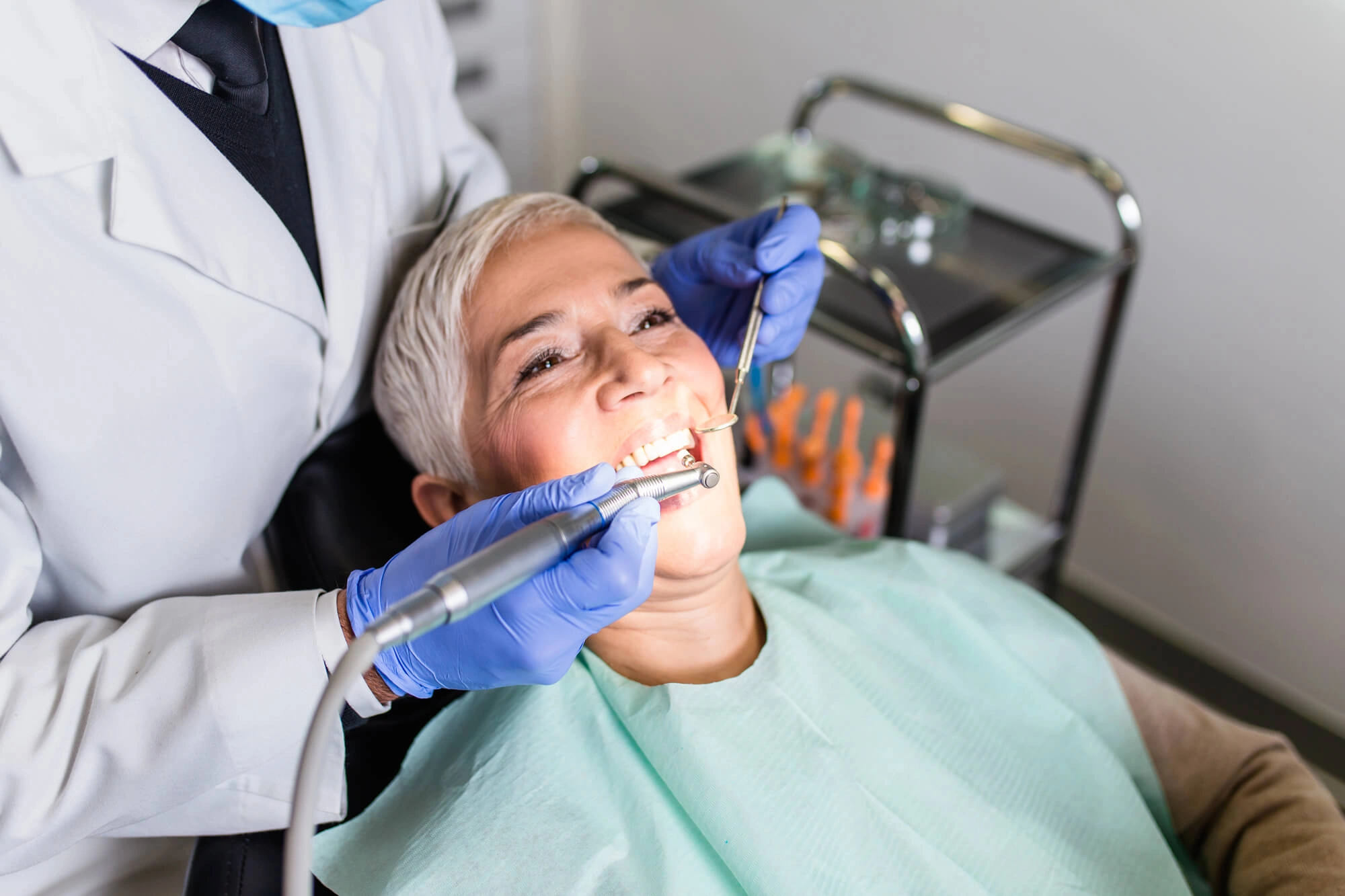
Dental implants still require professional care even after they have fully healed. Regular checkups allow a dentist to examine the implant, crown, gums, and surrounding structures.
Routine appointments can also help identify potential problems early. Addressing issues before they become more serious may help protect the implant and its restoration.
Lifestyle Habits
Certain habits can place excessive pressure on an implant or its crown. Smoking can negatively affect oral health and healing, while chewing on hard objects can damage the restoration.
Patients should also avoid using their teeth to open packages or regularly biting down on extremely hard foods or objects.
How Can You Make Dental Implants Last Longer?
Caring for dental implants is similar to caring for natural teeth. Although an implant crown cannot develop cavities like a natural tooth, the surrounding gums and bone still need consistent care.
Maintain a Daily Cleaning Routine
A good oral hygiene routine can help reduce plaque buildup and keep the tissues around the implant healthy.
Helpful habits include:
Brush your teeth twice a day.
Clean between your teeth every day.
Use a soft-bristled toothbrush unless your dentist recommends another option.
Follow your dentist's personalized care instructions.
Consistent home care is one of the simplest ways to support the longevity of your dental implant.
Protect Your Teeth From Excessive Pressure
Dental implants are strong, but they are not indestructible. Habits such as chewing ice, biting fingernails, or opening packages with your teeth can damage the crown.
Teeth grinding and clenching can also place excessive pressure on dental restorations. If you grind your teeth, speak with your dentist about whether a custom nightguard may be appropriate.
Follow Post-Treatment Instructions
After implant placement, following your dentist's instructions is especially important. Proper care during the healing period can support successful integration between the implant and jawbone.
Once healing is complete, continue following your dental team's recommendations for cleaning, checkups, and maintenance.
Dental implants have a high potential for long-term success, but complications can sometimes occur. Implant failure may be associated with problems such as poor healing, inadequate bone support, infection, excessive pressure, or poor oral hygiene.
Recognizing potential warning signs can help patients seek treatment sooner.
What Are the Signs of an Implant Problem?
Contact your dentist if you experience unusual symptoms around an implant, such as:
Persistent pain or discomfort
Swelling around the implant
Bleeding or irritated gums
Difficulty chewing
A loose crown or implant
Changes in your bite
Damage or cracking of the crown
A loose crown does not automatically mean that the implant has failed. The crown, abutment, and implant are separate components, so a dentist will need to determine exactly where the problem is occurring.
Are Dental Implants a Good Long-Term Investment?
For many patients, dental implants can be a long-term solution for replacing missing teeth. Their stability can make eating and speaking more comfortable while helping restore the appearance of the smile.
Compared with removable dentures, implants are anchored into the jaw and do not need to be removed for daily use. They can also help provide stimulation to the jawbone, which may help limit bone loss following tooth loss.
However, dental implants are not automatically the right choice for everyone. A dentist must evaluate factors such as bone density, gum health, overall oral health, and the location of the missing tooth before recommending treatment.
How Can You Maximize Your Implant's Lifespan?
The best way to protect a dental implant is to treat it as a long-term investment in your oral health. Maintain good hygiene, attend regular dental appointments, avoid damaging habits, and address problems as soon as they appear.
With consistent care, an implant can remain functional for many years. Although the crown may eventually require replacement, maintaining the underlying implant and surrounding tissues can help preserve the overall restoration.
Frequently Asked Questions
1. Can dental implants last a lifetime?
Yes. With proper placement and consistent care, the implant post can potentially last a lifetime, although the crown may eventually need replacement.
2. How often do dental implants need to be replaced?
The implant itself may not need replacement for many years or potentially for life. The crown may need replacement after approximately 10 to 15 years or longer.
3. Can poor oral hygiene shorten an implant's lifespan?
Yes. Poor oral hygiene can allow plaque and bacteria to accumulate around the implant, potentially affecting the surrounding gums and bone.
4. Can I eat normally with dental implants?
After the implant has fully healed, most patients can eat normally. Your dentist will provide specific instructions during the healing period.
5. Do dental implants require special maintenance?
Dental implants require regular brushing, cleaning between the teeth, professional dental visits, and any additional care recommended by your dentist.
Schedule Your Appointment for Dental Implants in Hollywood
Dental implants can offer a durable solution for missing teeth, with the implant post potentially lasting for decades or even a lifetime. However, long-term success depends on proper placement, healthy gums and bone, good oral hygiene, regular dental care, and protecting the restoration from unnecessary pressure.
If you are considering dental implants or want to learn whether they are appropriate for your needs, schedule a consultation with TLC Dental. A dental professional can evaluate your oral health, discuss your treatment options, and help you create a personalized plan for a healthy, confident smile.