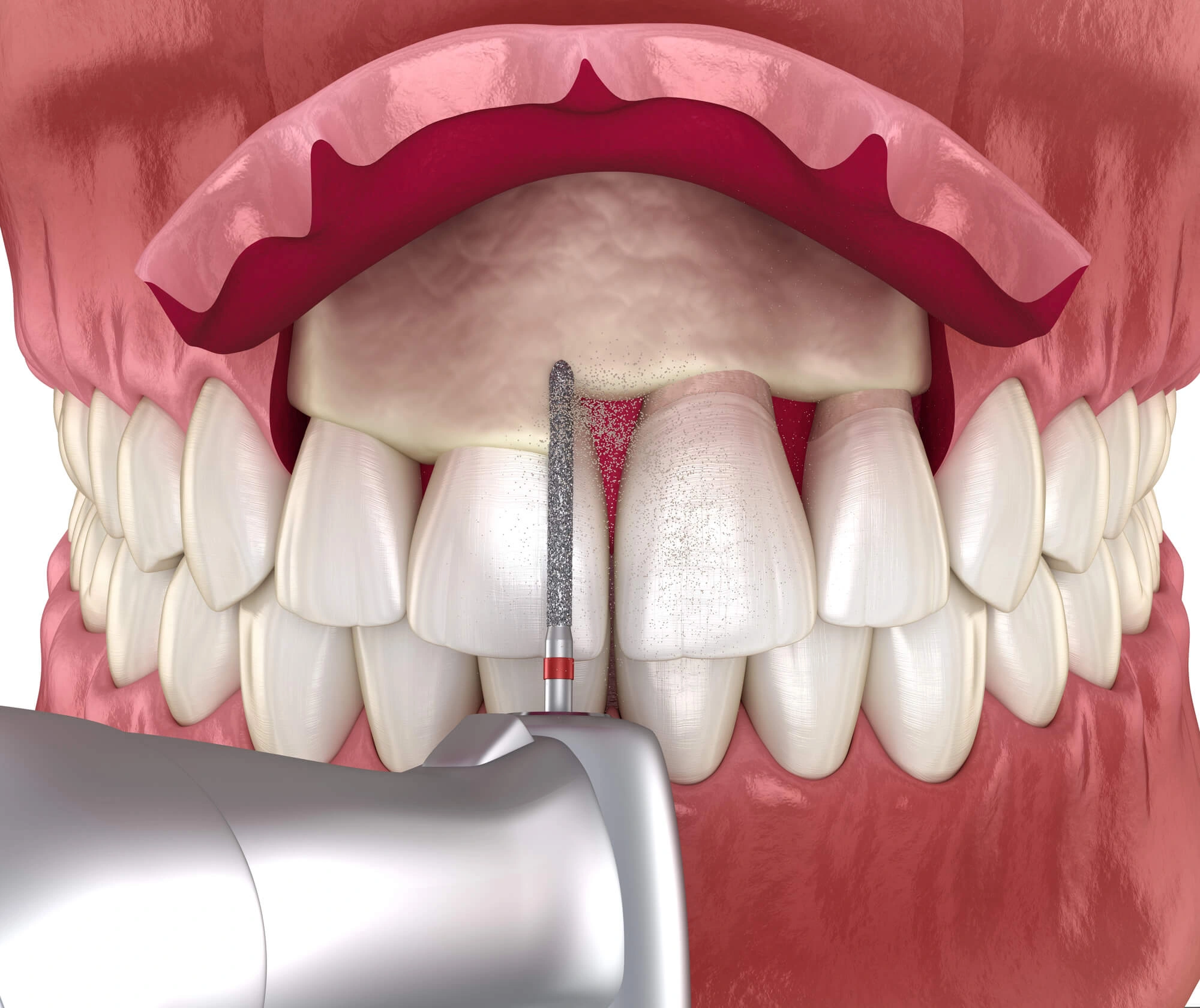
Gum disease can be reversed or controlled when treated early by a Dentist in Tamarac through deep cleaning, ongoing maintenance, and personalized periodontal care. Gum disease is one of the most common oral health issues among adults, yet it often goes unnoticed until it becomes more advanced. Visiting a Dentist regularly plays a crucial role in detecting and treating periodontal disease before it leads to tooth loss or serious gum damage. Healthy gums are the foundation of a healthy smile, and effective treatment focuses on stopping infection, restoring gum health, and preventing recurrence.
Understanding how dentists treat gum disease helps patients take action early and avoid long-term complications.
Understanding Gum Disease and Why Treatment Matters
Gum disease, also known as periodontal disease, is an infection caused by bacteria in plaque that builds up along the gumline. When plaque is not removed properly through daily oral care and professional cleanings, it hardens into tartar and triggers inflammation in the gums.
There are two main stages of gum disease:
Gingivitis (early, reversible stage)
Periodontitis (advanced, progressive stage)
Gingivitis affects only the gums and can often be reversed with proper care. Periodontitis, however, affects the deeper structures that support teeth, including bone, and requires more advanced treatment.
Early Warning Signs Patients Often Miss
One of the biggest challenges with gum disease is that it can develop silently. Many patients do not feel pain in the early stages, which leads them to delay treatment.
Recognizing these symptoms early makes treatment more effective and less invasive.
Why Gum Disease Progresses Without Treatment
Gum disease worsens when bacteria continue to accumulate below the gumline. Over time, the infection creates pockets between teeth and gums, allowing more bacteria to thrive.
Factors that increase risk include:
Poor oral hygiene habits
Smoking or tobacco use
Diabetes and other health conditions
Hormonal changes
Genetic predisposition
Without professional intervention, the condition can lead to irreversible damage.
How a Dentist Diagnoses Gum Disease
A Dentist begins treatment with a detailed examination of the gums, teeth, and supporting bone structure. Early diagnosis is essential for determining the severity of the disease and selecting the appropriate treatment plan.
Comprehensive Gum Evaluation
During an exam, the dentist checks for signs of inflammation, bleeding, and gum recession. Special instruments are used to measure the depth of gum pockets around each tooth.
Deeper pockets often indicate more advanced periodontal disease, requiring more intensive treatment.
Imaging and Diagnostic Tools
Dental X-rays may be taken to assess bone loss and detect hidden infection below the gumline. These images help the dentist understand how far the disease has progressed and whether deeper structures are affected.
Professional Treatments for Gum Disease
Once gum disease is diagnosed, treatment focuses on removing bacteria, reducing inflammation, and restoring gum health. The approach depends on the severity of the condition.
Deep Cleaning Procedures: Scaling and Root Planing
One of the most common treatments for gum disease is scaling and root planing, also known as deep cleaning.
Scaling involves removing plaque and tartar from above and below the gumline. Root planing smooths the tooth roots to help the gums reattach and prevent bacteria from accumulating again.
This treatment helps:
Reduce gum inflammation
Eliminate bacterial buildup
Shrink gum pockets
Promote healing of gum tissue
For many patients, this procedure is the first step in controlling periodontal disease.
Ongoing Periodontal Maintenance
After initial treatment, ongoing care is essential to prevent gum disease from returning. A Dentist in Tamarac typically recommends more frequent cleanings to maintain gum health.
Maintenance care may include:
Regular deep cleanings every few months
Monitoring of gum pocket depth
Evaluation of gum healing progress
Reinforcement of oral hygiene techniques
This long-term approach ensures that bacteria do not build up again and cause reinfection.
Advanced Gum Disease Treatment Options
In more severe cases, additional treatments may be needed to restore gum and bone health.
Antibiotic Therapy
Sometimes antibiotics are used alongside deep cleaning to control bacterial infection. These may be applied directly into gum pockets or prescribed orally, depending on the severity of the condition.
Antibiotics help reduce bacteria and support healing after cleaning procedures.
Surgical Treatment Options
For advanced periodontitis, surgical procedures may be necessary to clean deeper areas or restore lost bone and tissue.
These options are typically recommended when non-surgical treatments are not enough to control the disease.
How Patients Can Support Treatment at Home
Professional care is essential, but daily habits play a major role in treatment success. Patients who follow proper oral hygiene routines tend to recover faster and maintain healthier gums long-term.
Daily Oral Care Habits
Good oral hygiene helps reduce bacteria and prevent further infection.
Important habits include:
Brushing twice daily with fluoride toothpaste
Flossing every day to remove plaque between teeth
Using antibacterial mouthwash if recommended
Avoiding smoking or tobacco products
Maintaining a balanced diet
Consistency is key to preventing recurrence.
Lifestyle Changes That Improve Gum Health
Certain lifestyle choices can also support gum healing and reduce disease risk.
Healthy habits improve the body’s ability to fight infection and recover.
What Happens If Gum Disease Is Not Treated?
Without treatment, gum disease can progress into more serious stages that damage both gums and bone structure.
Possible consequences include:
Severe gum recession
Loose teeth
Bone loss in the jaw
Tooth loss
Chronic infection
Beyond oral health, untreated gum disease has also been linked to systemic conditions such as heart disease and diabetes complications.
The Importance of Early Intervention
The earlier gum disease is treated, the better the outcome. In many cases, gingivitis can be completely reversed with professional cleaning and improved home care. Even early periodontitis can be controlled effectively with consistent treatment.
Delaying care allows bacteria to spread deeper, making treatment more complex and recovery longer.
Schedule Your Appointment with the Dentist in Tamarac
Seeking care from a Dentist is the most effective way to treat gum disease and protect long-term oral health. Professional diagnosis, deep cleaning, and ongoing maintenance can stop infection, restore gum health, and prevent serious complications. TLC Dental provides comprehensive periodontal care designed to treat gum disease effectively while supporting healthier gums and a stronger smile for years to come. Book your consultation now.