A tax refund can be a valuable opportunity to invest in your oral health and confidence. Whether you have been delaying treatment, considering cosmetic improvements, or exploring braces in Coral Springs, using your refund toward dental care and planning for braces can provide long-term benefits that extend far beyond a temporary purchase.
Why Investing in Your Smile Is a Smart Financial Decision
Many people view a tax refund as extra spending money, often using it for vacations, electronics, or other short-term purchases. While there is nothing wrong with enjoying a refund, investing part of it in your dental health can provide lasting value for years to come.
Your oral health affects much more than your smile. Healthy teeth and gums contribute to proper chewing, speech, comfort, and overall well-being. Addressing dental concerns early can also help prevent more costly treatments in the future.
By putting your tax refund toward preventive, restorative, or orthodontic care, you are making an investment in both your appearance and your long-term health.
Why Orthodontic Treatment Is Worth Considering
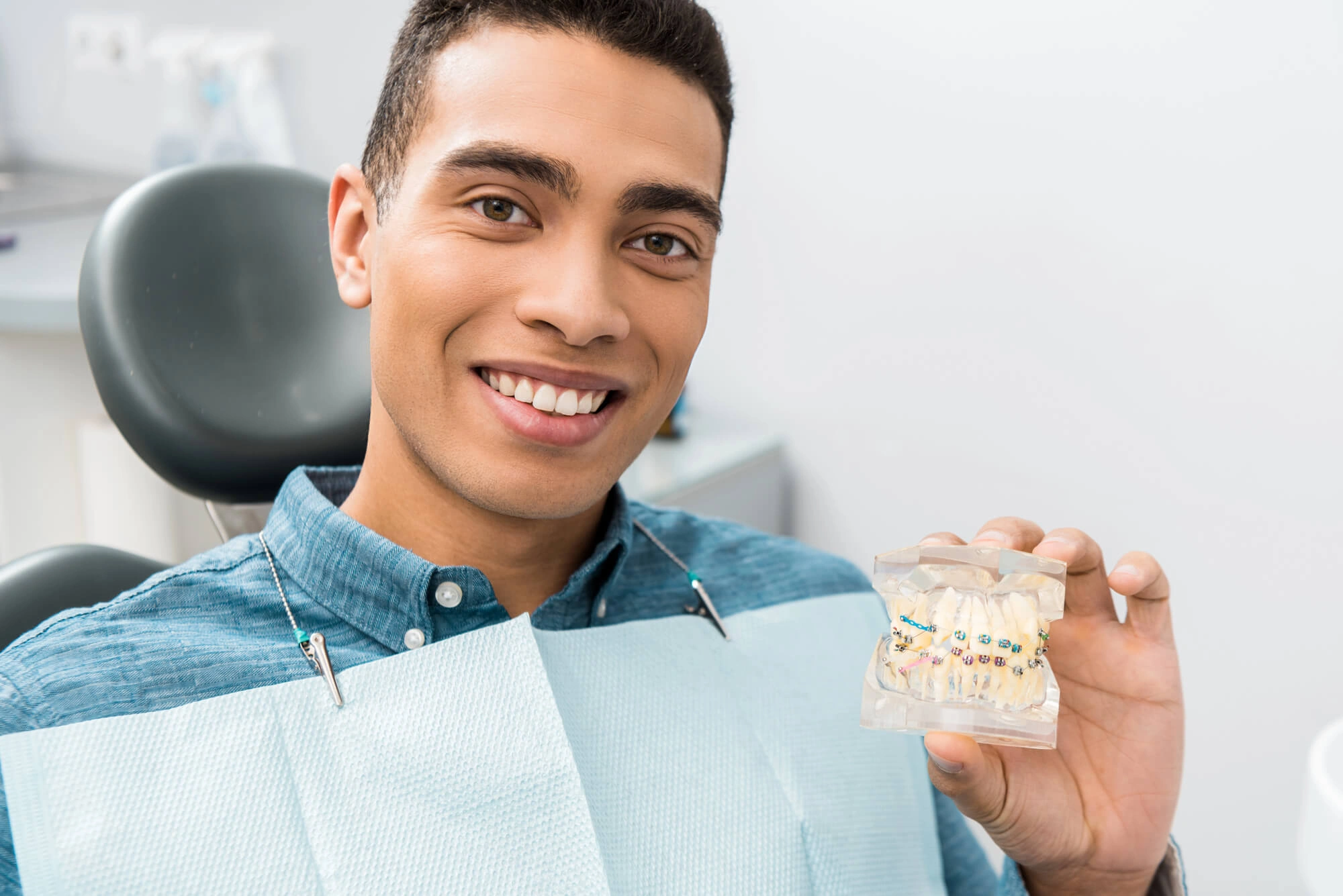
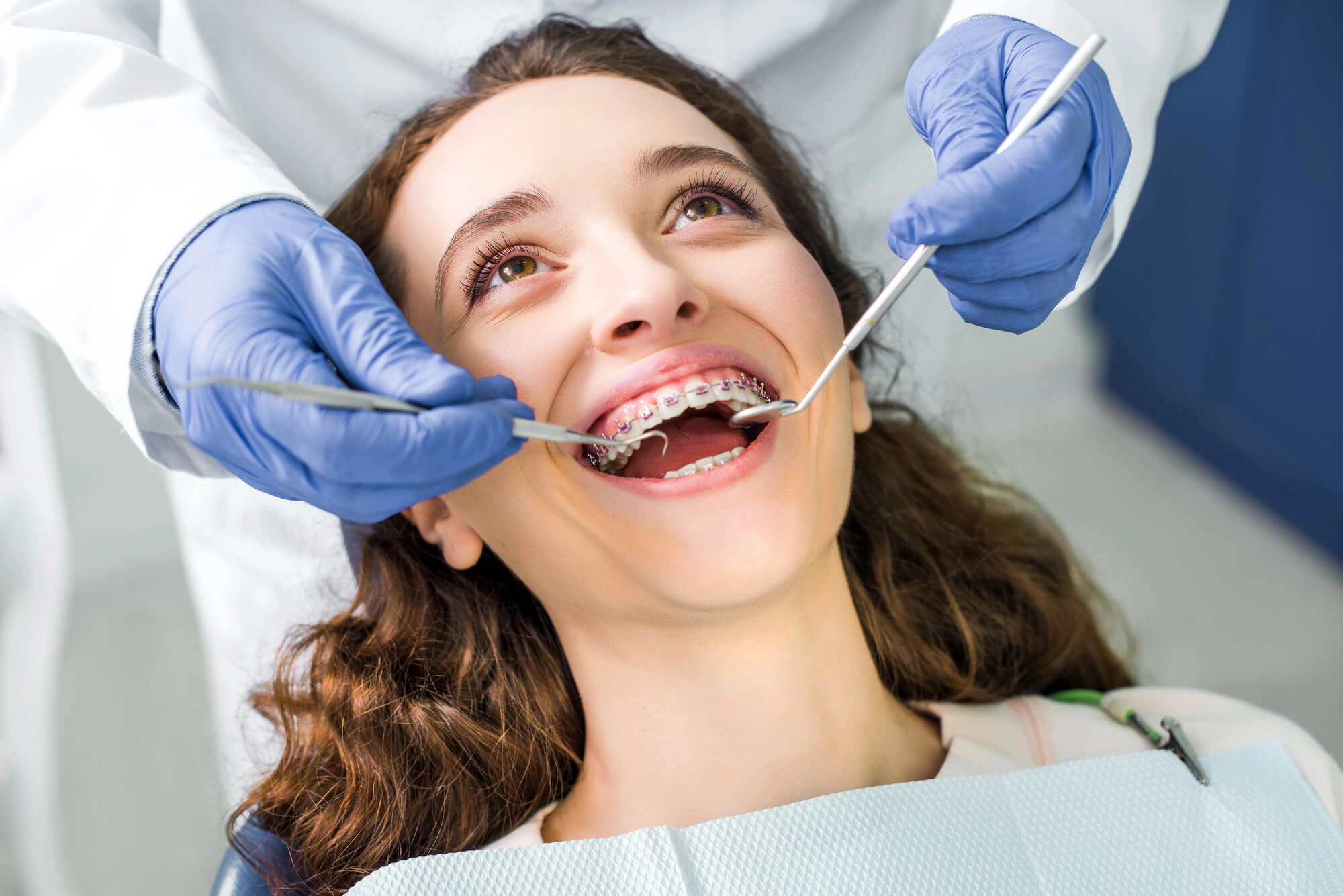
Orthodontic treatment is one of the most impactful ways to improve both dental function and smile aesthetics. Many adults and teenagers postpone treatment because of financial concerns, making tax season an ideal time to begin the process.
How Braces Improve More Than Appearance
While straighter teeth certainly enhance appearance, braces offer benefits that extend beyond cosmetics. Properly aligned teeth are easier to clean and maintain, reducing the risk of cavities and gum disease.
Orthodontic treatment may also help:
Improve bite alignment
Reduce uneven tooth wear
Enhance chewing efficiency
Minimize jaw discomfort
Improve overall oral hygiene
These functional improvements can contribute to better oral health for years after treatment is completed.
Why Tax Refund Season Is a Good Time to Start
Many patients use their refund as an initial investment toward orthodontic treatment. Starting treatment sooner allows patients to begin progressing toward their smile goals rather than postponing care indefinitely.
Using a refund for dental care can also reduce out-of-pocket expenses and make treatment planning more manageable.
Other Smart Dental Investments to Consider
While orthodontic treatment is a popular choice, there are many other ways to use a tax refund to improve oral health.
Preventive Dental Care
Preventive care is one of the most effective investments a patient can make. Regular dental visits help identify problems early and reduce the likelihood of needing extensive treatment later.
These services help maintain healthy teeth and gums while supporting long-term oral wellness.
Restorative Dental Treatments
Patients who have delayed treatment due to budget concerns may benefit from using a tax refund to address existing dental problems.
Common restorative treatments include fillings, crowns,root canals, and tooth replacement options. Addressing these issues promptly can help preserve natural teeth and prevent further complications.
Cosmetic Smile Enhancements
For patients interested in improving appearance, cosmetic dental treatments may also be a worthwhile investment. Procedures such as teeth whitening and cosmetic restorations can help create a brighter, more confident smile.
Many patients find that cosmetic improvements positively impact both personal and professional interactions.
The Long-Term Benefits of Investing in Dental Health
Unlike many purchases that lose value over time, dental care often provides benefits that continue for years.
A healthy smile can contribute to:
Greater confidence
Improved oral function
Better overall health
Reduced risk of future dental complications
Lower long-term treatment costs
Taking care of dental concerns early can prevent minor issues from becoming major problems. This proactive approach often saves both time and money in the future.
How to Prioritize Your Dental Needs
If you are unsure how to use your tax refund most effectively, a dental consultation can help identify your greatest needs and goals.
Some patients may benefit most from preventive care, while others may need restorative treatment or orthodontic correction. A personalized evaluation can help determine which treatments will provide the greatest long-term value.
Factors to consider include your oral health status, treatment priorities, cosmetic goals, and budget. By developing a plan with your dental team, you can maximize the impact of your investment.
Why Delaying Treatment Can Cost More Later
One of the biggest mistakes patients make is postponing recommended dental treatment. Small cavities can become larger, minor alignment problems can worsen, and untreated gum disease can lead to significant complications.
Addressing issues now may help prevent:
More extensive procedures
Increased treatment costs
Additional discomfort
Tooth loss
Longer recovery periods
Using a tax refund to begin treatment can help patients avoid these future challenges while improving their oral health immediately.
Frequently Asked Questions
Can I use my tax refund to start braces treatment?
Yes. Many patients use their tax refund as an initial payment toward orthodontic treatment, making it easier to begin improving their smile sooner.
Are braces only for teenagers?
No. Orthodontic treatment is suitable for both teens and adults. Many adults choose braces to improve alignment, oral health, and confidence.
How long does braces treatment usually take?
Treatment length varies depending on the complexity of the case, but most patients wear braces for approximately 12 to 24 months.
What other dental treatments can I invest in with my tax refund?
Many patients use their refund for professional cleanings, crowns, fillings, root canals, dental implants, teeth whitening, and other restorative procedures.
Is it better to address dental problems now rather than later?
Yes. Early treatment can prevent small issues from becoming more serious, helping patients avoid more complex procedures and higher treatment costs later.
Schedule Your Appointment for Braces in Coral Springs Today
Your tax refund represents an opportunity to make meaningful investments in yourself, and your smile is one of the best places to start. Whether you need preventive care, restorative treatment, or orthodontic correction, taking action today can provide benefits that last for years.
Schedule a consultation with TLC Dental to explore your treatment options and create a personalized plan for achieving your oral health goals. Their experienced team can help you make the most of your investment and take the next step toward a healthier, more confident smile.