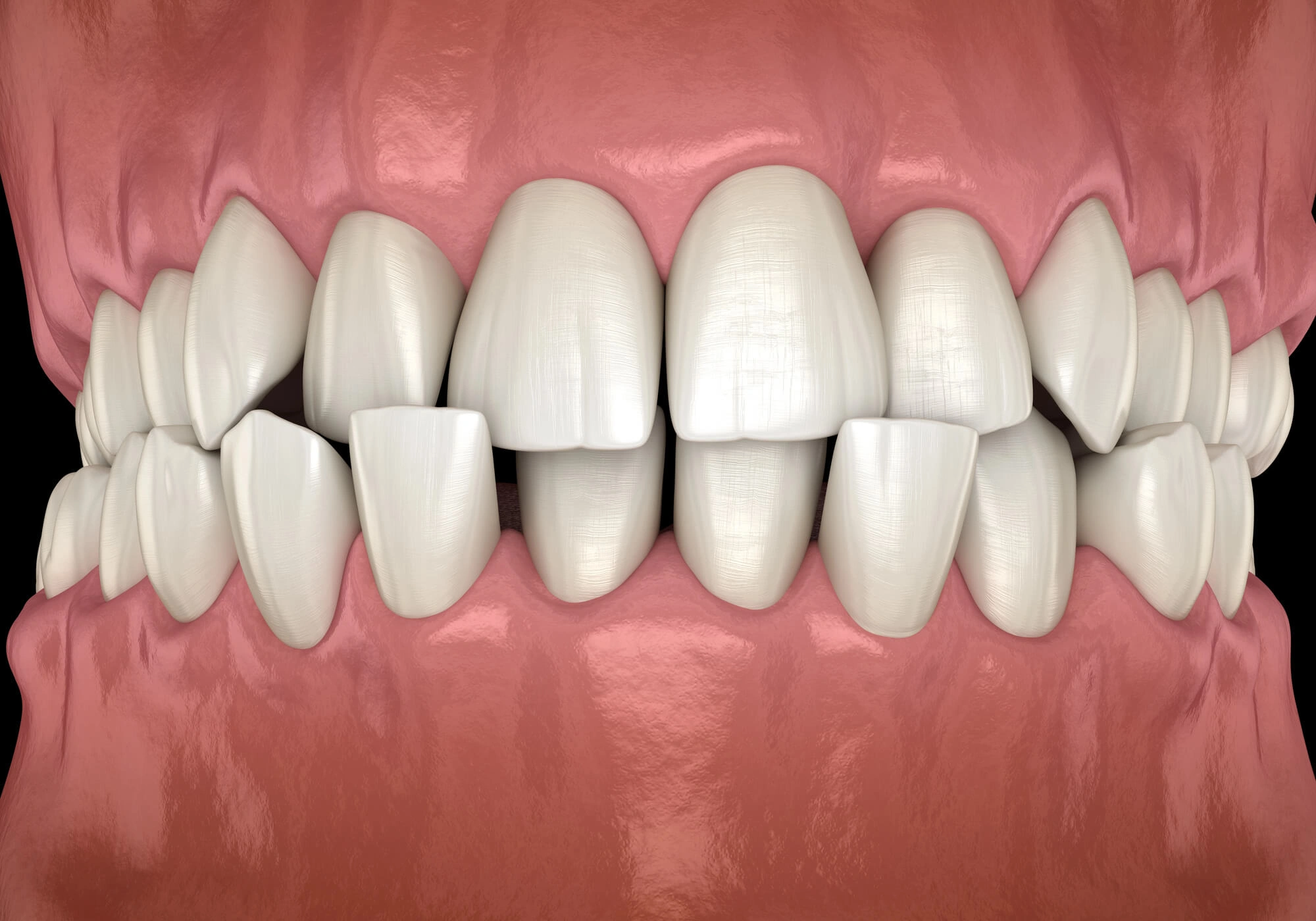
A healthy smile is about more than straight teeth—it also depends on proper bite alignment and jaw function. Many orthodontic problems can be successfully treated with orthodontic treatment services, helping patients improve their oral health, comfort, and confidence. Whether you're experiencing crowded teeth, bite issues, or spacing concerns, understanding the available treatment options can help you make informed decisions about your dental care.
Understanding Common Orthodontic Problems
Orthodontic problems affect how the teeth and jaws fit together. While some issues are noticeable from an early age, others become more apparent as permanent teeth erupt or as the bite changes over time.
Although many people seek orthodontic care to improve the appearance of their smiles, treatment also provides important health benefits. Misaligned teeth can be more difficult to clean, increasing the risk of cavities and gum disease. Bite problems may also contribute to jaw discomfort, uneven tooth wear, and difficulty chewing or speaking.
Fortunately, advances in orthodontics allow many of these conditions to be corrected with personalized treatment plans.
What Causes Orthodontic Problems?
Several factors can contribute to orthodontic concerns. Some people inherit jaw size or tooth alignment from their parents, while others develop problems due to habits or injuries.
Common causes include:
Genetics
Early or late loss of baby teeth
Thumb-sucking beyond early childhood
Prolonged pacifier use
Mouth breathing
Dental trauma
Missing teeth
Jaw growth differences
During an orthodontic evaluation, the dentist carefully examines your teeth, bite, and jaw development to determine the cause of the problem and recommend appropriate treatment.
Why Early Detection Is Important
Orthodontic problems often become easier to treat when identified early. Routine dental visits allow providers to monitor how children's teeth and jaws are developing and recognize concerns before they become more severe.
However, orthodontic treatment is not just for children and teenagers. Adults can also benefit from correcting alignment issues that affect their oral health or quality of life.
Crowded Teeth
Crowded teeth occur when there isn't enough space in the jaw for all the teeth to fit properly. As teeth compete for space, they may overlap, rotate, or become crooked.
Crowding is one of the most common orthodontic concerns and can make brushing and flossing more challenging.
How Crowded Teeth Are Treated
Treatment depends on the amount of crowding present.
Some people naturally have spaces between their teeth. While small gaps may not cause functional problems, larger spaces can affect bite stability and allow food to become trapped.
Spacing may occur because of genetics, missing teeth, or differences in tooth size.
Treatment Options for Gapped Teeth
Orthodontic treatment gradually moves teeth into healthier positions.
Depending on the patient's needs, treatment may include:
Braces
Clear aligners
Retainers after treatment to maintain results
Closing gaps can improve chewing function while creating a more balanced smile.
Overbite
An overbite occurs when the upper front teeth overlap the lower front teeth excessively.
A mild overbite is common, but severe cases can place extra pressure on certain teeth and contribute to jaw discomfort.
Treatment for Overbites
Orthodontists customize treatment based on the severity of the condition.
Common solutions include:
Braces
Clear aligners
Elastics used with braces
Growth-guiding appliances for younger patients
Correcting an overbite helps distribute biting forces more evenly and protects the teeth from excessive wear.
Underbite
An underbite develops when the lower jaw extends farther forward than the upper jaw, causing the lower teeth to sit in front of the upper teeth.
This condition may interfere with chewing, speech, and facial balance.
How Underbites Are Corrected
Treatment depends on the patient's age and the underlying cause.
Possible options include:
Braces
Clear aligners
Functional appliances
Orthognathic surgery for severe skeletal cases
Early treatment often improves long-term outcomes, particularly for growing children.
Crossbite
A crossbite occurs when one or more upper teeth bite inside the lower teeth instead of outside them.
Crossbites can affect the front teeth, back teeth, or both.
Without treatment, this condition may lead to uneven tooth wear, gum recession, and jaw discomfort.
Common Treatment Options
Treatment may involve:
Braces
Clear aligners
Palatal expanders
Other orthodontic appliances
Correcting a crossbite helps create a healthier bite while reducing unnecessary stress on the teeth and jaw.
Open Bite
An open bite occurs when the upper and lower front teeth do not touch while the mouth is closed.
This condition may result from genetics, prolonged thumb-sucking, tongue thrusting, or jaw growth patterns.
People with an open bite may have difficulty biting into foods or pronouncing certain words clearly.
Treatment for Open Bites
Treatment focuses on correcting tooth alignment while addressing contributing habits when necessary.
Options may include:
Braces
Clear aligners
Habit-correcting appliances
Growth modification in younger patients
Correcting an open bite can improve speech, chewing efficiency, and overall oral function.
What to Expect During Orthodontic Treatment
Every orthodontic journey begins with a comprehensive evaluation.
During your consultation, the dental team will assess your oral health using examinations, digital imaging, photographs, and bite analysis. These findings help determine the most effective treatment plan for your unique needs.
Once treatment begins, regular appointments allow the dentist to monitor tooth movement and make adjustments as needed.
Treatment time varies depending on the complexity of the case. Some patients complete treatment within a year, while others may require two years or longer to achieve optimal results.
Following your treatment plan carefully helps ensure the best possible outcome.
Good oral hygiene plays a major role in successful orthodontic treatment.
Whether you wear braces or clear aligners, keeping your teeth clean helps prevent cavities and gum disease throughout treatment.
Healthy habits include:
Brushing thoroughly after every meal
Flossing daily using orthodontic-friendly tools
Limiting sugary snacks and beverages
Avoiding hard or sticky foods if wearing braces
Attending routine dental cleanings
Keeping all scheduled orthodontic appointments
Wearing retainers as directed after treatment
Consistent home care protects your teeth while allowing treatment to progress smoothly.
Benefits of Correcting Orthodontic Problems
Orthodontic treatment offers lasting benefits that extend well beyond appearance.
Properly aligned teeth are easier to clean, reducing the likelihood of plaque buildup and gum disease. A balanced bite also helps minimize uneven tooth wear and unnecessary stress on the jaw joints.
Patients who complete orthodontic treatment often experience:
Improved oral hygiene
Healthier gums
Better chewing ability
More balanced bite function
Reduced risk of tooth damage
Increased confidence when smiling
Long-term improvements in oral health
These benefits can positively impact both your dental health and overall quality of life.
Who Can Benefit From Orthodontic Treatment?
Orthodontic care is suitable for children, teenagers, and adults.
Children may benefit from early evaluations that identify developing bite problems before they become more serious. Teenagers often begin treatment once most permanent teeth have erupted, while many adults choose orthodontic care to improve oral health or correct alignment issues that were never treated earlier in life.
Regardless of age, a personalized evaluation helps determine whether orthodontic treatment is appropriate and which option best fits your needs and lifestyle.
Orthodontic problems don't have to affect your comfort, confidence, or oral health for years to come. Whether you're dealing with crowded teeth, spacing issues, or bite concerns, timely treatment can create a healthier, more functional smile that lasts a lifetime. The experienced team at TLC Dental provides individualized orthodontic care designed to meet each patient's unique needs and goals. Schedule a consultation today and take the first step toward achieving a straighter, healthier smile.