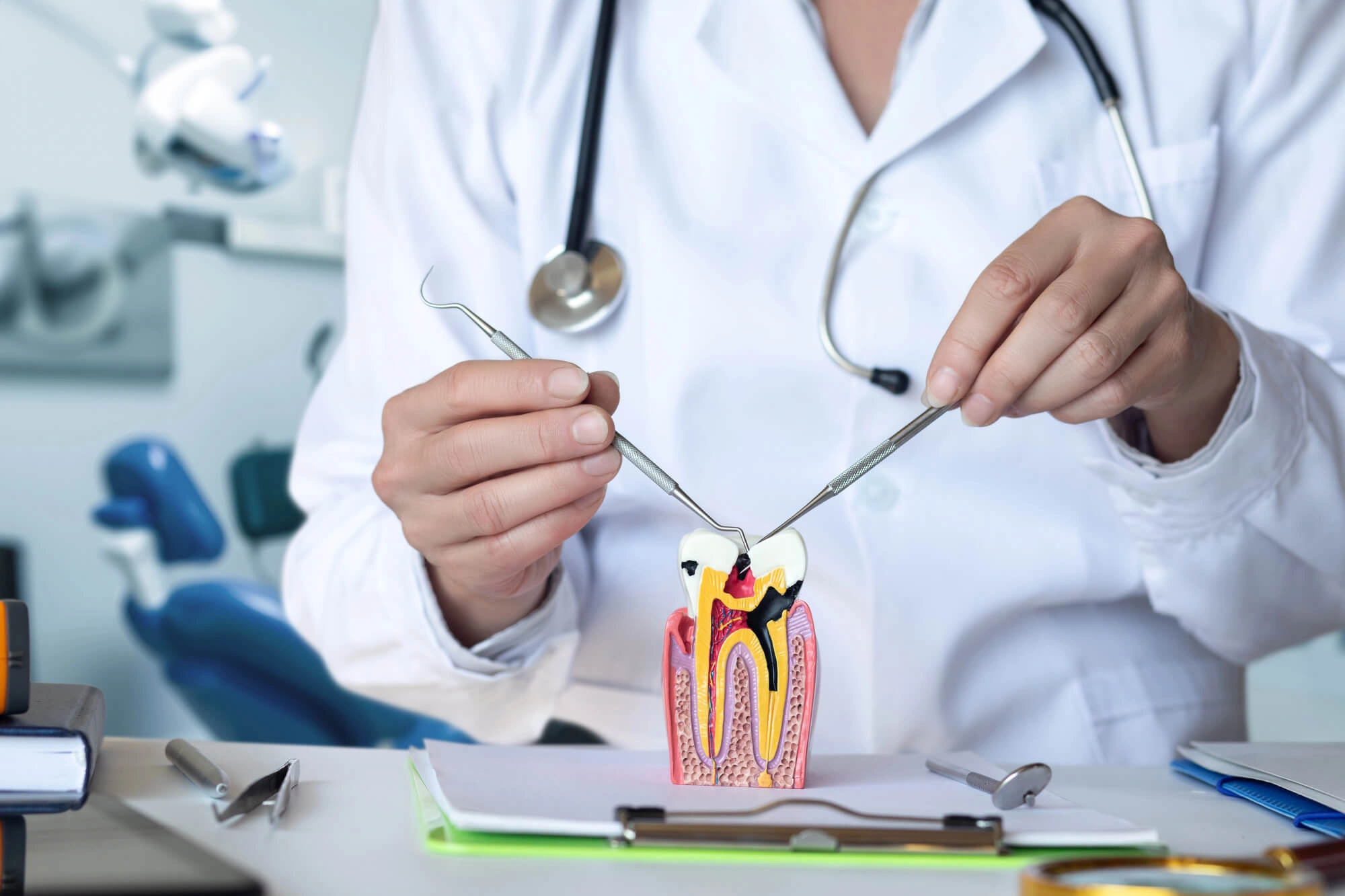
Root canals often have a reputation for being painful, complicated, or something to avoid at all costs. However, modern root canal therapy is designed to relieve pain caused by infection and preserve a natural tooth whenever possible. If you are experiencing persistent tooth pain, top dentists in Fort Lauderdale can evaluate the problem and determine whether root canal treatment may be appropriate.
Why Do Root Canals Have Such a Bad Reputation?
Much of the fear surrounding root canals comes from outdated experiences and misconceptions about the procedure. Patients may associate root canal treatment with severe pain because the tooth requiring treatment is often already inflamed or infected. In reality, the purpose of treatment is to remove the source of the infection and help restore the tooth to comfortable function.
What Is Actually Involved in Root Canal Therapy?
A root canal focuses on treating the inside of a tooth when its pulp becomes infected or severely inflamed. The pulp contains nerves and blood vessels and can become damaged by deep decay, cracks, trauma, or repeated dental procedures. Once the pulp is affected, treatment may be necessary to prevent the infection from progressing.
During treatment, the dentist removes infected or damaged pulp from inside the tooth, cleans and disinfects the space, and seals it to help prevent reinfection. Once the tooth is restored, patients can generally return to normal activities while continuing to care for their teeth.
Common Misconceptions About Root Canal Treatment and Recovery
Myth #1: Root Canals Are Extremely Painful
One of the most common misconceptions is that getting a root canal is one of the most painful dental procedures. Modern dental techniques and local anesthesia are used to help make the procedure comfortable for most patients. In many cases, the pain patients associate with a root canal actually comes from the infection or inflammation that existed before treatment.
After treatment, some tenderness or sensitivity may occur as the surrounding tissues recover. This discomfort is generally manageable and should gradually improve. If pain becomes severe or does not improve, contact your dentist so the treated tooth can be evaluated.
Myth #2: Extraction Is Better Than a Root Canal
Some people believe that removing an infected tooth is always easier or better than saving it. While extraction may sometimes be necessary, preserving a natural tooth is often preferable when the tooth can be successfully treated. A root canal allows the dentist to remove infected tissue while preserving the remaining tooth structure.
Keeping a natural tooth can also help maintain normal chewing and prevent neighboring teeth from shifting into the empty space. If a tooth is extracted, replacement options such as a dental implant or bridge may be necessary depending on the situation. Your dentist can explain the advantages and limitations of each option based on the condition of your tooth.
Myth #3: Root Canals Remove the Entire Tooth
A root canal does not involve removing the entire tooth. Instead, the dentist accesses the inside of the tooth and removes the infected or damaged pulp tissue. The canals are then cleaned, shaped, and sealed before the tooth is restored.
The goal is to preserve as much of the natural tooth as possible. Depending on the amount of remaining tooth structure, a dental crown or another restoration may be recommended to provide additional protection. Proper restoration can help the treated tooth function properly in your normal bite.
Myth #4: You Only Need a Root Canal If Your Tooth Hurts
Tooth pain is a common reason people seek dental care, but pain is not always present when a tooth requires root canal treatment. Some infections may develop with few noticeable symptoms, particularly in their earlier stages. A dentist may discover a problem during a routine examination or through dental X-rays.
Possible signs of a tooth infection or pulp damage can include:
Persistent toothache
Sensitivity to hot or cold
Pain when biting or chewing
Swelling around the tooth
Tender or swollen gums
Tooth discoloration
A recurring pimple or drainage near the gums
Not every tooth with these symptoms necessarily requires a root canal. A professional examination is necessary to determine the underlying cause and identify the appropriate treatment.
Myth #5: You Cannot Eat Normally After a Root Canal
Patients can generally return to eating once their dentist says it is safe. However, extra care may be necessary immediately after treatment. If the mouth is still numb from anesthesia, avoiding food until normal sensation returns can help prevent accidental biting of the cheek or tongue. Your dentist may also recommend avoiding hard or sticky foods until the final restoration has been placed.
Once the tooth has been properly restored, it can typically be used for normal chewing. Following your dentist’s instructions about eating and oral hygiene can help protect the treated tooth during recovery. If a temporary restoration has been placed, taking extra care until the permanent restoration is completed is especially important.
Myth #6: A Root Canal Means the Tooth Is No Longer Healthy
A tooth that has undergone root canal therapy no longer contains living pulp tissue, but that does not mean it cannot continue functioning normally. The tooth can remain in the mouth and continue to function in chewing after it has been properly cleaned, sealed, and restored. Maintaining good oral hygiene remains important for protecting the treated tooth and surrounding tissues.
The treated tooth can still be affected by decay, gum disease, or other dental problems if oral hygiene is neglected. Regular brushing, flossing, professional cleanings, and dental examinations remain important. A root canal addresses the damaged pulp, but it does not eliminate the need for ongoing dental care.
Myth #7: Antibiotics Can Always Cure a Tooth Infection
Antibiotics can be useful in certain situations, particularly when a dental infection has spread and systemic symptoms are present. However, antibiotics alone generally do not remove infected pulp from inside a tooth. When the pulp is irreversibly damaged or infected, definitive dental treatment may still be needed.
A dentist can determine whether antibiotics are appropriate based on your symptoms and overall condition. Taking medication without addressing the underlying dental problem may only provide temporary relief. Proper diagnosis is important for determining the most effective way to manage the infection.
Trust Our Top Dentists in Fort Lauderdale for Root Canal Care
Knowing the facts about root canal therapy can help you feel more confident about seeking treatment when you need it. If you have symptoms of an infected or damaged tooth, do not let fear or outdated myths keep you from getting professional care. TLC Dental provides root canal therapy and can evaluate your tooth to determine the most appropriate next step.
Schedule an appointment with TLC Dental today to discuss your symptoms and learn whether root canal treatment can help protect your natural tooth and restore your oral health.