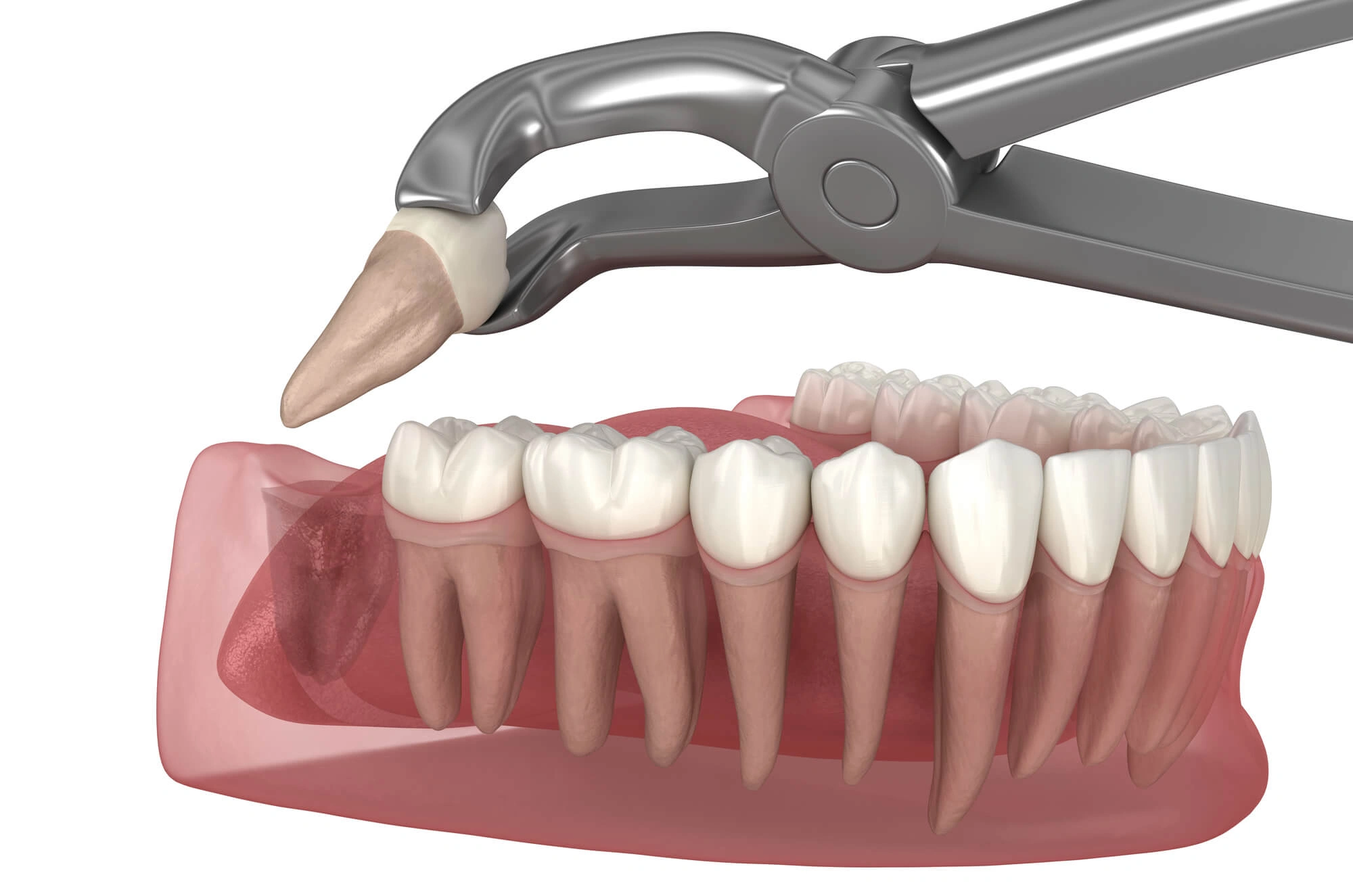
Wisdom teeth may need to be removed when they are impacted, causing pain, damaging nearby teeth, contributing to infection, or creating other oral health concerns. A dentist in FT, Lauderdale can evaluate the position and development of your wisdom teeth and determine whether extraction is appropriate.
Wisdom teeth are the last set of molars to develop, usually appearing during the late teenage years or early adulthood. Some people have enough room for these teeth to grow normally, while others experience problems because the jaw does not have enough space. When wisdom teeth cannot erupt properly, they may become impacted or contribute to crowding, infection, and damage to neighboring teeth.
Not everyone needs wisdom teeth extraction. The decision depends on the tooth's position, development, symptoms, and potential impact on surrounding structures. Regular dental examinations and appropriate imaging can help determine when treatment may be beneficial.
When Should Wisdom Teeth Be Removed?
Wisdom teeth are commonly recommended for removal when they are causing current problems or are likely to create significant oral health concerns. Your dentist or oral surgeon may recommend extraction after evaluating the teeth and surrounding bone.
Pain or Discomfort
Persistent pain around the back of the mouth can be a sign that a wisdom tooth is not erupting properly. Pain may occur because the tooth is pressing against surrounding structures or because inflammation has developed around the gums.
While occasional discomfort during eruption may occur, ongoing or worsening pain should be evaluated rather than ignored.
Impacted Wisdom Teeth
An impacted wisdom tooth is unable to fully emerge into its normal position. It may remain partially covered by gum tissue or become trapped beneath the gum or bone.
Impaction can occur when the tooth grows at an angle toward the neighboring molar, backward toward the jaw, or in another position that prevents normal eruption.
Impacted teeth may be more difficult to clean and can increase the risk of certain dental complications.
What Problems Can Wisdom Teeth Cause?
Even when wisdom teeth are not currently painful, their position may create conditions that increase the likelihood of future problems. Your dentist may recommend monitoring them or removing them depending on their development and risk factors.
A partially erupted wisdom tooth can create a pocket where food and bacteria become trapped. This may lead to inflammation or infection around the tooth.
Symptoms can include swollen gums, tenderness, unpleasant taste, bad breath, or difficulty opening the mouth. Repeated infections may be a reason to consider extraction.
Damage to Nearby Teeth
An improperly positioned wisdom tooth can press against the second molar beside it. Depending on the angle and position of the wisdom tooth, this pressure may contribute to decay, gum problems, or damage to the neighboring tooth.
Removing a problematic wisdom tooth can help protect the surrounding area from further complications.
Does Everyone Need Wisdom Teeth Extraction?
No. Some people have wisdom teeth that erupt normally, remain healthy, and can be cleaned effectively. In these cases, extraction may not be necessary.
A dentist may instead recommend monitoring the teeth during regular dental visits. X-rays can help track their position and development even when the teeth have not fully erupted.
When Monitoring May Be Appropriate
Keeping wisdom teeth may be reasonable when they:
Have enough room to erupt properly
Are positioned normally
Can be cleaned effectively
Are not causing pain or infection
Are not damaging neighboring teeth
Have healthy surrounding gum tissue
Your dental provider can reassess the teeth over time because their position and condition may change.
Why Is Timing Important?
The timing of wisdom teeth removal varies from person to person. Dentists often evaluate wisdom teeth during the teenage years and early adulthood because this is when their development and eruption can be assessed.
Removing problematic wisdom teeth before they cause significant complications may sometimes make treatment more straightforward. However, age alone does not determine whether extraction is necessary.
What Does the Evaluation Involve?
A wisdom teeth evaluation typically includes an examination of the gums and teeth, along with dental imaging when appropriate. X-rays can show whether wisdom teeth are impacted, how they are positioned, and whether they are affecting nearby structures.
Your dentist can then explain whether removal, monitoring, or another approach is appropriate.
What Happens During Wisdom Teeth Removal?
The extraction process depends on whether the wisdom teeth have fully erupted and how difficult they are to access.
A fully erupted tooth may sometimes be removed through a relatively straightforward extraction. An impacted tooth may require a surgical extraction, during which the dentist or oral surgeon accesses the tooth through the gum and, when necessary, carefully removes surrounding bone or divides the tooth into sections.
The appropriate approach depends on the tooth's position and the patient's individual needs.
Is Wisdom Teeth Removal Painful?
Patients receive appropriate anesthesia during the procedure to keep them comfortable. Afterward, some soreness, swelling, or tenderness is expected as the mouth heals.
Your dental team will provide aftercare instructions based on the type of extraction performed.
How Should You Prepare for Wisdom Teeth Removal?
Your dentist or oral surgeon will explain how to prepare based on the type of anesthesia and procedure planned. You may receive instructions regarding eating, drinking, medications, transportation, and what to bring to the appointment.
Before the procedure, tell your dental provider about medications, supplements, allergies, and relevant medical information so the treatment plan can be prepared appropriately.
What Can You Expect During Recovery?
Recovery varies depending on how many teeth are removed and whether the extraction is simple or surgical. Swelling and discomfort are common during the initial healing period and generally improve with time.
Following your provider's instructions can support proper healing. These instructions may include recommendations about oral hygiene, food choices, physical activity, and protecting the extraction site.
What Should You Eat After Wisdom Teeth Removal?
Immediately after extraction, soft foods may be easier to eat because the surgical area can be tender. Your dentist will provide specific recommendations based on your procedure.
Common options may include:
Yogurt
Applesauce
Mashed potatoes
Smooth soups that are not hot
Soft scrambled eggs
Smoothies consumed without a straw
Avoid foods that are hard, crunchy, or difficult to chew while the extraction site is healing. Your dental provider can tell you when it is appropriate to gradually return to your normal diet.
What Are the Warning Signs After Extraction?
Some discomfort and swelling are expected after wisdom teeth removal. However, certain symptoms may require prompt attention.
Contact your dental provider if you experience severe or worsening pain, significant swelling, persistent bleeding, fever, or other symptoms that concern you. Following the aftercare instructions and attending recommended follow-up appointments can help your dental team monitor your recovery.
Can Wisdom Teeth Be Removed at the Same Time?
In some cases, multiple wisdom teeth can be removed during one appointment. Whether this is appropriate depends on the position of the teeth, the patient's oral health, and the treatment plan.
Removing multiple problematic teeth at once may allow the patient to complete treatment in a single surgical period, but the decision should be made after a professional evaluation.
How Can You Know If Your Wisdom Teeth Need Removal?
The only reliable way to determine whether wisdom teeth should be removed is through a professional dental evaluation. Symptoms such as pain or swelling can provide important clues, but some problematic wisdom teeth may cause no symptoms at all.
Regular dental visits allow your provider to monitor developing wisdom teeth and identify concerns before they become more serious. Imaging can provide additional information about teeth that are still beneath the gumline.
Choose a dentist in FT, Lauderdale for Wisdom Teeth Care
Wisdom teeth should not automatically be removed simply because they are present. However, impacted, infected, painful, or damaging wisdom teeth may require extraction to protect your oral health. TLC Dental provides oral and maxillofacial surgical care, including wisdom teeth extractions, with treatment based on each patient's individual needs. Schedule an evaluation to determine whether your wisdom teeth should be monitored or removed.