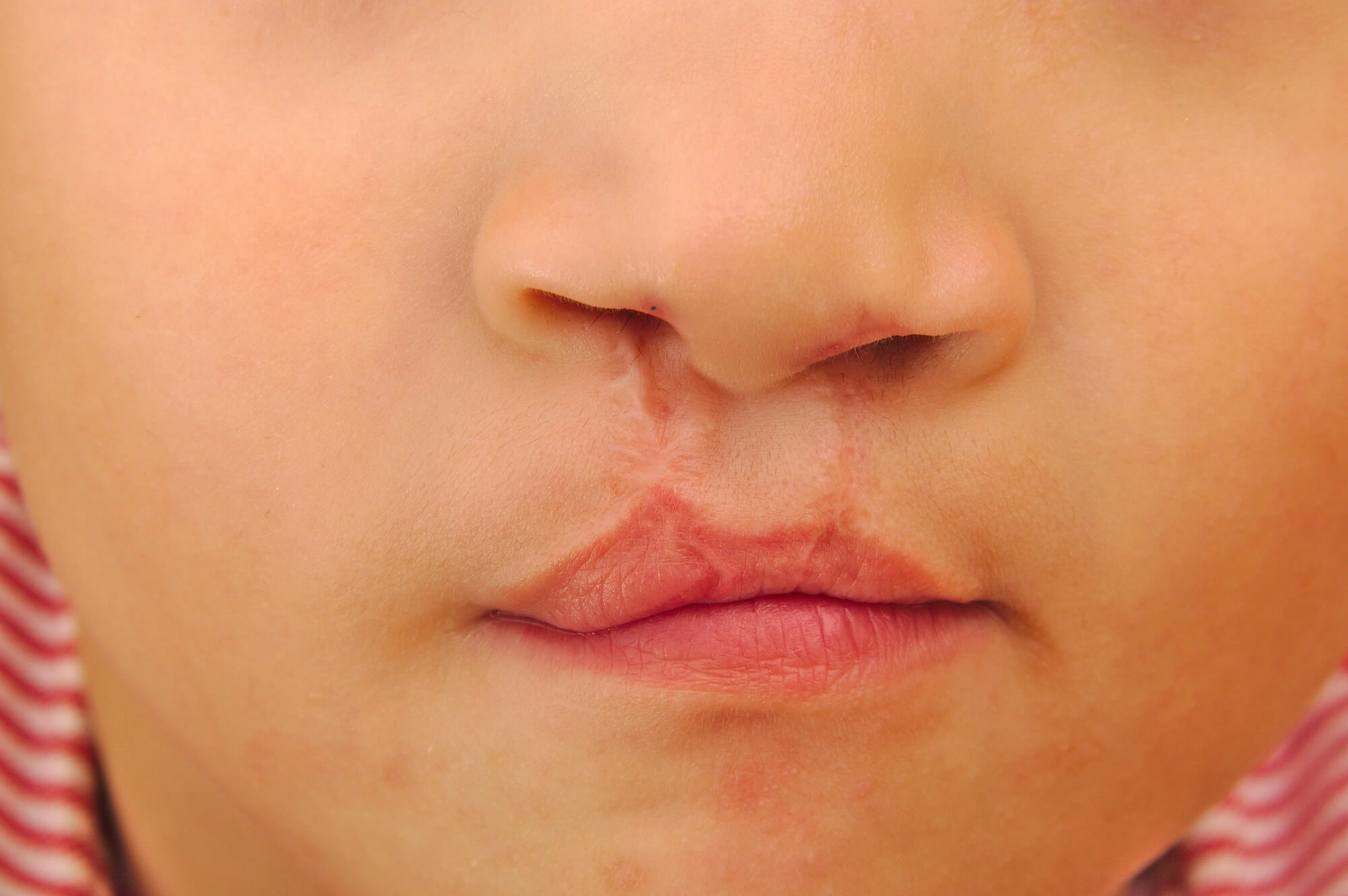
Cleft lip and cleft palate treatment usually involves a long-term, coordinated approach that may include surgery, dental care, speech therapy, orthodontics, and other specialized services. Because each child's needs are different, treatment is typically planned around the severity of the cleft, the child's age, growth, and overall health. A dentist in Coral Springs, FL can also play an important role in supporting oral health throughout the treatment process.
Cleft lip and cleft palate are among the most common birth differences affecting the structures of the mouth and face. A cleft occurs when certain tissues do not fully join during development before birth. A child may have a cleft lip, cleft palate, or both. The condition can affect feeding, speech, hearing, tooth development, and facial growth, making comprehensive care important.
Treatment does not consist of one procedure or appointment. Instead, children often receive care from several specialists who work together as they grow.
What Is Cleft Lip and Cleft Palate?
A cleft lip is an opening or separation in the upper lip that develops when the tissues forming the lip do not completely fuse. A cleft palate occurs when the tissues forming the roof of the mouth do not fully join.
These conditions can vary significantly. Some children have a small opening, while others have a cleft that extends through a larger portion of the lip or palate.
How Can Cleft Conditions Affect a Child?
The effects depend on the type and severity of the cleft. Some children may experience difficulties with:
Not every child experiences all of these concerns. A personalized treatment plan helps address the specific needs that arise throughout development.
How Is Cleft Lip Treated?
Cleft lip is generally treated surgically to close the separation and improve the structure and appearance of the upper lip. The timing of surgery varies according to the child's health, the severity of the cleft, and the treatment plan established by the child's medical team.
Cleft Lip Repair
During cleft lip repair, a surgeon carefully brings the separated tissues together. The procedure is designed to restore continuity of the lip while supporting normal function and facial development.
Following surgery, the child may need follow-up appointments to monitor healing and development. In some cases, additional procedures may be recommended as the child grows.
What Happens as the Child Grows?
Cleft care is often a long-term process. A child may require additional surgical or dental treatment as facial structures mature. The treatment team monitors changes over time and adjusts the plan when necessary.
The goal is not only to close the opening but also to support healthy facial development, function, speech, and oral health.
How Is Cleft Palate Treated?
Cleft palate is commonly treated with surgery to close the opening in the roof of the mouth. Closing the palate can support feeding, speech development, and separation between the oral and nasal cavities.
Palate Repair Surgery
During palate repair, the surgeon repositions and joins the tissues that form the roof of the mouth. The exact technique and timing depend on the child's individual anatomy and treatment plan.
After surgery, follow-up care is important. The child's healthcare team may monitor healing, speech development, hearing, and facial growth.
Why Is Speech Therapy Sometimes Needed?
The palate plays an important role in producing speech sounds. Some children with cleft palate may have difficulty developing certain sounds or may develop speech patterns that require additional support.
A speech-language pathologist can evaluate the child's communication and provide therapy when appropriate. Speech treatment may continue as the child develops and begins using more complex language.
What Role Does Dental Care Play?
Dental care is an important part of long-term cleft treatment. Children with cleft conditions may have missing, extra, malformed, or improperly positioned teeth near the cleft area. These concerns can affect chewing, oral hygiene, and the alignment of permanent teeth.
Children with cleft conditions benefit from the same basic preventive habits as other children, including brushing with fluoride toothpaste, cleaning between teeth when appropriate, and receiving professional dental care.
However, additional attention may be needed around the cleft area because irregular tooth positioning can make cleaning more difficult.
A dental professional can provide age-appropriate recommendations for brushing techniques, fluoride use, and other preventive measures.
When Does Orthodontic Treatment Begin?
Orthodontic care is another important component of cleft treatment. Because cleft conditions can affect the development and position of the teeth and jaw, orthodontists may monitor tooth eruption and facial growth over several years.
Early Orthodontic Evaluation
An orthodontic evaluation can help determine how the teeth are developing and whether there is enough space for permanent teeth to erupt properly. Treatment is not necessarily started immediately. Instead, the orthodontist monitors development and determines when intervention would provide the greatest benefit.
Orthodontics and the Cleft Area
Some children may require orthodontic treatment to improve the alignment of teeth around the cleft. In certain cases, orthodontic care may also be coordinated with surgical procedures involving the jaw or bone.
Because timing can be important, communication between the orthodontist, surgeon, dentist, and other specialists helps keep treatment coordinated.
What Other Specialists May Be Involved?
Cleft lip and cleft palate treatment often involves several healthcare professionals rather than a single provider. The exact team depends on the child's needs.
A multidisciplinary team may include:
Oral and maxillofacial surgeons
Plastic surgeons
Pediatric dentists
Orthodontists
Speech-language pathologists
Ear, nose, and throat specialists
Pediatricians
Audiologists
Genetic counselors
Psychologists or other support professionals
Each specialist contributes to a different aspect of the child's care. Working together can help the team address both immediate concerns and long-term development.
How Does Treatment Change With Age?
Cleft treatment is generally planned around developmental milestones. Infancy may focus on feeding and early medical needs, while later stages may involve surgery, dental monitoring, orthodontics, speech therapy, and other services.
Infancy and Early Childhood
During infancy, feeding support may be necessary, particularly when a cleft palate makes it difficult for a baby to create normal suction. Healthcare professionals can recommend specialized feeding techniques or equipment when needed.
Cleft lip and palate surgeries are often performed during early childhood, although exact timing varies.
School-Age Years
As children grow, dental and speech concerns may become more apparent. Routine dental visits, orthodontic monitoring, and speech evaluations can help identify issues that need attention.
Children may also become more aware of differences in appearance or speech during school years. Appropriate emotional and social support can be an important part of comprehensive care.
Adolescence and Beyond
Some patients may require additional procedures during adolescence as their jaws and facial structures mature. Orthodontic treatment may continue, and some individuals may need corrective jaw surgery or other procedures.
Long-term dental care remains important even after major surgical treatment is complete.
Why Is Follow-Up Care Important?
Cleft lip and cleft palate treatment is not considered complete simply because a surgical opening has been closed. The child's teeth, jaws, speech, hearing, and facial structures continue to develop.
Regular follow-up appointments allow the care team to monitor these changes and address problems as they arise.
Parents can support their child's treatment by:
Keeping scheduled appointments
Following post-surgical care instructions
Maintaining daily oral hygiene
Encouraging healthy eating habits
Attending recommended speech or orthodontic evaluations
Communicating new symptoms or concerns to the care team
Consistent follow-up can help ensure that treatment evolves with the child's changing needs.
How Can Parents Support Oral Health at Home?
Good oral hygiene is particularly important for children with cleft conditions. Parents should help young children brush their teeth and gradually teach them to take responsibility for their own oral care.
A dentist can demonstrate effective cleaning techniques, especially when teeth are crowded, rotated, or positioned near the cleft.
Parents should also watch for signs of dental problems, including tooth sensitivity, persistent discomfort, swollen gums, or difficulty cleaning specific areas. Bringing these concerns to the attention of the dental team can help prevent small problems from becoming more complicated.
Visit a dentist in Coral Springs, FL for Cleft-Related Dental Care
Cleft lip and cleft palate treatment is a long-term process that may involve surgery, dental care, orthodontics, speech therapy, and several other forms of specialized support. Coordinating these services throughout childhood can help address functional, developmental, and oral health needs as they arise. TLC Dental provides dental care that can be an important part of maintaining oral health for patients with complex dental needs. Schedule an appointment to discuss your child's dental health and develop an appropriate plan for ongoing care.