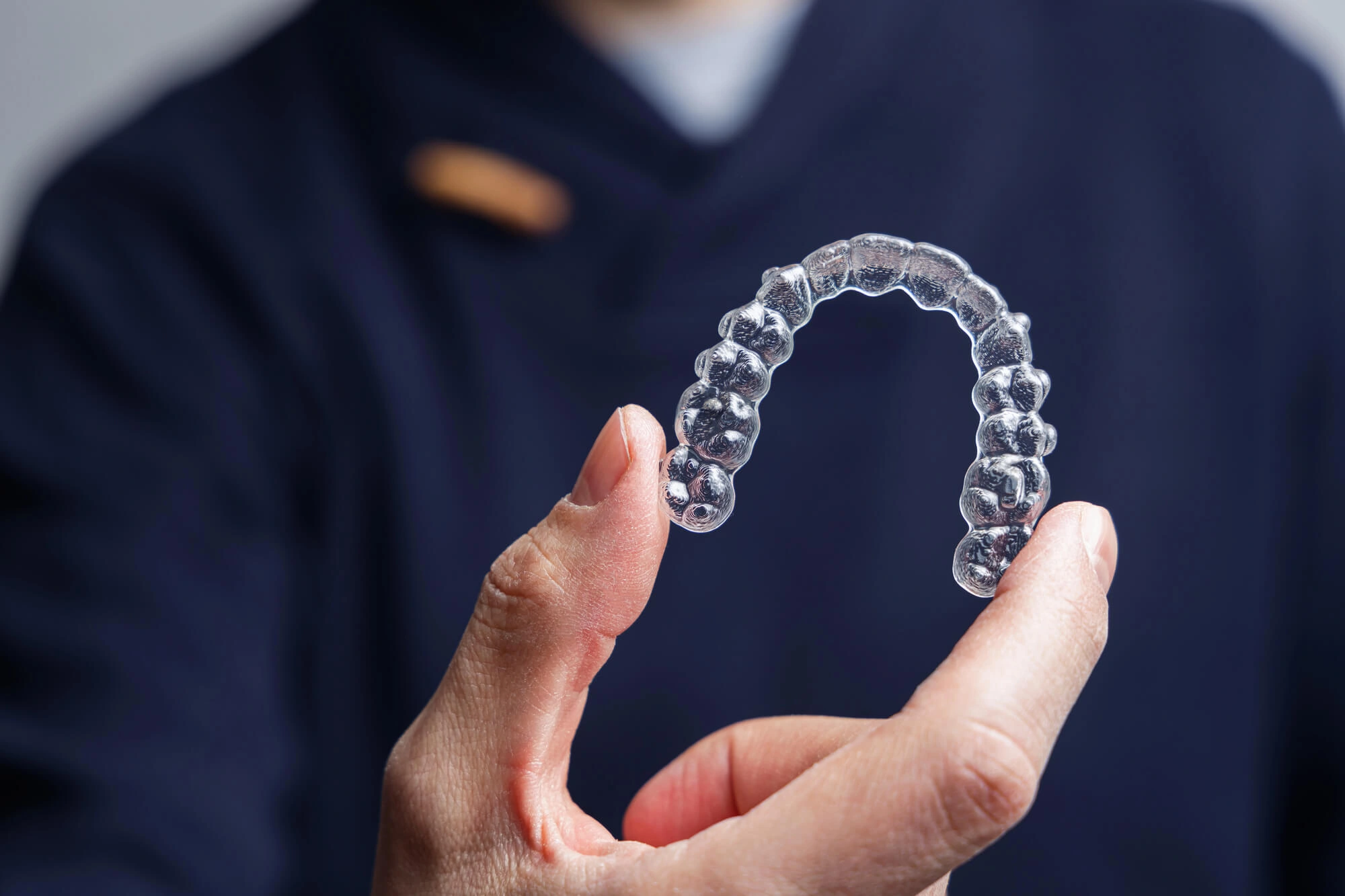
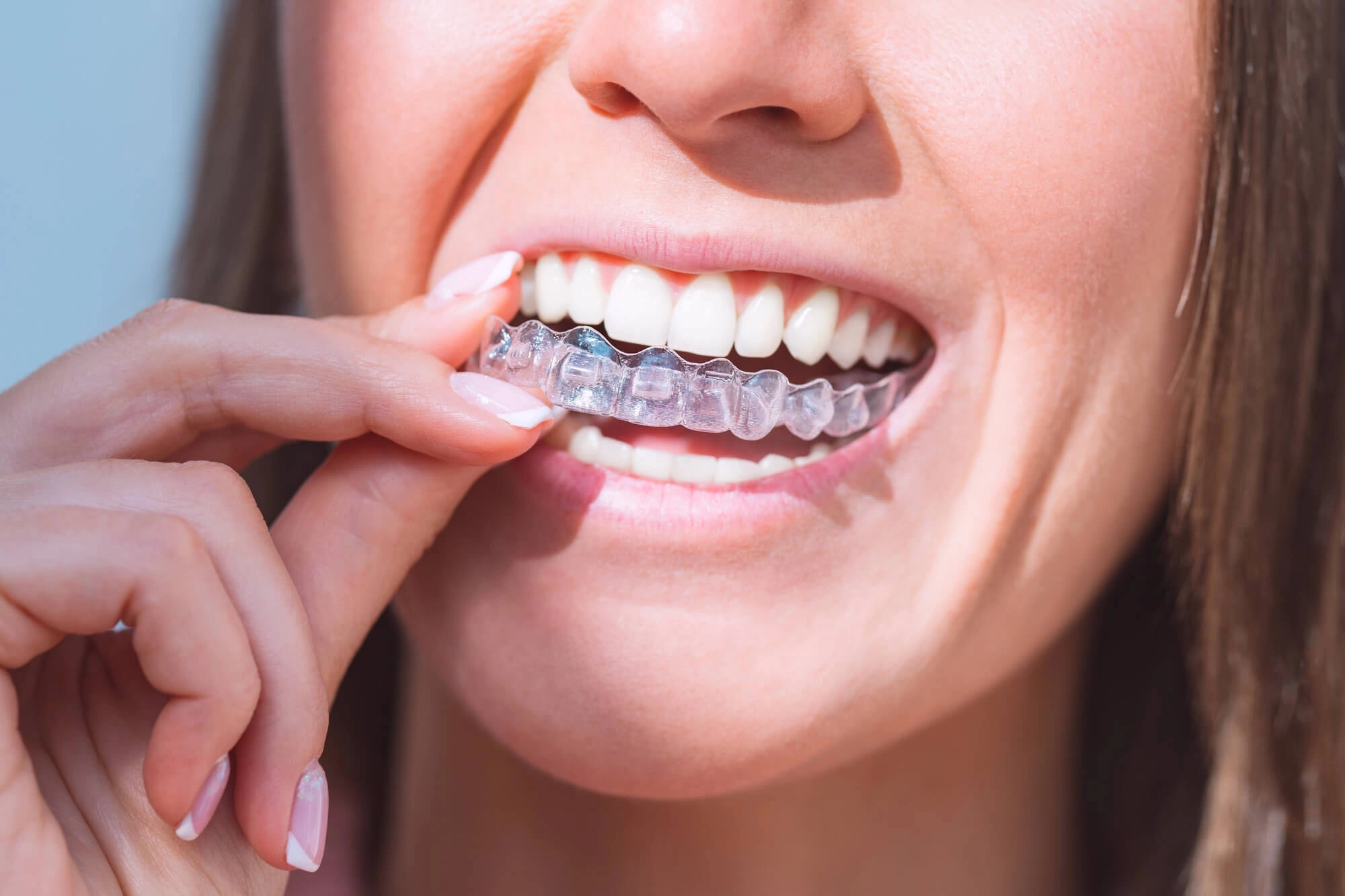
Keeping your teeth clean is especially important when undergoing Invisalign® in Coral Springs because aligners fit closely over your teeth for much of the day. While clear aligners can provide a discreet way to straighten your smile, they can also trap food particles and bacteria against your teeth if proper hygiene is overlooked. Brushing, flossing, cleaning your aligners, and following your dentist’s instructions can help protect your teeth throughout treatment.
Why Oral Hygiene Matters During Invisalign Treatment
Invisalign® aligners are designed to fit snugly over your teeth, which helps apply gentle pressure to gradually move them into better positions. However, wearing an aligner over teeth that have not been properly cleaned can keep bacteria and food debris from adhering to the enamel. Over time, this may contribute to plaque buildup, bad breath, tooth decay, or gum problems.
Unlike traditional braces, clear aligners can generally be removed when eating and drinking. This makes it easier to maintain your normal oral hygiene routine, but it also means you need to be consistent about cleaning your teeth before putting your aligners back in. A few extra minutes of daily care can make a meaningful difference in maintaining your oral health while your smile is being straightened.
Brush Your Teeth Before Putting Your Aligners Back In
Brushing after meals is one of the most important habits to develop during aligner treatment. Food particles and sugars left on your teeth can become trapped beneath your aligners, creating an environment where bacteria can thrive. Ideally, brush your teeth before replacing your aligners after eating.
Use a soft-bristled toothbrush and fluoride toothpaste to gently clean all tooth surfaces. Pay particular attention to the gumline, areas between teeth, and any spaces where food tends to collect. If you cannot brush immediately after eating, rinsing your mouth thoroughly with water can be a helpful temporary step until you can brush properly.
Floss Every Day
Brushing alone cannot effectively clean between teeth, making daily flossing an important part of your routine. This is especially relevant during orthodontic treatment because shifting teeth can change the spaces between them over time. Removing plaque and food debris from these areas can help support healthier gums and reduce the risk of cavities.
Floss at least once each day, preferably before bedtime. Traditional dental floss, floss picks, or other interdental cleaning tools may be used, depending on what works best for you. If your dentist has recommended a specific technique or product, follow those instructions throughout your treatment.
Keep Your Invisalign Aligners Clean
Taking care of your teeth is only part of maintaining good oral hygiene during clear aligner treatment. Your aligners also need regular cleaning because they can accumulate saliva, bacteria, and residue throughout the day. Clean aligners can feel fresher and may help reduce unpleasant odors.
Rinse Your Aligners Regularly
Whenever you remove your aligners, rinse them with cool or lukewarm water before putting them back in. This can help remove saliva and loose debris from their surfaces. Avoid using very hot water because excessive heat may affect the shape and fit of the aligners.
It is also helpful to rinse your aligners before placing them back into your mouth after eating. Keeping them clean throughout the day can make your treatment experience more comfortable and hygienic. Always handle your aligners carefully when removing or inserting them to avoid unnecessary damage.
Clean Your Aligners as Recommended
Your dental provider can recommend an appropriate method for cleaning your specific aligners. Avoid using abrasive products or cleaning methods that could scratch the plastic, since scratches can make the aligners appear cloudy and create additional areas where debris may collect. Follow the cleaning instructions provided by your dental team rather than experimenting with household cleaning products.
When you remove your aligners to eat, place them in their protective case rather than wrapping them in a napkin. This helps prevent accidental loss or damage and keeps the aligners away from potentially contaminated surfaces. Make sure the case itself is cleaned regularly as well.
Be Careful About What You Eat and Drink
One advantage of removable aligners is that you can take them out when eating. This means you generally do not have the same food restrictions associated with brackets and wires. However, what you eat and drink can still affect your teeth and your overall oral health during treatment.
Remove Aligners Before Eating
Unless your dental provider specifically tells you otherwise, remove your aligners before eating meals and snacks. Eating with aligners can damage them or trap food particles between the aligners and your teeth. After eating, clean your teeth as thoroughly as possible before putting the aligners back in.
Drinking plain water while wearing your aligners is generally the safest option. Other beverages can contain sugar, acids, or pigments that may contribute to tooth discoloration or decay when they remain on the teeth. If you drink anything other than water, follow your dental provider’s recommendations on whether to remove and clean your aligners afterward.
Limit Sugary and Acidic Foods
A healthy diet supports healthy teeth regardless of whether you are undergoing orthodontic treatment. Frequent consumption of sugary foods and drinks can increase the risk of cavities, while acidic beverages and foods can contribute to enamel erosion. Choosing water and balanced meals more often can help protect your teeth as they gradually move.
Consider limiting frequent snacking throughout the day, particularly on sticky or sugary foods. If you do enjoy these foods, brushing your teeth afterward can help minimize how long sugars and acids remain on your teeth. Maintaining these habits can benefit your smile long after orthodontic treatment is finished.
Follow Your Aligner Wear Schedule
Your aligners need to be worn according to the schedule provided by your dental professional. Taking them out for meals and hygiene is expected, but wearing them for significantly less time than recommended may interfere with your treatment progress. Consistency helps ensure that your teeth receive the intended pressure needed for gradual movement.
Make it easier to stay on schedule by developing a routine around meals, brushing, and bedtime. Keep your aligner case with you when you are away from home so you have a safe place to store the trays when eating. If you accidentally lose or damage an aligner, contact your dental office for guidance rather than making changes to your treatment plan yourself.
Watch for Changes in Your Teeth and Gums
Some temporary pressure or mild discomfort can occur when switching to a new set of aligners. However, persistent pain, significant gum irritation, swelling, or other unusual symptoms should not simply be ignored. Paying attention to changes in your mouth allows potential problems to be addressed promptly.
Check your teeth and gums regularly when brushing and flossing. Look for areas of redness, swelling, bleeding, unusual sensitivity, or changes in the appearance of your teeth. If something seems unusual or does not improve, contact your dental provider so the issue can be evaluated.
Keep Your Regular Dental Appointments
Orthodontic appointments are important for monitoring how your teeth are responding to treatment. Regular general dental visits are also valuable because orthodontic treatment does not replace preventive dental care. Professional cleanings and examinations can help identify cavities, gum concerns, or other oral health issues that may develop during treatment.
Your dental team can also assess your progress and determine whether your aligners are fitting properly. Keeping scheduled appointments gives your provider an opportunity to make recommendations based on your individual needs. Following the complete treatment plan can help you stay on track toward your desired smile.
What Should You Keep in Your Invisalign Care Kit?
Having a few essential items with you can make it easier to maintain your oral hygiene when you are away from home. A small care kit can be especially useful at school, work, while traveling, or when eating at restaurants. Being prepared can help you avoid leaving your aligners in for extended periods without cleaning your teeth.
Consider keeping these items together:
Toothbrush and fluoride toothpaste
Dental floss or an interdental cleaning tool
Aligner case
Water for rinsing when needed
Recommended aligner cleaning supplies
A small travel-sized oral hygiene kit
Keeping these supplies accessible makes it easier to maintain your routine throughout the day. The goal is not to make dental care complicated but to make healthy habits convenient and consistent.
Common Invisalign Care Mistakes to Avoid
One common mistake is putting aligners back over unclean teeth after eating. Another is cleaning aligners with extremely hot water or abrasive products that may affect their appearance or condition. Forgetting to wear aligners for the recommended amount of time can also interfere with treatment progress.
Another mistake is assuming that clear aligners eliminate the need for routine dental care. Even though the trays are removable, your teeth and gums still need regular professional attention. Following your provider’s recommendations can help reduce preventable problems and support a healthier smile throughout the process.
Make the Most of Your Invisalign Treatment
Caring for your teeth during clear aligner treatment can be simple with consistent brushing, flossing, cleaning your aligner, and regular dental visits. Following your recommended wear schedule and maintaining healthy eating habits can also help keep your treatment on track.
TLC Dental can provide personalized guidance and professional support throughout your smile journey. Schedule a consultation to learn more about caring for your teeth and achieving a healthy, confident smile with Invisalign.
*Invisalign®, the Invisalign logo, and iTero®, among others, are trademarks and/ or service marks of Align Technology, Inc. or one of its subsidiaries or affiliated companies and may be registered in the U.S. and/or other countries.