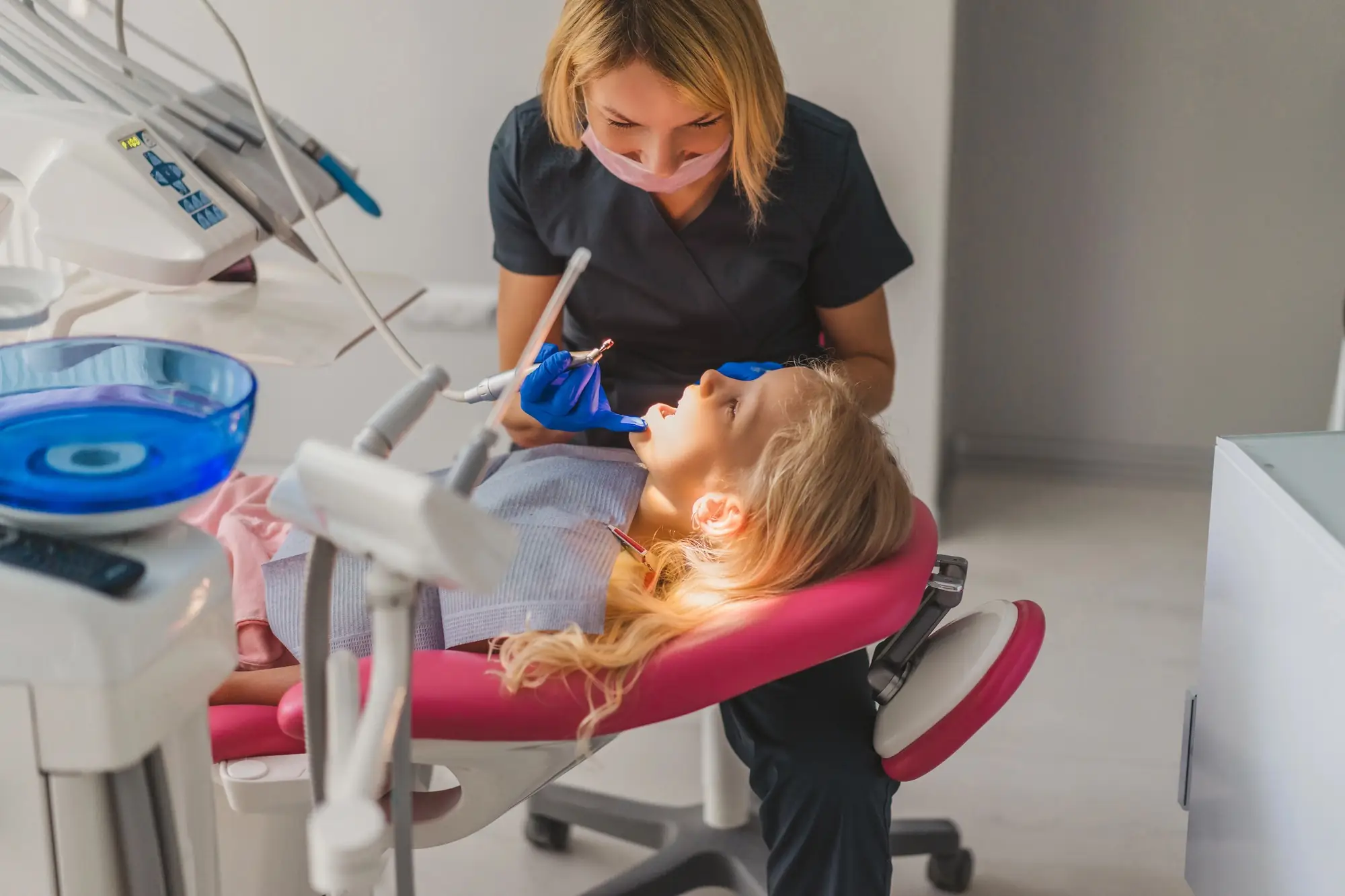
Healthy teeth play an important role in a child’s development, from eating and speaking comfortably to building confidence as their permanent smile develops. Working with a pediatric dentist in Hollywood can help parents understand their child’s changing dental needs and establish good oral hygiene habits early. With regular dental visits, proper brushing, a balanced diet, and preventive care, families can help protect their children’s smiles throughout childhood.
Why Healthy Teeth Matter During Childhood
Children’s teeth do much more than help them chew food. Baby teeth support clear speech, make it easier for children to eat properly, and help maintain the space needed for permanent teeth. Although these teeth are temporary, keeping them healthy can contribute to a child’s comfort and overall oral development.
Dental problems during childhood can interfere with everyday activities. Tooth decay may cause pain or sensitivity that makes eating, sleeping, or concentrating more difficult. Regular dental care helps identify concerns early and gives parents the opportunity to address problems before they become more complicated.
When Should Your Child First Visit the Dentist?
Parents should generally schedule their child’s first dental visit around the time the first tooth appears or by the child’s first birthday. An early appointment allows the dentist to examine developing teeth and gums while giving parents practical guidance about oral hygiene. It also introduces children to the dental environment before they develop a reason to associate dental visits with pain or discomfort.
Early visits are primarily focused on prevention and education. The dentist can discuss brushing techniques, fluoride use, nutrition, pacifier habits, thumb-sucking, and other factors that may affect developing teeth. Starting early also creates a baseline for monitoring how a child’s smile changes over time.
How Often Should Children Visit the Dentist?
Many children benefit from dental checkups approximately every six months, although the recommended schedule can vary based on individual needs. Children who are at higher risk for cavities or have existing dental concerns may need more frequent appointments. Following the schedule recommended by the dental professional allows potential problems to be monitored consistently.
Regular visits can include examinations and professional cleanings designed to support preventive oral care. These appointments give dental professionals an opportunity to look for cavities, gum concerns, enamel changes, and developing bite problems. Consistent monitoring can make it easier to catch changes before they require more extensive treatment.
Building a Strong Oral Hygiene Routine at Home
A child’s dental health depends heavily on what happens between professional appointments. Parents should help children establish a routine of brushing twice a day with fluoride toothpaste appropriate for their age. Younger children often need assistance because they may not yet have the coordination to clean every surface of their teeth effectively.
As children grow, parents can gradually encourage them to become more independent with brushing while continuing to supervise when necessary. Brushing should reach the front, back, and chewing surfaces of the teeth, along with the gumline. Once teeth begin touching each other, flossing should also become part of the daily routine to clean areas a toothbrush cannot reach.
Choosing the Right Toothbrush and Toothpaste
A child’s toothbrush should be comfortable to hold and have soft bristles that can gently clean the teeth and gums. Replacing the toothbrush when the bristles become worn can help maintain effective cleaning. Parents should also make sure children use an appropriate amount of fluoride toothpaste based on their age and dental professional’s recommendations.
Young children may not understand why they should brush thoroughly, so making the routine enjoyable can help. Parents can brush alongside their children, use a simple timer, or create a consistent morning and bedtime routine. The goal is to make oral hygiene a normal part of everyday life rather than something children view as a chore.
Food and beverages can have a significant effect on a child’s dental health. Frequent exposure to sugary foods and drinks can increase the risk of tooth decay because oral bacteria use sugars to produce acids that can damage tooth enamel. Encouraging balanced meals and limiting sugary snacks can help support healthier teeth.
Parents can choose nutritious snacks such as fresh vegetables, fruits, cheese, or other options appropriate for their child. Water is also a good everyday beverage because it does not contain added sugar and can help rinse food particles from the mouth. Establishing healthier eating habits during childhood can benefit both oral health and overall wellness.
Habits That Can Affect Developing Teeth
Certain childhood habits can influence the way teeth and jaws develop. Prolonged thumb-sucking or pacifier use, for example, may affect the alignment of the teeth when the habit continues beyond the recommended age. Parents should discuss persistent habits with a dental professional rather than attempting to stop them through punishment or pressure.
Teeth can also be affected by habits such as chewing on hard objects or using the teeth to open packages. These behaviors may increase the risk of chips, cracks, or other dental injuries. Teaching children that their teeth are meant for eating and speaking can help them develop safer habits as they grow.
The Role of Preventive Dental Care
Preventive dental care focuses on protecting teeth before serious problems develop. Depending on a child’s needs, professional care may include dental examinations, cleanings, fluoride treatments, or sealants. These services can complement daily brushing and flossing by providing additional protection for developing teeth.
Dental sealants may be especially helpful for protecting the grooves and pits of back teeth where food particles and plaque can become trapped. Fluoride treatments may also help strengthen enamel and reduce the risk of cavities when recommended by a dental professional. A personalized preventive plan allows parents to understand which services are appropriate for their child.
Signs Your Child May Need Dental Care
Parents should pay attention to changes that could indicate a dental concern, even when a child has a routine appointment scheduled. Some dental problems may not cause obvious symptoms at first, so regular examinations remain important. Contacting a dental professional promptly can help determine whether a symptom requires treatment.
Common signs to watch for include:
Toothache or persistent mouth discomfort
Sensitivity when eating or drinking
Swollen, red, or bleeding gums
White, brown, or dark spots on the teeth
A chipped, cracked, or damaged tooth
Persistent bad breath
Difficulty chewing or eating
Pain or swelling around a tooth
Children may not always know how to describe dental discomfort accurately. Parents can therefore watch for changes in behavior, eating habits, sleep, or willingness to brush. Addressing unusual symptoms early can help prevent minor concerns from becoming more serious.
Making Dental Visits Comfortable for Children
A positive dental experience can shape how children view oral health for years to come. Parents can prepare children by explaining that the dentist checks their teeth and helps keep their smile healthy without using frightening descriptions. Reading children’s books about dental visits or talking about what will happen beforehand can also make the experience feel more familiar.
Parents should also avoid using dental appointments as a threat or punishment. Staying calm and positive can help children feel more secure, especially during their first few visits. With consistent appointments and supportive communication, children can gradually become more comfortable participating in their own dental care.
Choosing the Right Dental Care for Your Child
Choosing the right dental provider is an important part of maintaining a child’s oral health. Parents should look for a practice that emphasizes prevention, provides age-appropriate care, and takes time to explain recommendations clearly. A trusted dental team can work with families to monitor developing teeth and address concerns as children move through different stages of growth.
Healthy teeth begin with simple habits that are practiced consistently. Combining daily brushing and flossing, nutritious food choices, regular professional cleanings, and routine dental examinations can give children a strong foundation for lifelong oral health. If you are looking for comprehensive preventive dental care for your child, TLC Dental can help your family support a healthy, growing smile through every stage of development.
Schedule a Visit with a Pediatric Dentist in Hollywood
Give your child’s growing smile the attention it deserves with regular preventive dental care and professional guidance. Contact TLC Dental to learn more about children’s dental cleanings, examinations, and preventive care options for your child.