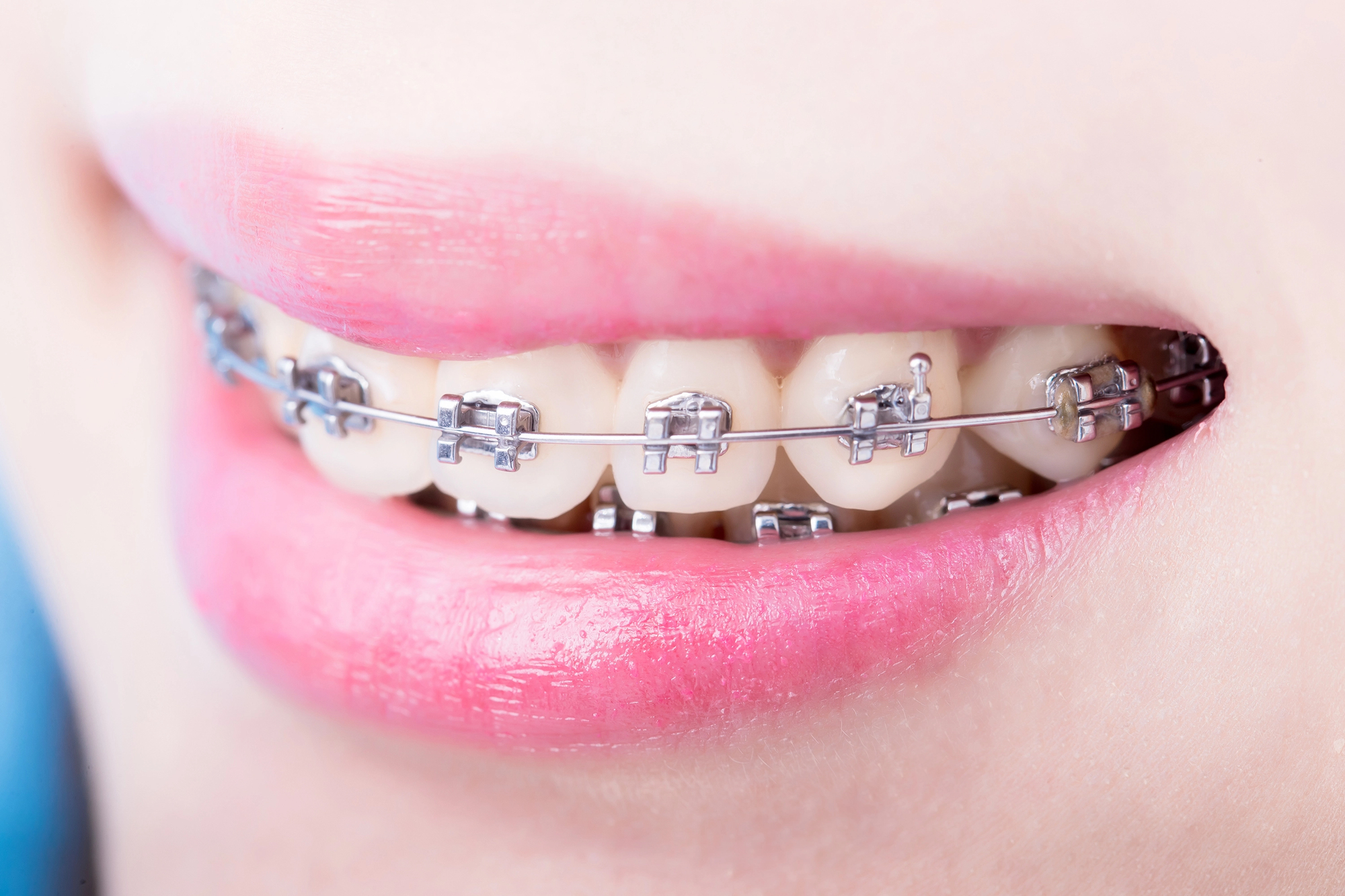
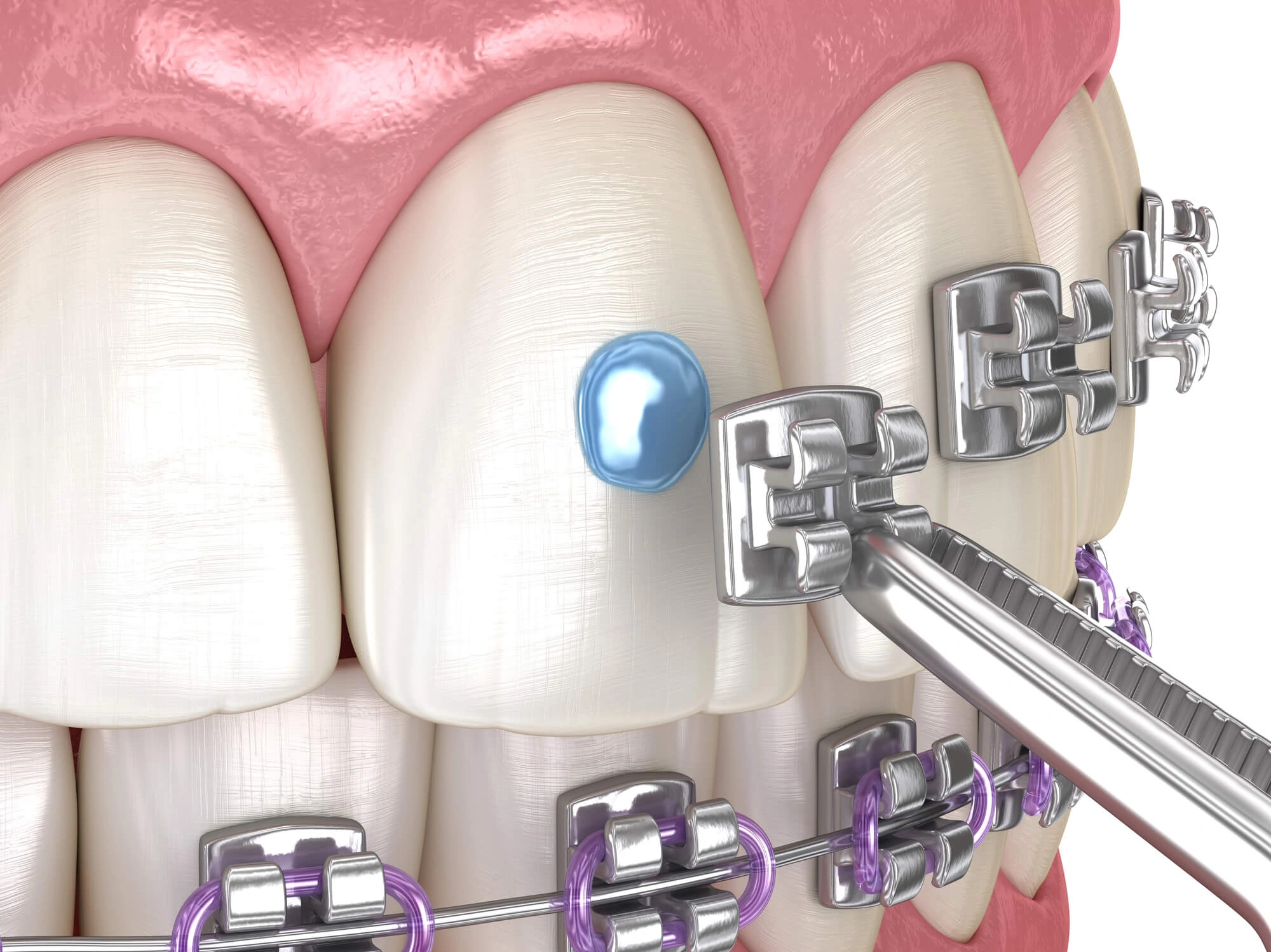
Modern orthodontics has become more accessible through flexible pricing and better technology. Braces are no longer considered an out-of-reach dental treatment. Today, more patients can begin orthodontic care because of flexible payment plans, improved dental technology, and clinic promotions. These changes have made treatments like affordable braces more accessible without compromising quality or results. For many patients, the ability to pay in installments and choose from different treatment options has removed the biggest barrier to getting a healthier, straighter smile.
Understanding what drives affordability helps patients make informed decisions and take advantage of modern dental care options that fit their budget.
Why Braces Are More Affordable Today
Orthodontic care has evolved significantly over the past decade. While braces still require a financial investment, the way costs are structured has changed to make treatment easier to start and manage.
Flexible Payment Plans Make Treatment Easier
One of the biggest reasons braces feel more affordable today is the availability of installment-based payment systems. Instead of paying the full cost upfront, patients can spread payments over the entire treatment period.
This typically includes:
Low initial down payments
Monthly installment options
Payment per adjustment visit
Long-term financing plans in some clinics
These options allow patients to begin treatment immediately without waiting to save a large lump sum.
Modern Clinics Focus on Transparent Pricing
Many dental providers now offer clearer pricing structures compared to the past. Patients are informed about expected costs upfront, including consultation, adjustments, and retainers.
This transparency helps reduce unexpected expenses and makes orthodontic care feel more manageable and predictable.
How Technology Has Reduced Orthodontic Costs
Advancements in dental technology have also contributed to making treatment more efficient and cost-effective. Modern orthodontic tools allow for more precise tooth movement, reducing the need for frequent adjustments and minimizing treatment errors. Digital imaging and 3D scanning also help create more accurate treatment plans from the start, improving overall efficiency and helping patients achieve better results in less time.
Faster Treatment Methods
Modern braces systems use improved wire technology and bracket designs that allow for more efficient tooth movement. This can sometimes reduce overall treatment time, lowering long-term costs related to extended care.
Shorter treatment duration also means fewer visits in some cases, which can reduce indirect expenses such as transportation and time off work.
Improved Diagnostic Tools
Digital X-rays, 3D scans, and modern planning software allow orthodontists to design more accurate treatment plans from the beginning. This reduces trial-and-error adjustments and improves efficiency throughout treatment.
Better planning means fewer complications and smoother progress.
Different Types of Braces at Different Price Points
Affordability also comes from the variety of orthodontic options available today. Patients can choose based on budget, appearance preferences, and dental needs.
Traditional Metal Braces
Metal braces remain one of the most cost-effective orthodontic options. They are widely used because they are durable, reliable, and capable of treating even complex cases.
They are often the foundation of many affordable braces treatment plans due to their efficiency and versatility.
Ceramic Braces
Ceramic braces function similarly to metal braces but are designed to be less visible. While slightly more expensive, they provide a balance between aesthetics and effectiveness.
Specialty Systems
Other orthodontic systems, such as self-ligating braces, may offer improved comfort or shorter adjustment visits. While pricing varies, clinics often structure them into flexible packages.
What’s Usually Included in Braces Packages
Another reason orthodontic care feels more affordable today is that many clinics bundle services into one package.
Bundled pricing helps patients avoid unexpected add-on costs and makes budgeting easier.
Why Location and Clinic Competition Matter
The cost of orthodontic care can vary depending on location and clinic availability. In areas with more dental providers, competition often encourages more flexible pricing and promotional offers.
Clinics may also offer seasonal discounts or special programs to make treatment more accessible to new patients.
Preventive Dentistry Helps Reduce Long-Term Costs
Another hidden factor in affordability is preventive care. When patients maintain good oral hygiene and attend regular checkups, they reduce the risk of complications during orthodontic treatment.
Fewer complications mean:
Fewer emergency visits
Reduced risk of cavity-related delays
More consistent treatment progress
Lower additional dental expenses
This helps keep overall treatment costs stable and predictable.
Why Early Treatment Is More Cost-Effective
Delaying orthodontic care can sometimes lead to more complex dental issues later. Misaligned teeth may worsen over time, potentially requiring longer treatment or additional procedures.
Starting treatment early can help:
Shorten overall treatment time
Reduce severity of alignment issues
Avoid future corrective procedures
Improve long-term oral health
This is why many patients choose to begin care when options like affordable braces become accessible.
How Clinics Make Treatment More Accessible
Modern dental clinics often design patient-friendly systems to encourage early treatment.
Promotions and Special Packages
Some clinics offer seasonal or limited-time promotions that reduce initial costs or include added benefits such as free consultations or discounted diagnostic records.
Financing Assistance
In-house financing and partnerships with payment providers help patients manage treatment costs without financial strain.
These systems are a major reason orthodontic care is now within reach for more people.
The Real Value Behind Orthodontic Treatment
While affordability is important, braces should also be seen as a long-term investment in oral health. Straight teeth improve not only appearance but also function and hygiene.
These long-term advantages often outweigh the initial cost of treatment.
Making Braces More Accessible Than Ever
Today’s orthodontic care is designed to be flexible, efficient, and patient-centered. Through payment options, improved technology, and structured treatment plans, more individuals can now access quality dental care without financial pressure.
Start Your Journey with Affordable Braces Today
Choosing bracesis easier today than ever before, thanks to flexible payment options, improved orthodontic technology, and patient-friendly treatment plans. If you are ready to improve your smile and explore your options, TLC Dental offers personalized orthodontic care that fits your needs and budget and delivers lasting results. Schedule your appointment today.
Delaying care for an infected tooth may seem harmless at first, especially if the pain comes and goes. However, when infection reaches the inner pulp of the tooth, the condition does not improve on its own. In fact, postponing root canal treatment often leads to the need for urgent root canal procedure later, as the infection worsens and increases the risk of tooth loss and more complex dental procedures.
When bacteria enter the tooth’s nerve chamber, they begin damaging soft tissue and surrounding structures. What starts as mild sensitivity or occasional discomfort can quickly turn into severe pain, swelling, and even systemic infection if ignored.
Understanding the consequences of delay helps patients make faster decisions and avoid long-term complications that could have been prevented with timely care.
How Tooth Infection Progresses When Left Untreated
Tooth decay does not stop once it reaches the inner pulp. Instead, it continues to spread deeper into the tooth structure and surrounding bone.
Early Stage: Mild Sensitivity
At first, patients may notice:
Sensitivity to hot or cold foods
Mild discomfort when chewing
Occasional toothache that fades
At this stage, many people delay treatment because symptoms are manageable. However, the infection is already progressing beneath the surface.
Moderate Stage: Increasing Pain and Inflammation
As bacteria multiply, the nerve becomes more inflamed. This leads to:
At this point, the infection may affect surrounding bone and tissues, making treatment more complex and urgent.
What Happens When You Delay Root Canal Treatment
Postponing treatment does not just prolong discomfort—it increases the severity of the condition and limits treatment options.
Risk of Tooth Loss
One of the most serious consequences of delaying care is losing the natural tooth. When infection destroys too much of the tooth structure, saving it may no longer be possible. Extraction may become the only option.
Losing a tooth can lead to additional problems such as shifting teeth, bite misalignment, and difficulty chewing.
Spread of Infection
Untreated dental infections can spread beyond the tooth root into the jawbone and surrounding tissues. In severe cases, bacteria can enter the bloodstream, increasing health risks beyond the mouth.
This is why dentists treat infected teeth promptly using root canal treatment before the infection spreads further.
Increased Pain and Discomfort
Dental pain caused by infection tends to worsen over time. What starts as mild discomfort can turn into constant, intense pain that affects sleep, eating, and daily activities.
Painkillers may temporarily reduce symptoms, but they do not eliminate the underlying infection.
More Expensive and Complex Treatment
Delaying care often leads to more advanced procedures, which can be more expensive and time-consuming. Early intervention is typically simpler, faster, and more cost-effective.
Why Root Canal Treatment Is Necessary for Saving the Tooth
When the pulp inside the tooth becomes infected, it cannot heal on its own. The only way to preserve the tooth is to remove the infected tissue and clean the inside structure.
Root canal treatment is designed specifically for this purpose. It eliminates infection while allowing the natural tooth to remain in place.
How the Procedure Helps
The treatment works by:
Removing infected pulp tissue
Cleaning and disinfecting the inner tooth
Sealing the tooth to prevent reinfection
Restoring strength with a filling or crown
This process helps preserve natural tooth function and prevents the need for extraction.
Why People Delay Treatment (and Why It’s Risky)
Many patients delay dental care for different reasons, but understanding these concerns can help overcome them.
Fear of Pain
Some patients believe root canal treatment is painful. In reality, modern techniques use local anesthesia, making the procedure similar to getting a filling. Most discomfort actually comes from the infection itself, not the treatment.
Busy Schedules
Work, school, and personal responsibilities often push dental care aside. However, delaying treatment usually results in longer recovery times later.
Hoping the Pain Will Go Away
Tooth infections do not resolve on their own. Temporary relief often means the nerve is dying, not healing.
Warning Signs You Should Never Ignore
If you experience any of the following symptoms, it may indicate the need for immediate dental attention:
Persistent toothache
Swelling in the gums or face
Sensitivity to hot or cold that lingers
Darkening of the tooth
Pain when biting or chewing
Pimple-like bump on gums
These signs often indicate that infection has reached the pulp and may require root canal treatment.
What Happens During a Timely Root Canal Treatment
When performed early, root canal treatment is straightforward and highly successful.
Early treatment helps preserve more of the natural tooth structure and reduces complications.
How to Prevent Needing Emergency Treatment
Good oral hygiene and routine dental care significantly reduce the risk of severe infections.
Daily Prevention Habits
Brush twice daily with fluoride toothpaste
Floss once a day
Limit sugary foods and drinks
Avoid ignoring small tooth pain
Attend regular dental checkups
Importance of Early Dental Visits
Routine exams help detect decay before it reaches the nerve. Early treatment of cavities can prevent the need for root canal treatment altogether.
The Long-Term Impact of Delaying Care
Delaying treatment affects more than just one tooth. It can impact overall oral health, bite alignment, and even confidence in your smile. A single untreated infection can lead to multiple dental procedures in the future.
Early care protects natural teeth, reduces complications, and supports long-term oral wellness.
FAQs
What happens if I completely avoid root canal treatment?
If left untreated, the infection can worsen, leading to abscess formation, severe pain, and possible tooth loss.
How urgent is root canal treatment once symptoms appear?
It is considered urgent. Early treatment prevents infection from spreading and increases the chance of saving the tooth.
Can tooth pain go away without root canal treatment?
Pain may temporarily stop if the nerve dies, but the infection continues to spread and usually becomes worse.
Is root canal treatment safe?
Yes, it is a safe and common dental procedure with a high success rate for saving infected teeth.
How long can I wait before getting treatment?
Delaying even a few weeks can worsen infection. It is best to seek dental care as soon as symptoms appear.
Schedule Your Appointment for a Root Canal Treatment
Waiting too long to address tooth pain can turn a manageable condition into a serious dental problem. Timely care not only saves your tooth but also prevents infection from spreading and reduces long-term costs and discomfort. Root canal treatment is a safe and effective solution designed to preserve your natural smile and restore comfort.
If you are experiencing symptoms or suspect an infection, TLC Dental provides professional evaluation and gentle care focused on saving teeth and restoring oral health. Book your appointment today.
Spring Into a Healthier Smile: Why Now Is the Best Time for a Checkup
April 13, 2026
Spring is a natural time for renewal, making it the perfect opportunity to prioritize oral health for the whole family. After months of busy routines, school demands, and seasonal illnesses, dental care is often delayed without notice. Seeing a pediatric dentist during this season helps ensure children’s teeth and gums stay healthy while setting strong habits for the year ahead. A spring checkup supports prevention, early detection, and long-term confidence in a child’s smile.
Why Spring Is the Best Time for a Child’s Dental Checkup
Spring offers a reset point after the hectic winter season. Children are back into structured routines, making it easier for parents to schedule appointments without the rush of holidays or long school breaks. This timing is ideal for preventive dental care because it allows dentists to address concerns early before summer activities begin.
Regular dental visits during spring help ensure that small issues do not become bigger problems. Cavities, early gum inflammation, and enamel wear are easier to manage when detected early. A pediatric dentist focuses on gentle, child-friendly care that helps kids feel comfortable while receiving essential treatment.
Spring checkups also prepare children for upcoming events such as school programs, family vacations, and sports activities, where a healthy smile boosts confidence.
Preventive Dental Care for Growing Smiles
Preventive care is one of the most important aspects of pediatric dentistry. Children’s teeth are still developing, which means they require careful monitoring to ensure proper growth and alignment.
During a preventive visit, the dentist may:
Check for early signs of tooth decay
Monitor jaw and bite development
Clean plaque and tartar buildup
Apply fluoride treatments for protection
Educate children on proper brushing and flossing
These steps help reduce the risk of future dental complications and promote strong oral hygiene habits early in life. Preventive care also helps children become more comfortable with dental visits, reducing anxiety over time.
Why Early Dental Visits Matter for Long-Term Health
Early dental visits help establish a strong foundation for lifelong oral health. When children visit a pediatric dentist regularly, potential problems such as misalignment or decay can be addressed before they progress.
Early detection is especially important because children may not always recognize or communicate discomfort. Regular checkups ensure that any hidden issues are identified before they affect speech, eating habits, or overall confidence.
Good oral health in childhood also supports better health in adulthood, as habits formed early tend to last throughout life.
How Pediatric Dentistry Supports Healthy Development
Children’s dental needs are different from adults, which is why specialized care is important. A pediatric dentist is trained to handle the unique challenges of growing teeth, developing jaws, and early oral habits.
Building Strong Oral Hygiene Habits Early
One of the main goals of pediatric dentistry is education. Teaching children how to properly brush and floss helps them build independence and responsibility for their oral health.
Healthy habits include:
Brushing twice daily for two minutes
Flossing once a day
Using fluoride toothpaste in appropriate amounts
Limiting sugary snacks and drinks
Drinking plenty of water
When these habits are introduced early, children are more likely to maintain them as they grow older.
Managing Common Childhood Dental Issues
Children may experience dental issues such as cavities, thumb sucking effects, or early alignment concerns. A pediatric dentist can identify these problems early and recommend appropriate treatments or preventive strategies.
Early intervention may help reduce the need for more complex procedures in the future. It also ensures that children maintain comfort while eating, speaking, and smiling.
Why Families Delay Dental Visits and How to Overcome It
Despite the importance of dental care, many families postpone checkups due to busy schedules or uncertainty about timing. Understanding these barriers can help parents take proactive steps.
Busy Family Schedules
School activities, work commitments, and extracurriculars often make it difficult to schedule appointments. However, delaying care can lead to more serious issues that require additional time and treatment later on.
Some children may feel nervous about visiting the dentist. A pediatric dentist is trained to create a welcoming and supportive environment that helps ease fear and build trust.
Gentle communication, child-friendly explanations, and a calm approach all help make dental visits more positive.
Assuming No Symptoms Means No Problems
One of the most common misconceptions is that a lack of pain means healthy teeth. However, many dental issues develop silently. Regular checkups are necessary to detect problems that are not immediately visible or painful.
What to Expect During a Spring Dental Visit
A spring dental appointment is designed to be simple, comfortable, and informative. It helps ensure that children’s oral health is on track while addressing any concerns early.
Gentle Cleaning and Examination
The visit usually begins with a gentle cleaning to remove plaque and tartar buildup. The dentist then examines the teeth, gums, and jaw development to ensure everything is progressing properly.
Monitoring Growth and Alignment
As children grow, their teeth and jaws change. A pediatric dentist tracks these changes to ensure proper alignment and identify any early orthodontic concerns.
Personalized Guidance for Parents and Kids
Parents receive guidance on brushing techniques, nutrition, and habits that may affect oral health. Children also receive encouragement to maintain good hygiene practices at home.
Building a Healthier Smile This Spring
Spring is an opportunity to reset and refocus on health, and oral care should be part of that routine. Regular dental visits help prevent problems, support healthy development, and build lifelong habits that benefit children well into adulthood.
A pediatric dentist plays a vital role in ensuring that children feel comfortable while receiving the care they need. Early prevention, education, and routine checkups all work together to create stronger, healthier smiles.
Schedule a Visit With a Pediatric Dentist for a Healthier Smile
Spring is the perfect time to take action and prioritize your child’s oral health. A routine checkup can help prevent future dental issues, support healthy development, and build confidence in their smile. If it has been a while since your child’s last visit, now is the ideal moment to get back on track.
TLC Dental provides gentle, preventive, and family-focused care designed to support healthy smiles at every stage of growth. Schedule your appointment today.
What Dental Checkups in Spring Can Reveal About Teeth Alignment
April 6, 2026
Spring is the perfect time to refresh your health habits, including your smile. After months of busy schedules and postponed appointments, many people use this season to get back on track with preventive dental care. Whether you are scheduling a routine cleaning or considering Invisalign services, starting Invisalign® treatment in spring can help improve your smile, support better oral health, and boost your confidence throughout the year.
Why Spring Is the Perfect Season for a Dental Checkup
Many people begin spring by organizing their homes, improving their diets, and creating healthier routines. Dental care should be part of that seasonal reset. A spring dental visit allows patients to address oral health concerns before summer vacations, weddings, graduations, and social events begin filling the calendar.
Routine checkups are one of the most important steps in maintaining a healthy smile. During these visits, dentists can detect small problems early before they become painful or expensive to treat. Professional cleanings also remove plaque and tartar buildup that daily brushing alone cannot eliminate.
Some of the biggest benefits of scheduling a spring dental appointment include:
Spring is also an excellent time to restart healthy habits that may have slipped during the colder months. Patients often feel more motivated during this season, making it easier to stay consistent with brushing, flossing, and routine appointments.
Preventive Care Helps You Save Time and Money
Preventive dentistry focuses on stopping problems before they become serious. Small cavities, mild gum inflammation, and bite issues are much easier and less costly to treat when caught early.
When patients skip regular checkups, dental problems can continue developing unnoticed. What starts as a small cavity may eventually require a root canal or crown. Gum disease may progress and affect the stability of the teeth if left untreated.
Professional cleanings also play an important role in protecting oral health. Even patients with strong oral hygiene habits can develop plaque buildup in hard-to-reach areas. Dental hygienists use specialized tools to clean these areas thoroughly and reduce the risk of decay and gum disease.
By scheduling regular visits, patients often avoid dental emergencies and maintain healthier smiles long term.
How Oral Health Impacts Overall Wellness
Oral health affects more than just the appearance of your teeth. Healthy gums and teeth contribute to overall wellness and quality of life. Poor oral hygiene may increase inflammation in the body and contribute to other health concerns.
Healthy Gums Support a Healthy Smile
Gum disease is one of the most common dental conditions, yet many people do not realize they have it in the early stages. Symptoms such as bleeding gums, swelling, or bad breath are often ignored until the condition becomes more advanced.
Without treatment, gum disease can damage the tissues and bone that support the teeth. Regular dental visits help monitor gum health and provide early treatment before serious complications develop.
Common signs of gum disease include:
Red or swollen gums
Bleeding while brushing or flossing
Persistent bad breath
Gum recession
Tooth sensitivity
Maintaining healthy gums is essential for preserving both oral health and overall comfort.
A Confident Smile Can Improve Daily Life
A healthy smile often improves confidence in both social and professional situations. People who feel good about their smiles are typically more comfortable speaking, smiling, and interacting with others.
Patients with crooked teeth, spacing issues, or bite problems may feel self-conscious about their appearance. Invisalign services provide a discreet and modern way to improve alignment without traditional braces.
Clear aligners allow patients to straighten their teeth while maintaining a natural-looking smile throughout treatment. This makes them especially popular among adults and teens who want a more comfortable and convenient orthodontic option.
Why Invisalign Is a Great Choice for Spring
Spring is an ideal time to begin orthodontic treatment because schedules are often more flexible before summer activities begin. Starting treatment early also allows patients to see noticeable progress before vacations, family gatherings, and special occasions later in the year.
Invisalign Offers Comfort and Convenience
Unlike traditional braces, Invisalign aligners are removable and nearly invisible. Patients can continue enjoying their favorite foods while maintaining normal brushing and flossing routines.
Because the aligners are smooth and custom-made, they are generally more comfortable than metal brackets and wires. Patients also appreciate the ability to remove aligners for important events, meetings, or photos.
For many individuals, Invisalign services provide a more convenient and discreet orthodontic experience.
Straighter Teeth Are Easier to Clean
Properly aligned teeth are often easier to brush and floss effectively. Crowded or overlapping teeth create tight spaces where plaque and bacteria can collect, increasing the risk of cavities and gum disease.
By improving alignment, orthodontic treatment may support better oral hygiene and long-term dental health. Straighter teeth can also reduce uneven wear and improve bite function over time.
Early Treatment Can Prevent Future Problems
Addressing alignment concerns early may help prevent more serious dental issues in the future. Bite problems can place additional stress on teeth and jaw joints, leading to discomfort or uneven enamel wear.
Starting Invisalign services during spring gives patients the opportunity to improve both the appearance and function of their smiles before problems worsen.
What to Expect During a Spring Dental Appointment
Patients who have delayed dental visits sometimes feel nervous about returning to the dentist. Fortunately, routine appointments are designed to be comfortable, informative, and preventive.
A typical dental checkup may include:
Professional Cleaning
Dental hygienists remove plaque and tartar buildup while polishing the teeth for a cleaner and brighter appearance.
Comprehensive Oral Examination
The dentist examines the teeth, gums, and mouth for signs of decay, gum disease, oral cancer, and other concerns.
X-Rays if Necessary
Digital X-rays may be recommended to detect hidden issues such as cavities between teeth or bone loss beneath the gums.
Personalized Treatment Recommendations
If any concerns are identified, your dentist will discuss treatment options that support your oral health goals and lifestyle needs.
Most people should schedule dental checkups every six months to maintain healthy teeth and gums and detect problems early.
Is spring a good time to start orthodontic treatment?
Yes. Spring often provides a convenient time to begin treatment before busy summer schedules and special events.
Are Invisalign aligners noticeable?
Invisalign aligners are made from clear material, making them far less noticeable than traditional metal braces.
Can Invisalign improve oral health?
Yes. Straighter teeth are generally easier to clean, which may reduce the risk of plaque buildup, cavities, and gum disease.
Why are regular dental cleanings important?
Professional cleanings remove plaque and tartar that cannot be fully removed through brushing and flossing alone, helping prevent cavities and gum disease.
Explore More About Invisalign Services Today
Spring is the perfect reminder that healthy habits can create lasting results. Scheduling a dental checkup now allows you to protect your oral health, improve your confidence, and address concerns before they become more serious. Whether you need preventive care, a professional cleaning, or orthodontic treatment, taking action early can help you enjoy a healthier smile throughout the year.
TLC Dental is committed to helping patients achieve healthier, more confident smiles through personalized care and advanced treatment options designed to fit every lifestyle.
*Invisalign®, the Invisalign logo, and iTero®, among others, are trademarks and/ or service marks of Align Technology, Inc. or one of its subsidiaries or affiliated companies and may be registered in the U.S. and/or other countries.
Top Orthodontic Solutions for a Healthier, Straighter Smile
March 25, 2026
A straight, healthy smile is more than just aesthetically pleasing—it supports proper oral function and overall well-being. Orthodontic treatment services are designed to correct misaligned teeth, bite issues, and spacing concerns while improving oral health, functionality, and confidence. Whether you’re considering traditional braces, clear aligners, or other modern solutions, understanding these options helps you make informed decisions. With the right treatment plan, orthodontic care can transform your smile, boost self-esteem, and contribute to long-term dental wellness.
What Are Orthodontic Treatment Services?
Orthodontic treatment focus on aligning teeth, correcting bite irregularities, and improving jaw function. Unlike general dentistry, which primarily maintains oral health, orthodontics addresses structural concerns that affect both aesthetics and function. Common issues treated include:
Crowded or crooked teeth
Overbite, underbite, or crossbite
Gaps between teeth
Misaligned jaw positioning
Orthodontists create treatment plans tailored to each patient’s unique needs, ensuring both functional improvement and aesthetic enhancement. By addressing these dental issues early, patients can avoid long-term complications, such as jaw pain, excessive tooth wear, or difficulty cleaning crowded teeth.
Benefits of Orthodontic Treatment Services
Investing in orthodontic treatment services provides both cosmetic and health advantages:
Straighter teeth for increased confidence and a professional appearance
Improved oral hygiene due to easier brushing and flossing
Enhanced bite function, reducing stress on jaw joints and preventing damage
Prevention of future dental problems like tooth decay, gum disease, and enamel erosion
Better speech, chewing efficiency, and overall oral health
Orthodontic treatment not only enhances appearance but also contributes to a lifetime of healthier dental habits.
Who Can Benefit?
Patients of all ages can benefit from orthodontic treatment services. Children and teenagers often begin treatment to guide proper jaw development and prevent future alignment problems. Adults can also achieve straighter teeth and improved bite function, even if they had previous dental issues. A comprehensive consultation ensures that your selected treatment is appropriate for your oral health and personal goals.
Popular Orthodontic Solutions
Traditional Braces
Traditional metal braces remain one of the most effective orthodontic treatment services for complex alignment issues. Braces use brackets and wires to gradually move teeth into proper positions over time. Key benefits include:
Highly effective for severe misalignment or bite problems
Long-lasting results with proper care
Suitable for patients of all ages
Braces are particularly useful for correcting major dental concerns, such as severe crowding, overbites, or crossbites. With consistent follow-up visits and proper care, patients can achieve a uniform, attractive smile.
Clear Aligners
Clear aligners have become an increasingly popular option for those seeking discreet orthodontic treatment. These removable trays gradually shift teeth into alignment without the visibility of metal braces. Advantages include:
Easy to remove for eating, brushing, and flossing
Comfortable and minimally irritating
Suitable for mild to moderate alignment issues
Clear aligners offer flexibility and convenience, making them ideal for adults or teenagers who prefer a more subtle treatment option. Many patients appreciate that they can maintain their social or professional appearance while undergoing effective orthodontic care.
Retainers and Post-Treatment Care
After completing active orthodontic treatment, retainers are crucial for maintaining alignment and preventing relapse. Retainers can be fixed or removable and should be worn according to the orthodontist’s recommendations. Post-treatment care also involves:
Regular dental checkups to monitor tooth stability
Maintaining consistent oral hygiene
Avoiding habits that could compromise alignment, such as nail-biting or chewing on hard objects
Following post-treatment instructions ensures that your smile remains straight and healthy for years to come, protecting the investment you’ve made in orthodontic treatment services.
Advanced Orthodontic Technologies
Modern orthodontics offers several advanced solutions that improve treatment efficiency and comfort, including:
3D digital imaging to map tooth movement precisely
Customized braces and aligners for faster results
Accelerated orthodontic techniques to shorten treatment time
These innovations allow patients to experience more predictable, comfortable, and effective orthodontic care.
Preparing for Orthodontic Treatment
Consultation and Planning
A thorough consultation is essential for successful orthodontic care. During this visit, your dentist or orthodontist will:
This planning stage ensures a personalized approach, addressing both cosmetic and functional needs while setting realistic expectations for treatment duration and results.
Oral Hygiene and Pre-Treatment Care
Healthy teeth and gums are the foundation for successful orthodontic treatment. Brushing, flossing, and professional cleanings reduce the risk of complications and maximize treatment effectiveness. In some cases, patients may need to address cavities, gum disease, or other dental issues before starting orthodontic procedures to ensure optimal outcomes.
Planning Your Schedule and Lifestyle Adjustments
Orthodontic treatment requires regular appointments for adjustments and monitoring. Planning your schedule allows for seamless treatment integration with work, school, and personal commitments. Additionally, minor lifestyle adjustments—such as avoiding sticky or hard foods with braces—improve comfort, efficiency, and overall results.
Understanding Post-Treatment Care
Proper post-treatment care is essential to maintain results. This may include:
Attending follow-up appointments to monitor stability
Adhering to these instructions helps ensure your smile remains straight, healthy, and confident for years to come.
Common Questions About Orthodontic Treatment
How Long Does Treatment Take?
Treatment duration depends on the severity of misalignment, patient age, and chosen method. Traditional braces typically require 18–36 months, while clear aligners may take 6–24 months. Your orthodontist will provide a detailed timeline tailored to your specific needs and treatment goals.
Is Orthodontic Treatment Painful?
Orthodontic procedures are generally minimally invasive. Mild discomfort may occur during the initial placement or after adjustments, but modern orthodontic treatment services are designed to minimize pain. Any temporary discomfort can be managed with over-the-counter remedies and guidance from your orthodontist.
Can Adults Receive Orthodontic Treatment?
Absolutely. Adults frequently pursue orthodontic care to improve smile aesthetics, correct long-term dental issues, or address bite problems. Clear aligners and cosmetic-friendly options make adult treatment highly effective and discreet.
These habits ensure the longevity of your orthodontic results and protect your investment in orthodontic treatment services.
Are Orthodontic Treatments Safe?
Yes. When performed by trained professionals, orthodontic treatments are safe and highly effective. Modern materials, technologies, and techniques minimize risks and maximize outcomes. Following your dentist’s instructions ensures optimal results and patient safety.
Schedule Your Appointment for Orthodontic Treatment Services
Orthodontic treatment services offer effective solutions for straighter teeth, improved bite function, and enhanced confidence. Whether you choose traditional braces, clear aligners, or post-treatment retention plans, TLC Dental provides personalized care tailored to your unique dental needs. By consulting with their expert team, you can develop a treatment plan that aligns with your goals, ensures safe and effective results, and transforms your smile. Schedule your appointment today and experience the benefits of professional orthodontic treatment services at TLC Dental.
What Cosmetic Dentistry Can Do for Your Teeth and Confidence
March 18, 2026
A radiant, healthy smile has a profound effect on confidence, self-esteem, and overall well-being. Cosmetic dentistry services are designed to enhance the appearance of your teeth, gums, and bite while maintaining proper oral health. Whether it’s whitening stained teeth, correcting imperfections with veneers, or transforming your entire smile with a full smile makeover like Novo Smile, these treatments provide solutions for a wide range of aesthetic and functional concerns. Understanding what cosmetic dentistry services can offer helps you make informed decisions and feel confident in your oral care journey.
Understanding Cosmetic Dentistry Services
What Are Cosmetic Dentistry Services?
Cosmetic dentistry services focus on improving the appearance of teeth, gums, and bite while maintaining oral health. Unlike general dentistry, which primarily addresses preventive and medical needs, cosmetic treatments aim to create visually appealing smiles. People often seek these services to correct issues such as:
By providing customized treatment plans, cosmetic dentistry services allow patients to achieve natural-looking results that enhance both appearance and confidence.
Benefits of Cosmetic Dentistry
While the aesthetic benefits are often the most noticeable, cosmetic dentistry services offer additional advantages:
Improved self-confidence and self-esteem
Enhanced chewing and bite efficiency
Prevention of further tooth damage through protective treatments
Easier maintenance of oral hygiene with smooth, uniform surfaces
Long-lasting results with proper care
These benefits make cosmetic dentistry a valuable investment, not only for appearance but also for functional oral health.
Who Can Benefit?
Most individuals looking to enhance their smile are candidates for cosmetic dentistry services. Whether you want to address mild discoloration or completely transform your smile, treatments can be tailored to your unique dental needs. A consultation with a qualified dentist ensures that your chosen procedures will provide safe and effective results.
Popular Cosmetic Dentistry Services at TLC Dental
Teeth Whitening
Teeth whitening is one of the most widely requested cosmetic dentistry services. Stains from coffee, tea, smoking, or aging can leave teeth looking dull and affect confidence. Professional whitening treatments at TLC Dental provide:
Faster and more effective results compared to over-the-counter products
Customized care to reduce tooth sensitivity
Safe, controlled applications to protect enamel
With professional whitening, patients often see dramatic improvements in the brightness of their smile, making it one of the quickest and most satisfying cosmetic enhancements.
Porcelain Veneers
Porcelain veneers are thin, custom-made shells that cover the front of teeth to correct imperfections. They can address multiple cosmetic concerns, including:
Veneers provide long-lasting, natural-looking results. They are minimally invasive and can be used to enhance one tooth or an entire smile. This versatility makes veneers one of the most popular cosmetic dentistry services for patients seeking noticeable but realistic improvements.
Novo Smile
Novo Smile is a comprehensive cosmetic dentistry service designed to create a complete smile makeover. By combining advanced techniques such as veneers, whitening, and other restorative procedures, Novo Smile can address:
This service is ideal for patients looking to completely transform their smile. Each treatment plan is personalized, ensuring results that complement facial features and individual preferences, while restoring confidence and improving oral function.
Preparing for Cosmetic Dentistry Services
Consultation and Assessment
Before undergoing any cosmetic treatment, a thorough consultation is essential. During this visit, your dentist will:
Review your dental health and identify potential issues
Discuss your aesthetic goals and treatment options
Recommend the most suitable cosmetic dentistry services for your smile
Understanding the procedures, expected results, and recovery process ensures a comfortable and informed experience.
Maintaining Oral Health
Healthy teeth and gums form the foundation of successful cosmetic dentistry treatments. Consistent brushing, flossing, and regular dental checkups help ensure procedures like veneers, whitening, and Novo Smile provide optimal results. A strong oral health routine also helps maintain the longevity of your cosmetic enhancements.
Planning Your Schedule
Some treatments may require multiple appointments. Planning ahead allows you to coordinate procedures, recovery time, and follow-up visits for a seamless experience. Discuss your schedule with your dentist to ensure treatments fit your lifestyle comfortably.
Understanding Post-Treatment Care
After cosmetic dentistry services, following post-treatment instructions is essential for maintaining results. This may include avoiding stain-causing foods, practicing gentle oral hygiene, and attending follow-up visits. Proper care ensures your smile remains bright and healthy for years to come.
Common Questions About Cosmetic Dentistry
Are Cosmetic Procedures Painful?
Most cosmetic dentistry services are minimally invasive and use local anesthesia or sedation if necessary. Patients typically report minimal discomfort during and after procedures. Your dentist will provide guidance on pain management to ensure a smooth experience.
How Long Do Results Last?
The longevity of cosmetic dentistry services depends on the treatment and aftercare. Professional whitening may last several months, while veneers and comprehensive smile makeovers can last 10–15 years with proper maintenance. Regular dental visits and good oral hygiene are key to preserving results.
Can I Combine Multiple Treatments?
Yes, combining treatments is common for a full smile makeover. For example, teeth whitening can be done before placing veneers to ensure a consistent color. Novo Smile already combines multiple services into a single plan for comprehensive results.
Are Cosmetic Treatments Safe?
When performed by experienced professionals, cosmetic dentistry services are safe and effective. Modern techniques and materials minimize risks while maximizing aesthetic and functional benefits. Always follow your dentist’s recommendations for preparation and aftercare to ensure the best outcomes.
Schedule Your Appointment for Cosmetic Dentistry Services
Cosmetic dentistry services can dramatically improve your teeth and boost your confidence. From professional teeth whitening and porcelain veneers to a complete smile transformation with Novo Smile, TLC Dental offers customized treatments that help you achieve the smile you’ve always wanted. By consulting with their expert team, you can develop a personalized plan, ensure safe and effective care, and take the first step toward a brighter, more confident smile. Schedule your appointment today and experience the transformative power of cosmetic dentistry services at TLC Dental.
Preparing properly can make a significant difference in your comfort, recovery, and overall outcome. Oral and maxillofacial surgery is a specialized procedure that requires careful planning before the day of your appointment.
Whether you’re having wisdom teeth removed, dental implants placed, or corrective jaw surgery, knowing what to expect and how to prepare can help reduce anxiety and ensure everything goes smoothly.
Taking time to understand oral and maxillofacial surgery, following instructions carefully, and organizing your recovery essentials can greatly improve your overall experience and help you heal faster with fewer complications.
Why Preparation Matters Before Surgery
Understanding the Importance of Pre-Surgical Planning
Taking the right steps before your procedure helps minimize risks and improves healing time. Oral and maxillofacial surgery involves not only the teeth but also the surrounding bone and soft tissues, which means preparation plays a key role in achieving successful results.
Proper preparation ensures your body is ready for the procedure and reduces the chances of complications. It also helps your dental team perform the surgery more efficiently.
Reducing Anxiety and Building Confidence
It’s completely normal to feel nervous before surgery. However, being informed and prepared can help ease those concerns. When you understand what will happen before, during, and after oral and maxillofacial surgery, you’ll feel more in control and confident about your decision.
Steps to Take Before Oral and Maxillofacial Surgery
Schedule a Comprehensive Consultation
Your first step is a detailed consultation with your dental provider. During this visit, your dentist or surgeon will evaluate your condition, review your medical history, and discuss your treatment plan.
Be sure to ask questions about the procedure, recovery time, and any risks involved. This is also the time to inform your provider about medications you are currently taking or any existing health conditions.
Follow Pre-Operative Instructions Carefully
Your dental team will provide specific instructions tailored to your procedure. These may include dietary restrictions, medication adjustments, and guidelines for the day of surgery.
Common instructions include:
Avoid eating or drinking for several hours before surgery if sedation will be used
Stop certain medications as advised by your provider
Arrange for someone to drive you home after the procedure
Wear comfortable clothing on the day of surgery
Following these instructions closely is essential for a safe and successful experience.
Plan Your Recovery Ahead of Time
Preparing your home for recovery can make a big difference in your comfort. Stock up on soft foods, medications, and other essentials so you don’t have to worry after your procedure.
Prescribed medications or over-the-counter pain relievers
Gauze pads for bleeding control
A comfortable resting area
Planning ahead allows you to focus on healing without unnecessary stress.
What to Expect on the Day of Surgery
Arriving Prepared and On Time
On the day of your oral and maxillofacial surgery, arrive early to complete any necessary paperwork and allow time for preparation. Avoid wearing makeup, jewelry, or contact lenses unless otherwise instructed.
Your dental team will review your treatment plan and answer any last-minute questions before beginning the procedure.
Understanding Sedation Options
Depending on the complexity of your surgery, different types of anesthesia may be used. These can range from local anesthesia to IV sedation or general anesthesia.
Your provider will explain which option is best for you and what you can expect during the procedure. Understanding your sedation method can help reduce anxiety and ensure you feel comfortable throughout the process.
Aftercare Preparation for a Smooth Recovery
Managing Pain and Swelling
It’s normal to experience some discomfort after oral and maxillofacial surgery. Your provider will recommend pain management strategies to keep you comfortable.
Applying ice packs and taking medications as prescribed can help reduce swelling and promote healing.
Maintaining Proper Oral Hygiene
Keeping your mouth clean is essential, but you’ll need to be gentle around the surgical area. Your dentist will provide specific instructions on how to brush and rinse safely.
Avoid vigorous rinsing or using straws, as these actions can disrupt healing.
Following Dietary Guidelines
Your diet will play a major role in your recovery. Stick to soft foods and avoid anything hard, crunchy, or spicy that could irritate the surgical site.
Gradually reintroduce solid foods as your healing progresses and your provider gives approval.
Common Mistakes to Avoid Before Surgery
Ignoring Instructions
Failing to follow pre-surgical guidelines can increase the risk of complications. Always take instructions seriously and clarify anything you don’t understand.
Waiting Until the Last Minute to Prepare
Procrastinating your preparation can lead to unnecessary stress. Make sure everything is ready before your surgery date.
Not Arranging Transportation
If sedation is involved, you won’t be able to drive yourself home. Plan ahead and have a trusted person to assist you.
How Lifestyle Choices Affect Your Surgery
The Impact of Smoking and Alcohol
Smoking and alcohol can interfere with healing and increase the risk of infection. It’s strongly recommended to avoid these substances before and after oral and maxillofacial surgery.
Nutrition and Hydration
A healthy body heals faster. Eating nutritious foods and staying hydrated before your procedure can support your recovery and improve outcomes.
Rest and Stress Management
Getting enough rest before your surgery helps your body stay strong. Managing stress through relaxation techniques can also improve your overall experience.
When to Contact Your Dental Provider
Recognizing Warning Signs After Surgery
While most recoveries are smooth, it’s important to know when to seek help. Contact your provider if you experience:
Prompt attention can prevent complications and ensure proper healing.
Schedule Your Appointment for Oral and Maxillofacial Surgery
Preparing properly is the key to a successful experience. Oral and maxillofacial surgery can significantly improve your oral health, function, and confidence when approached with the right preparation and care. By following your provider’s instructions and planning ahead, you can ensure a smoother procedure and recovery.
If you’re considering treatment, the skilled team at TLC Dental is here to guide you every step of the way. Schedule your consultation today and take the first step toward better oral health and a more confident smile.
Early Warning Signs That Indicate You Need Periodontal Disease Treatment
March 4, 2026
Your gums play a vital role in supporting your teeth and maintaining overall oral health. When something feels off, it’s important not to ignore it. Periodontal disease treatment becomes necessary when gum disease begins to develop, often showing subtle warning signs before progressing into a more serious condition. By recognizing these early symptoms, you can act before lasting damage occurs. Understanding periodontal disease early helps you prevent complications, preserve your natural teeth, and maintain a healthier, more confident smile for years to come.
What Is Periodontal Disease and Why It Matters
Understanding Gum Disease
Periodontal disease is a bacterial infection that affects the gum tissue and bone supporting your teeth. It typically starts with plaque buildup along the gumline. If not removed through proper oral hygiene, plaque hardens into tartar, which leads to inflammation and infection.
In its earliest stage, known as gingivitis, the condition is reversible. However, if left untreated, it can progress into periodontitis—a more advanced stage that may result in gum recession, bone loss, and even tooth loss. This is why early periodontal disease treatment is essential for preserving your smile.
The Importance of Early Detection
Many people overlook the early signs of gum disease because they are often painless. However, ignoring these symptoms allows the infection to worsen over time. Seeking periodontal disease treatment at the first sign of trouble can prevent more invasive procedures and protect your long-term oral health.
Early Warning Signs You Should Never Ignore
Bleeding Gums During Brushing or Flossing
One of the most common and earliest signs of gum disease is bleeding gums. While some people think this is normal, healthy gums should not bleed during routine oral care.
If you notice consistent bleeding, it may indicate inflammation caused by bacteria. This is often a sign that periodontal disease treatment is needed to stop the infection before it progresses.
Red, Swollen, or Tender Gums
Healthy gums should appear firm and pink. If your gums look red, puffy, or feel tender to the touch, it could be a sign of early gum disease.
Inflammation is your body’s response to infection, and without proper periodontal disease treatment, it can lead to more serious complications. Addressing this symptom early can help restore your gum health quickly.
Persistent Bad Breath
Chronic bad breath, also known as halitosis, is more than just an inconvenience—it can be a sign of bacterial buildup below the gumline.
When bacteria accumulate, they release toxins that cause unpleasant odors. If brushing and mouthwash don’t solve the issue, periodontal disease treatment may be necessary to eliminate the source of the problem.
Gum Recession
If your teeth appear longer than usual, it may be due to receding gums. Gum recession occurs when the gum tissue pulls away from the teeth, exposing more of the tooth or even the root.
This not only affects your smile aesthetically but also increases sensitivity and vulnerability to decay. Early periodontal disease treatment can help prevent further recession and protect your teeth.
Increased Tooth Sensitivity
Sensitivity to hot, cold, or sweet foods can indicate that your gums are receding or that the protective enamel is compromised.
As gum disease progresses, the roots of your teeth may become exposed, leading to discomfort. Seeking periodontal disease treatment can address the underlying issue and reduce sensitivity.
Loose or Shifting Teeth
In more advanced stages, gum disease can weaken the structures that hold your teeth in place. If you notice that your teeth feel loose or have shifted in position, it’s a serious warning sign.
This symptom requires immediate periodontal disease treatment to prevent tooth loss and restore stability.
What Causes These Warning Signs
Poor Oral Hygiene Habits
Inadequate brushing and flossing allow plaque to accumulate along the gumline. Over time, this leads to inflammation and infection, triggering the early signs of gum disease.
Lifestyle and Health Factors
Certain habits and conditions can increase your risk of developing gum disease:
These factors can weaken your immune system, making it harder for your body to fight off infection.
Skipping Regular Dental Visits
Routine dental check-ups are essential for maintaining healthy gums. Professional cleanings remove tartar buildup that cannot be eliminated at home. Missing these appointments increases the likelihood of developing gum disease and needing periodontal disease treatment.
What to Do If You Notice These Signs
Schedule a Dental Evaluation
If you experience any of the warning signs mentioned above, the first step is to schedule a dental appointment. Early diagnosis allows for more effective periodontal disease treatment and better outcomes.
Improve Your Oral Hygiene Routine
Consistent oral care can make a significant difference in preventing and managing gum disease:
Brush twice daily using a soft-bristled toothbrush
Your dentist may recommend treatments such as scaling and root planing or other procedures depending on the severity of your condition. Following these recommendations is crucial for stopping the progression of gum disease.
Preventing Gum Disease Before It Starts
Build Healthy Daily Habits
Prevention is always better than treatment. Maintaining a strong oral hygiene routine can help you avoid the need for extensive periodontal disease treatment in the future.
Eat a Balanced Diet
A diet rich in vitamins and minerals supports gum health and strengthens your immune system. Foods high in vitamin C and calcium are particularly beneficial.
Stay Consistent with Dental Care
Regular dental visits ensure that any early signs of gum disease are detected and treated promptly. This helps prevent minor issues from becoming major concerns.
When to Seek Periodontal Disease Treatment
If you notice symptoms such as bleeding gums, persistent bad breath, or gum recession, it’s time to take action. Periodontal disease treatment is essential for stopping infection, restoring gum health, and preventing long-term damage. The sooner you seek care, the better your chances of avoiding more invasive procedures.
Don’t wait until symptoms worsen. The experienced team at TLC Dental is dedicated to helping you achieve healthy gums and a confident smile. Schedule your appointment today and take the first step toward lasting oral health.
Gum disease is a common but serious oral health condition that affects the tissues and bone supporting your teeth. The right gum disease treatment depends on the stage of the infection and how much damage has occurred. From professional cleanings to advanced periodontal procedures, treatment focuses on removing infection, stopping progression, and restoring gum health.
Gum disease, also known as periodontal disease, often develops silently. Many patients do not notice symptoms until the condition has advanced. Understanding what gum disease treatment involves and seeking care early can prevent tooth loss, bone deterioration, and long-term oral health complications.
Understanding the Stages of Gum Disease
Gingivitis: The Earliest Stage
Gingivitis is the mildest and most common form of gum disease. It occurs when plaque accumulates along the gumline, leading to inflammation. Symptoms may include red, swollen gums and bleeding during brushing or flossing.
At this stage, the condition is reversible. The infection has not yet damaged the bone or connective tissues that support the teeth. With prompt professional care and improved home hygiene, gingivitis can be fully resolved.
Periodontitis: Moderate to Severe Disease
If gingivitis is not treated, it can progress to periodontitis. During this stage, the infection spreads below the gumline, forming pockets between the teeth and gums. These pockets trap bacteria and debris, making the condition worse over time.
As periodontitis advances, the supporting bone begins to break down. Teeth may become loose, gums may recede, and chronic bad breath may develop. At this stage, more intensive gum disease treatment is required to prevent tooth loss and further damage.
What Is the Treatment for Gum Disease?
The primary goal of gum disease treatment is to remove bacteria, reduce inflammation, and prevent the infection from progressing. Treatment options range from non-surgical therapies to advanced surgical procedures, depending on severity.
Professional Dental Cleaning
For patients diagnosed with gingivitis, a professional dental cleaning may be sufficient. During this visit, plaque and tartar are removed from the surfaces of the teeth and along the gumline. Because tartar cannot be removed with brushing alone, professional tools are necessary.
Once the bacteria are eliminated and patients maintain proper oral hygiene at home, the gums can heal and return to a healthy state. Regular checkups and cleanings help prevent recurrence.
Scaling and Root Planing
For early to moderate periodontitis, scaling and root planing is often recommended. This deep cleaning procedure is one of the most common non-surgical forms of gum disease treatment.
Scaling removes plaque and hardened tartar from beneath the gumline. Root planing smooths the tooth roots to discourage bacteria from reattaching. By cleaning these areas thoroughly, inflammation is reduced and periodontal pockets can shrink over time.
This procedure may require multiple appointments, especially if several areas of the mouth are affected. Local anesthesia is typically used to ensure comfort.
Antibiotic Therapy
In certain cases, antibiotics may be used alongside deep cleaning procedures. Dentists may place localized antibiotic medication directly into periodontal pockets or prescribe short-term oral antibiotics.
Antibiotics help control bacterial growth and enhance the effectiveness of scaling and root planing. However, they are rarely used alone and are most effective when combined with mechanical cleaning.
Surgical Treatment Options
When non-surgical treatments are not enough, surgical procedures may be necessary to address advanced damage.
Flap Surgery
Flap surgery, also called pocket reduction surgery, involves gently lifting the gum tissue to gain access to deep tartar deposits. After the infected material is removed, the gums are repositioned to reduce pocket depth and improve healing.
Bone Grafting
If significant bone loss has occurred, bone grafting may be recommended. This procedure uses natural or synthetic material to rebuild areas where bone has deteriorated. Bone grafts help restore support for teeth and may prevent further tooth loss.
Soft Tissue Grafting
Gum recession is a common effect of advanced gum disease. Soft tissue grafting restores lost gum tissue, protects exposed roots, reduces sensitivity, and improves the appearance of the smile.
Surgical treatments are typically reserved for severe periodontitis but can significantly improve long-term oral stability.
Common Questions About Gum Disease Treatment
Is Gum Disease Treatment Painful?
Most procedures are performed with local anesthesia to minimize discomfort. Patients may experience mild soreness after scaling and root planing, but this usually resolves within a few days. Post-treatment instructions help ensure a smooth recovery.
For surgical treatments, dentists provide guidance on managing swelling and tenderness during healing. Modern techniques and advanced tools make treatment more comfortable than many patients expect.
How Long Does Treatment Take?
The timeline varies based on the severity of the disease. Gingivitis may improve within weeks after a professional cleaning and better home care. Moderate periodontitis may require several appointments for deep cleaning and follow-up evaluations.
Patients with advanced disease may need ongoing periodontal maintenance visits every three to four months. These appointments are essential to monitor healing and prevent recurrence.
Can Gum Disease Be Completely Cured?
Gingivitis can be completely reversed with timely intervention. However, once periodontitis has caused bone loss, it cannot be fully cured. Instead, treatment focuses on managing the infection and preventing further destruction.
With consistent care and regular maintenance, many patients successfully control periodontal disease and preserve their natural teeth for years.
Causes and Risk Factors of Gum Disease
Understanding what causes gum disease can help patients take preventive action.
The primary cause is plaque buildup, which forms daily on the teeth. If not removed through brushing and flossing, plaque hardens into tartar. Bacteria within tartar irritate the gums and trigger inflammation.
Addressing these risk factors plays a major role in prevention and long-term success of treatment.
Preventing Gum Disease After Treatment
After completing gum disease treatment, maintaining results requires consistent care at home and professional monitoring.
Daily preventive steps include:
Brushing twice daily with fluoride toothpaste
Flossing once per day to remove plaque between teeth
Using an antimicrobial mouth rinse if recommended
Eating a balanced diet low in sugary foods
Avoiding tobacco products
Regular dental visits allow professionals to detect early signs of inflammation before they become severe. Periodontal maintenance cleanings are more frequent than standard cleanings because they focus on preventing reinfection in vulnerable areas.
Lifestyle adjustments, especially quitting smoking and managing systemic conditions like diabetes, can significantly improve outcomes.
When Should You Seek Treatment?
It is important to schedule an evaluation if you notice symptoms such as bleeding gums, persistent bad breath, gum tenderness, gum recession, or loose teeth. Early detection often means simpler and less invasive treatment.
Even if you are not experiencing symptoms, routine dental exams are essential. Gum disease can progress without noticeable pain, making professional evaluation critical.
Schedule Your Gum Disease Treatment Consultation Today
If you are concerned about your gum health, do not wait for symptoms to worsen. Early gum disease treatment can protect your teeth, prevent bone loss, and restore comfort and confidence in your smile. At TLC Dental, our skilled team delivers thorough periodontal assessments and personalized treatment plans tailored to your unique oral health needs. Schedule your consultation today and begin your journey toward stronger gums and lasting dental wellness.
Restorative dental care focuses on repairing damaged teeth, replacing missing teeth, and restoring proper oral function. Restorative dentistry services are designed to rebuild the strength, structure, and appearance of your smile after decay, injury, infection, or tooth loss. Whether you need a small cavity treated or multiple teeth replaced, these services help you chew comfortably, speak clearly, and maintain long-term oral health.
If you have experienced dental damage or are missing teeth, understanding what restorative dentistry includes can help you choose the right treatment for your needs.
The Core Services Included in Restorative Dentistry
Restorative dentistry includes several essential procedures that repair and replace teeth. Each service addresses a specific type of dental damage while preserving as much natural tooth structure as possible.
Dental Fillings
Dental fillings are among the most common restorative procedures. They are used to treat cavities caused by tooth decay. During the procedure, the decayed portion of the tooth is removed and replaced with a strong filling material.
Tooth-colored composite fillings are popular because they blend naturally with surrounding teeth. In addition to restoring the tooth’s shape, fillings prevent bacteria from re-entering the treated area and causing further damage.
Dental Crowns
A dental crown is a custom-made cap placed over a damaged or weakened tooth. Crowns are often recommended for teeth that have large cavities, cracks, or significant wear.
Crowns restore the tooth’s strength, shape, and size while protecting it from additional fracture. They are also commonly placed after root canal therapy to reinforce and seal the treated tooth.
Dental Bridges
Dental bridges replace one or more missing teeth by anchoring artificial teeth to adjacent natural teeth or crowns. By filling the gap left by missing teeth, bridges restore proper chewing function and prevent nearby teeth from shifting out of alignment.
Bridges also help maintain facial structure and improve overall smile appearance.
Dental Implants
Dental implants are considered one of the most advanced solutions for tooth replacement. An implant consists of a small titanium post surgically placed into the jawbone. Once healed, a custom crown is attached to the post to replicate a natural tooth.
Implants provide exceptional stability and durability. They also stimulate the jawbone, helping prevent bone loss that commonly occurs after tooth extraction.
Dentures
Dentures are removable appliances used to replace multiple missing teeth. They may be partial dentures, replacing several teeth, or full dentures, replacing an entire arch.
Modern dentures are designed to look natural and fit comfortably. They restore the ability to chew and speak properly while supporting facial muscles that may sag due to tooth loss.
Additional Restorative Procedures for Complex Needs
Root Canal Therapy
Root canal therapy treats infection within the inner pulp of a tooth. When bacteria reach the pulp due to deep decay or trauma, it can cause severe pain and swelling.
During the procedure, the infected tissue is removed, the inner chamber is cleaned and sealed, and the tooth is restored—often with a crown. This treatment eliminates infection while preserving the natural tooth.
Inlays and Onlays
Inlays and onlays are custom restorations used when a tooth is too damaged for a filling but does not require a full crown. Inlays fit within the grooves of the tooth, while onlays extend over one or more cusps.
These restorations are typically made from porcelain or composite materials and provide additional strength while maintaining a natural appearance.
Tooth Extractions When Necessary
Although restorative dentistry focuses on saving teeth whenever possible, extraction may be required if a tooth is severely damaged and cannot be repaired. In such cases, a replacement option such as a dental implant, bridge, or denture is often recommended to restore function and prevent complications.
Secondary Questions About Restorative Dentistry
After learning what services are included, patients often have additional questions about candidacy, recovery, and outcomes.
Who Is a Candidate for Restorative Dentistry?
You may benefit from restorative care if you experience:
Even small issues can worsen over time. Addressing damage early can prevent more complex and costly treatments in the future.
How Long Do Restorations Last?
The lifespan of restorative work depends on the type of procedure, materials used, and oral hygiene habits. Fillings may last several years, while crowns and bridges can last a decade or more. Dental implants can last many years, often decades, with proper care.
Routine dental visits and daily brushing and flossing are essential to maintaining restorations.
Contextual Questions About Function and Overall Health
Restorative dentistry does more than improve the appearance of your smile. It plays a vital role in supporting oral health and overall well-being.
Why Is Replacing Missing Teeth Important?
When a tooth is lost, neighboring teeth may shift into the empty space. This movement can lead to bite misalignment, uneven wear, and jaw discomfort.
Tooth loss also affects the jawbone. Without stimulation from a tooth root, the bone may begin to shrink over time. Dental implants are especially beneficial because they help maintain bone density and structural support.
How Does Restorative Dentistry Improve Quality of Life?
Damaged or missing teeth can interfere with daily activities. Restorative dentistry services help improve:
Patients often report feeling more comfortable eating a variety of foods and speaking in social settings after treatment.
Can Restorative and Cosmetic Dentistry Overlap?
Yes, many restorative treatments also enhance aesthetics. Tooth-colored fillings, porcelain crowns, and implant-supported restorations are designed to blend seamlessly with natural teeth.
In some cases, restorative and cosmetic procedures are combined to achieve both functional and aesthetic goals.
Maintaining Results After Restorative Treatment
Protecting your investment in restorative dentistry requires ongoing care. Good oral hygiene habits are essential for long-term success.
Daily brushing with fluoride toothpaste and flossing help remove plaque around restorations. Patients with bridges or implants may need special flossing tools or water flossers to clean hard-to-reach areas.
Regular dental checkups allow early detection of any potential concerns. Your dentist can monitor the condition of restorations and recommend maintenance care if needed.
Lifestyle choices also matter. Avoid chewing ice or hard objects, limit sugary foods, and wear a protective mouthguard during sports activities to prevent damage.
Schedule Your Restorative Dentistry Services Consultation Today
If you have damaged, decayed, or missing teeth, restorative dentistry services can rebuild your smile and restore proper function. Addressing dental problems promptly helps prevent complications and protects your long-term oral health. At TLC Dental, our experienced team provides comprehensive evaluations and personalized treatment plans tailored to your needs. Book your appointment today and learn how restorative dentistry services can help you achieve a healthier, stronger smile.
















.webp)
