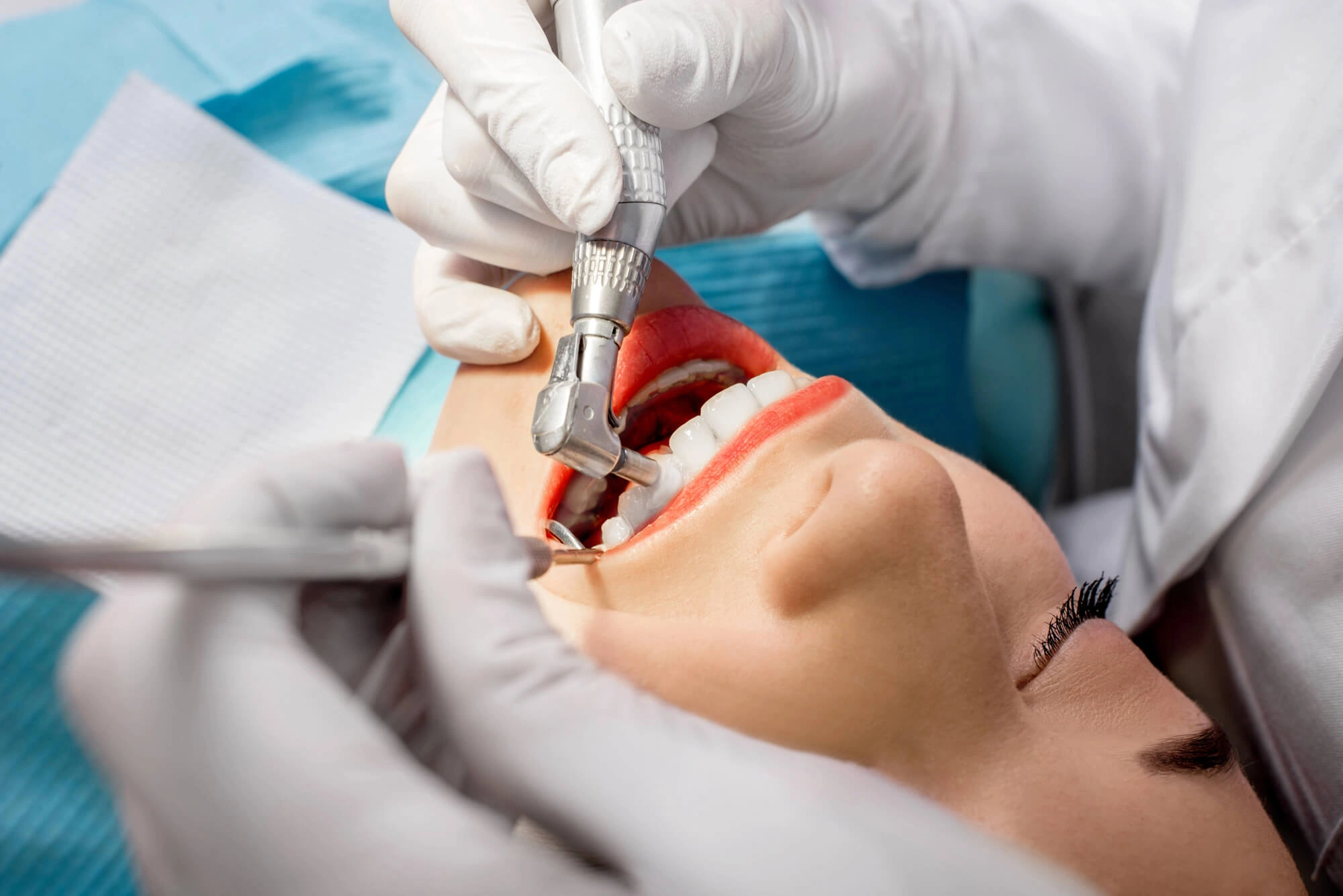
Maintaining a healthy smile requires more than brushing and flossing at home. Professional teeth cleaning removes plaque and tartar that daily care cannot eliminate, reducing the risk of cavities, gum disease, and other oral health issues. Understanding how often you really need a professional teeth cleaning helps you protect your oral health and plan your preventive care effectively.
Regular cleanings not only keep your teeth and gums healthy but also allow dental professionals to detect problems early before they become more serious. Knowing the optimal frequency for these appointments can save time, discomfort, and money in the long run.
Why Professional Teeth Cleaning Is Essential
Professional teeth cleaning goes beyond a simple polish. Plaque, the sticky film of bacteria that forms on teeth daily, can harden into tartar if not removed. Tartar buildup is not removable through brushing or flossing alone and can lead to gum inflammation, cavities, and more serious periodontal issues.
The Health Benefits of Cleanings
A professional cleaning can:
Remove plaque and tartar that accumulate above and below the gumline
Allow early detection of oral health issues such as early decay, gum disease, or oral lesions
Regular cleanings are an investment in long-term oral health, helping prevent more complex treatments in the future.
How Professional Cleanings Protect Overall Health
Oral health is closely linked to overall health. Bacteria from gum disease can enter the bloodstream and contribute to systemic inflammation, potentially impacting the heart, lungs, and other organs. By keeping gums and teeth healthy, professional cleanings help reduce these risks.
Additionally, routine cleanings encourage patients to maintain better home care, reinforcing healthy habits that benefit overall wellness.
How Often Should You Schedule a Professional Teeth Cleaning?
The standard recommendation for most patients is a professional cleaning every six months. This schedule is based on research showing that semiannual visits effectively prevent plaque and tartar buildup and allow early detection of dental issues.
However, the optimal frequency can vary depending on individual risk factors. Some patients may require more frequent visits, while others with excellent oral hygiene may need fewer.
Factors That Influence Cleaning Frequency
Several factors determine how often a patient should schedule a professional teeth cleaning:
Oral Hygiene Habits
Patients who brush twice daily, floss consistently, and use mouth rinses effectively may accumulate less plaque, potentially allowing for longer intervals between visits. However, even with perfect home care, tartar can still form and require removal.
Gum Health
Individuals with a history of gum disease, gingivitis, or periodontitis may need cleanings every three to four months to control bacterial growth and prevent further complications. More frequent visits allow your dentist to monitor pocket depths, remove hardened tartar below the gumline, and reduce inflammation before it progresses into more serious infection or bone loss.
Age and Health Conditions
Certain health conditions, such as diabetes, can increase the risk of gum disease. Older adults may also experience more dental wear and require more frequent cleanings.
Lifestyle Factors
Smoking, high sugar consumption, or irregular dental care can increase plaque buildup, necessitating more frequent cleanings. Patients with braces, dental implants, or bridges may also benefit from additional preventive visits.
Early Signs You Might Need a Cleaning Sooner
You don’t always need to wait six months if you notice:
These signs indicate that bacteria are accumulating faster than normal and a professional cleaning may be needed sooner.
What to Expect During a Professional Teeth Cleaning
Understanding the cleaning process can help patients feel comfortable and prepared. A typical cleaning involves several steps:
Oral Examination
Before cleaning, the dental professional examines teeth and gums for signs of cavities, gum disease, or other oral health issues. Early detection allows prompt treatment before problems worsen.
Removal of Plaque and Tartar
Using specialized instruments, the hygienist removes plaque and hardened tartar from both above and below the gumline. This step is essential because tartar cannot be removed with regular brushing.
Polishing and Flossing
After scaling, the teeth are polished to remove surface stains and smooth enamel. Flossing is performed to clean between teeth and remove any remaining debris.
Recommendations for Home Care
The dental team provides personalized advice on brushing, flossing, and oral hygiene products. Patients may also receive dietary guidance to reduce plaque buildup and maintain results until their next cleaning.
Common Questions About Cleaning Frequency
Can You Have a Cleaning Too Often?
While routine cleanings are important, excessive cleaning is unnecessary for most patients. Over-polishing can cause minor enamel wear or sensitivity, though this is rare. Following your dentist’s recommended schedule ensures optimal care.
Does Age Affect How Often You Should Get Cleanings?
Yes, age can influence frequency. Children may need cleanings more often if they are prone to cavities, while older adults may require additional visits due to gum recession, medication effects, or slower oral healing.
How Long Does Each Cleaning Take?
A standard cleaning typically takes 30–60 minutes, depending on plaque accumulation and whether additional treatments like fluoride or sealants are needed. Patients with more tartar buildup or periodontal issues may require longer sessions.
Maintaining Oral Health Between Cleanings
Even with regular professional care, home hygiene plays a vital role in maintaining results.
Daily Oral Care Tips
Brush teeth at least twice a day using fluoride toothpaste
Floss daily to remove plaque between teeth
Use an antimicrobial mouth rinse if recommended
Limit sugary and acidic foods that contribute to plaque buildup
Stay hydrated to maintain saliva flow, which naturally cleans teeth
Lifestyle Choices That Support Cleanings
Avoiding tobacco products and moderating alcohol intake can reduce plaque and tartar formation. Wearing a mouthguard during sports can prevent tooth injury, preserving the results of cleanings and overall dental health.
Schedule Your Professional Teeth Cleaning Today
Regular professional teeth cleaning is the cornerstone of preventive dental care. Cleanings remove plaque and tartar that brushing cannot, reduce the risk of gum disease, and help maintain a bright, healthy smile. At TLC Dental, our experienced team provides comprehensive evaluations and personalized preventive care to keep your teeth and gums in optimal health. Schedule your professional teeth cleaning now and take the first step toward long-lasting oral wellness.