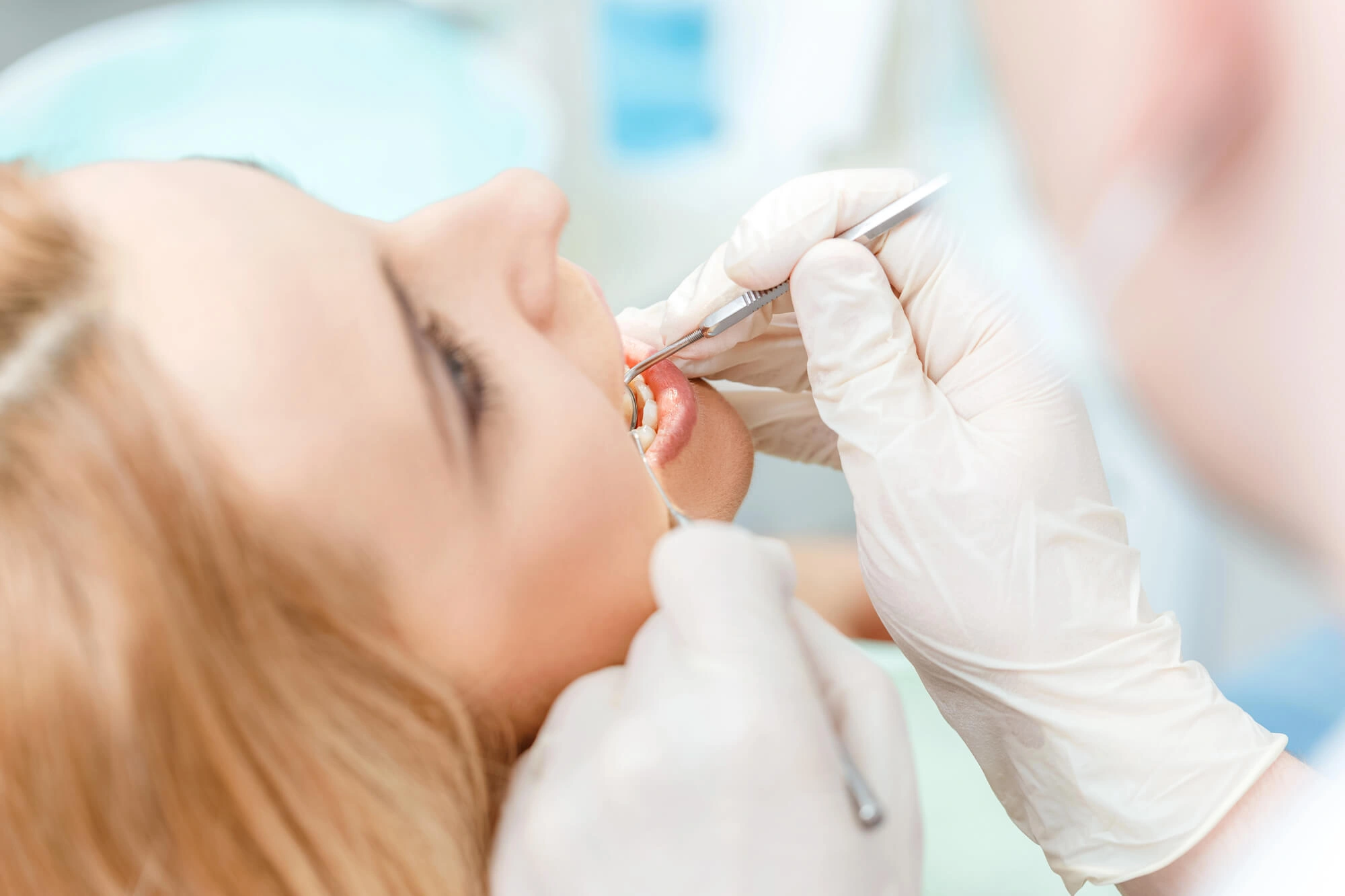
Gum disease is a common but serious oral health condition that affects the tissues and bone supporting your teeth. The right gum disease treatment depends on the stage of the infection and how much damage has occurred. From professional cleanings to advanced periodontal procedures, treatment focuses on removing infection, stopping progression, and restoring gum health.
Gum disease, also known as periodontal disease, often develops silently. Many patients do not notice symptoms until the condition has advanced. Understanding what gum disease treatment involves and seeking care early can prevent tooth loss, bone deterioration, and long-term oral health complications.
Understanding the Stages of Gum Disease
Gingivitis: The Earliest Stage
Gingivitis is the mildest and most common form of gum disease. It occurs when plaque accumulates along the gumline, leading to inflammation. Symptoms may include red, swollen gums and bleeding during brushing or flossing.
At this stage, the condition is reversible. The infection has not yet damaged the bone or connective tissues that support the teeth. With prompt professional care and improved home hygiene, gingivitis can be fully resolved.
Periodontitis: Moderate to Severe Disease
If gingivitis is not treated, it can progress to periodontitis. During this stage, the infection spreads below the gumline, forming pockets between the teeth and gums. These pockets trap bacteria and debris, making the condition worse over time.
As periodontitis advances, the supporting bone begins to break down. Teeth may become loose, gums may recede, and chronic bad breath may develop. At this stage, more intensive gum disease treatment is required to prevent tooth loss and further damage.
What Is the Treatment for Gum Disease?
The primary goal of gum disease treatment is to remove bacteria, reduce inflammation, and prevent the infection from progressing. Treatment options range from non-surgical therapies to advanced surgical procedures, depending on severity.
Professional Dental Cleaning
For patients diagnosed with gingivitis, a professional dental cleaning may be sufficient. During this visit, plaque and tartar are removed from the surfaces of the teeth and along the gumline. Because tartar cannot be removed with brushing alone, professional tools are necessary.
Once the bacteria are eliminated and patients maintain proper oral hygiene at home, the gums can heal and return to a healthy state. Regular checkups and cleanings help prevent recurrence.
Scaling and Root Planing
For early to moderate periodontitis, scaling and root planing is often recommended. This deep cleaning procedure is one of the most common non-surgical forms of gum disease treatment.
Scaling removes plaque and hardened tartar from beneath the gumline. Root planing smooths the tooth roots to discourage bacteria from reattaching. By cleaning these areas thoroughly, inflammation is reduced and periodontal pockets can shrink over time.
This procedure may require multiple appointments, especially if several areas of the mouth are affected. Local anesthesia is typically used to ensure comfort.
Antibiotic Therapy
In certain cases, antibiotics may be used alongside deep cleaning procedures. Dentists may place localized antibiotic medication directly into periodontal pockets or prescribe short-term oral antibiotics.
Antibiotics help control bacterial growth and enhance the effectiveness of scaling and root planing. However, they are rarely used alone and are most effective when combined with mechanical cleaning.
Surgical Treatment Options
When non-surgical treatments are not enough, surgical procedures may be necessary to address advanced damage.
Flap Surgery
Flap surgery, also called pocket reduction surgery, involves gently lifting the gum tissue to gain access to deep tartar deposits. After the infected material is removed, the gums are repositioned to reduce pocket depth and improve healing.
Bone Grafting
If significant bone loss has occurred, bone grafting may be recommended. This procedure uses natural or synthetic material to rebuild areas where bone has deteriorated. Bone grafts help restore support for teeth and may prevent further tooth loss.
Soft Tissue Grafting
Gum recession is a common effect of advanced gum disease. Soft tissue grafting restores lost gum tissue, protects exposed roots, reduces sensitivity, and improves the appearance of the smile.
Surgical treatments are typically reserved for severe periodontitis but can significantly improve long-term oral stability.
Common Questions About Gum Disease Treatment
Is Gum Disease Treatment Painful?
Most procedures are performed with local anesthesia to minimize discomfort. Patients may experience mild soreness after scaling and root planing, but this usually resolves within a few days. Post-treatment instructions help ensure a smooth recovery.
For surgical treatments, dentists provide guidance on managing swelling and tenderness during healing. Modern techniques and advanced tools make treatment more comfortable than many patients expect.
How Long Does Treatment Take?
The timeline varies based on the severity of the disease. Gingivitis may improve within weeks after a professional cleaning and better home care. Moderate periodontitis may require several appointments for deep cleaning and follow-up evaluations.
Patients with advanced disease may need ongoing periodontal maintenance visits every three to four months. These appointments are essential to monitor healing and prevent recurrence.
Can Gum Disease Be Completely Cured?
Gingivitis can be completely reversed with timely intervention. However, once periodontitis has caused bone loss, it cannot be fully cured. Instead, treatment focuses on managing the infection and preventing further destruction.
With consistent care and regular maintenance, many patients successfully control periodontal disease and preserve their natural teeth for years.
Causes and Risk Factors of Gum Disease
Understanding what causes gum disease can help patients take preventive action.
The primary cause is plaque buildup, which forms daily on the teeth. If not removed through brushing and flossing, plaque hardens into tartar. Bacteria within tartar irritate the gums and trigger inflammation.
Addressing these risk factors plays a major role in prevention and long-term success of treatment.
Preventing Gum Disease After Treatment
After completing gum disease treatment, maintaining results requires consistent care at home and professional monitoring.
Daily preventive steps include:
Brushing twice daily with fluoride toothpaste
Flossing once per day to remove plaque between teeth
Using an antimicrobial mouth rinse if recommended
Eating a balanced diet low in sugary foods
Avoiding tobacco products
Regular dental visits allow professionals to detect early signs of inflammation before they become severe. Periodontal maintenance cleanings are more frequent than standard cleanings because they focus on preventing reinfection in vulnerable areas.
Lifestyle adjustments, especially quitting smoking and managing systemic conditions like diabetes, can significantly improve outcomes.
When Should You Seek Treatment?
It is important to schedule an evaluation if you notice symptoms such as bleeding gums, persistent bad breath, gum tenderness, gum recession, or loose teeth. Early detection often means simpler and less invasive treatment.
Even if you are not experiencing symptoms, routine dental exams are essential. Gum disease can progress without noticeable pain, making professional evaluation critical.
Schedule Your Gum Disease Treatment Consultation Today
If you are concerned about your gum health, do not wait for symptoms to worsen. Early gum disease treatment can protect your teeth, prevent bone loss, and restore comfort and confidence in your smile. At TLC Dental, our skilled team delivers thorough periodontal assessments and personalized treatment plans tailored to your unique oral health needs. Schedule your consultation today and begin your journey toward stronger gums and lasting dental wellness.