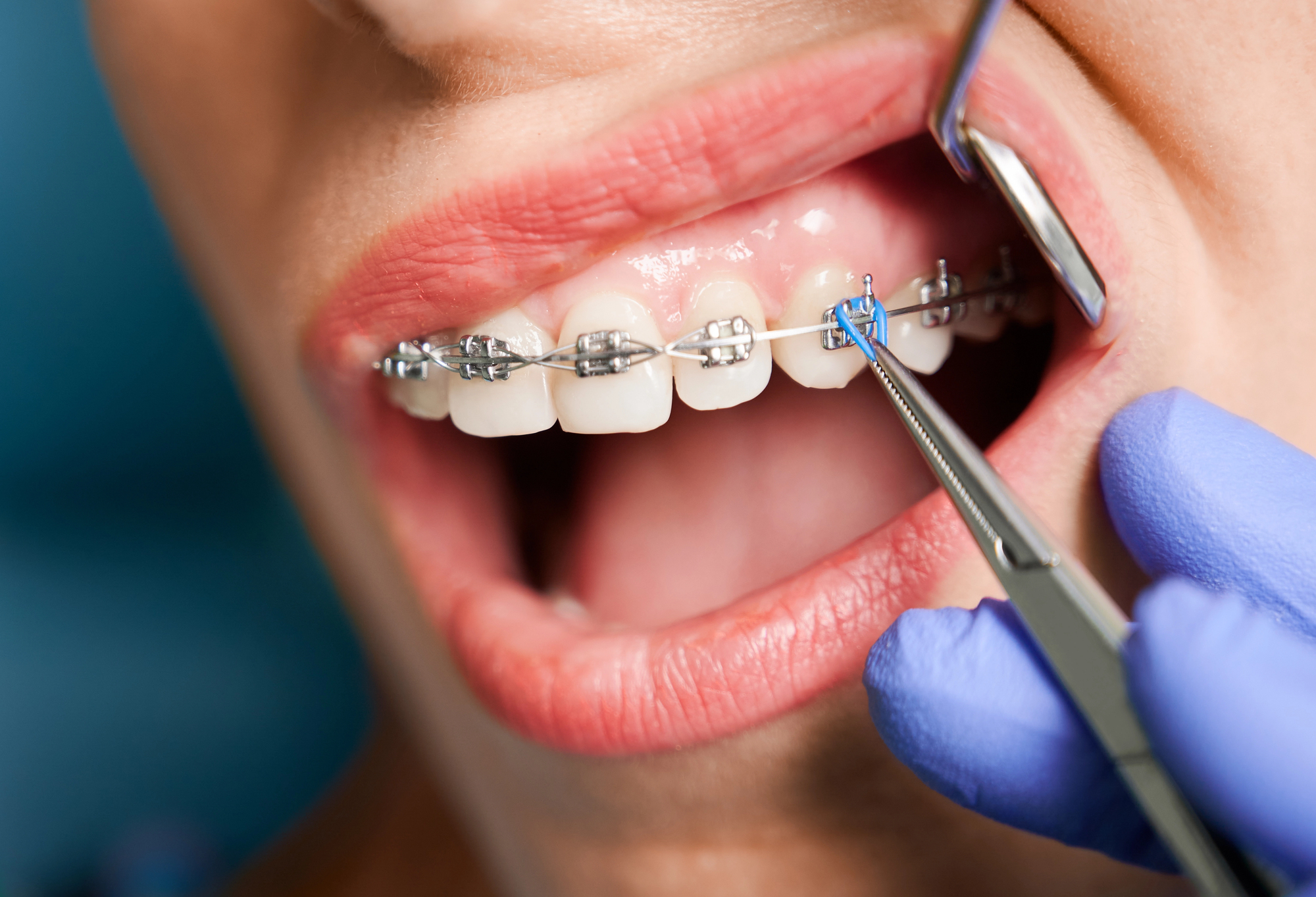
Getting braces often sparks very practical questions, especially if your calendar already includes practices, games, rehearsals, or performances. Suddenly, you need to think whether braces will interfere with a soccer season, make playing the trumpet painful, or turn a favorite hobby into a daily struggle.
Braces do change how your mouth feels and functions, particularly in the early stages. But they’re designed to work alongside real life, not replace it.
With the right protection, a few smart adjustments, and help from an orthodontist in Hollywood, most patients continue playing sports and musical instruments throughout treatment.
Playing Sports with Braces: What Patients Should Know
Can You Play Sports with Braces?
Short answer: yes. Orthodontic treatment is built to fit into everyday routines, including sports and physical activity. In fact, staying active during braces treatment is generally encouraged. Exercise supports overall health, and braces alone rarely limit what you can participate in.
That said, braces do change how your mouth reacts to impact. Brackets and wires create additional surfaces that can rub or catch during a fall or collision. A hit that might have caused a minor bump before braces can now lead to cuts on the lips or cheeks, or damage to orthodontic hardware.
Understanding these risks ahead of time helps you take simple steps to avoid unnecessary setbacks.
Different Sports, Different Risks
Not all sports carry the same level of concern during a braces treatment.
Low-contact sports, such as running, swimming, tennis, and cycling, generally pose minimal risk. They involve little direct contact with other players, so extra protection is often optional. Accidents can still happen, but serious mouth injuries are less common.
Contact or high-impact sports—including football, basketball, hockey, soccer, wrestling, and martial arts—carry a higher chance of facial contact. They place the mouth at greater risk for impact-related injuries, making protective gear especially important.
The takeaway? Sports don’t need to stop, but safety becomes part of the routine.
Mouthguards and Braces: Why They Matter
Do You Really Need a Mouthguard?
If you play a contact sport, the answer is yes. A properly fitted mouthguard acts as a cushion during impact and protects multiple areas at once. It helps shield:
Without a mouthguard, a blow to the mouth can result in broken brackets, bent wires, or painful soft-tissue injuries. These issues often require extra dental visits and can slow treatment progress.
Types of Mouthguards
Stock mouthguards: They are inexpensive and easy to find, but they tend to be bulky and poorly fitted. Protection is limited, and comfort is often an issue.
Boil-and-bite mouthguards: They offer a better fit than stock versions but can feel tight over braces and may not adapt well as teeth move.
Orthodontic mouthguards: Designed specifically to fit over brackets, they allow room for tooth movement and offer better comfort during treatment.
Custom mouthguards from your dentist: They provide the best fit, protection, and comfort, especially for athletes who play regularly or competitively.
Because teeth shift throughout braces treatment, mouthguards may need to be replaced over time to maintain a proper fit and effectiveness.
Playing Musical Instruments with Braces
Can You Still Play Instruments?
Many musicians—students and professionals alike—play instruments while wearing braces. The biggest challenge is the adjustment period, not long-term performance.
Most players notice changes early on, followed by steady improvement as the mouth adapts.
Brass and Wind Instruments
Brass instruments like trumpets and trombones, along with some woodwinds, involve direct contact between the lips, teeth, and mouthpiece.
Early challenges may include:
Lip irritation from brackets
Temporary soreness
Changes in endurance, tone, or range
These effects are common and usually temporary.
Helpful strategies include:
Practicing in shorter sessions at first
Using orthodontic wax to reduce friction
Focusing on technique and control rather than volume during the early weeks
With time, most players regain their normal sound and stamina.
Woodwind, String, and Percussion Instruments
Woodwinds: Minor embouchure adjustments may be needed, but most players adapt quickly.
String and percussion instruments: Braces typically have little to no effect on performance.
Braces may change how you practice for a while, but not whether you can play.
Common Challenges and How to Handle Them
Mouth Sores and Irritation
Brackets rubbing against the lips or cheeks can cause irritation, especially during sports or when playing instruments.
Next time you have a mouth sore or irritation, try one of the following treatments:
Some patients, particularly musicians, notice mild changes in their speech or breath control early in their braces treatment.
Brackets and wires can temporarily alter how the tongue, lips, and airflow work together, which may affect articulation or breath support at first. The changes are normal and usually short-lived.
As the mouth adjusts and muscles learn new patterns, speech and breath control tend to improve, and confidence naturally returns with regular use and practice.
Tips for Staying Active and Confident with Braces
Wear a mouthguard consistently during sports
Keep braces clean to reduce irritation and inflammation
Orthodontic care is easier to stick with when it supports your daily routine, and a few practical adjustments can help prevent more significant issues later.
Find an Orthodontist in Hollywood Who Supports Your Active Lifestyle
Braces should work around your practices, games, and performances, not the other way around. Our team at TLC Dental helps patients stay active while keeping treatment on track. Book an appointment to talk through your goals and next steps!