Why Routine Dental Checkups Matter for Children and Adults
September 14, 2026
Routine dental checkups are an important part of maintaining good oral health for both children and adults. A family dentist in South Florida can monitor your family’s teeth and gums, identify potential problems early, and provide preventive care tailored to each person’s needs. Even when your teeth feel healthy, regular dental visits can help prevent small concerns from developing into more complicated problems.
Why Are Routine Dental Checkups Important?
Many dental problems can develop gradually without causing noticeable symptoms. Cavities, gum disease, enamel damage, and other oral health concerns may not cause pain until they become more advanced. Regular checkups allow your dentist to look for these issues before they significantly affect your comfort or overall oral health.
Dental appointments are also about more than simply treating problems. Preventive visits can include professional cleanings, oral examinations, and personalized recommendations for brushing, flossing, diet, and other habits. By staying consistent with dental care, families can take a proactive approach to protecting their smiles.
Dental Checkups Help Prevent Cavities
Cavities are among the most common dental concerns affecting children and adults. Even people who brush and floss regularly can develop decay, particularly in areas that are difficult to clean thoroughly. Professional examinations can help identify early signs of tooth decay and determine whether additional preventive care is needed.
Professional cleanings also remove plaque and tartar that regular brushing may not eliminate. This can help maintain cleaner teeth and healthier gums between appointments. Your dentist can also recommend fluoride treatments or other preventive measures when appropriate.
Dental Visits Support Healthy Gums
Healthy gums are essential for maintaining a healthy smile. Plaque buildup along the gumline can contribute to inflammation and, if left untreated, may progress to gum disease. Routine dental visits allow your dentist to check for signs such as redness, swelling, bleeding, or gum recession.
Adults in particular may benefit from consistent periodontal monitoring as they age. However, children should also learn that healthy gums are an important part of oral hygiene. Establishing good habits early can make proper gum care a natural part of their daily routine.
Why Are Dental Checkups Especially Important for Children?
Children’s mouths change rapidly as they grow. Baby teeth eventually give way to permanent teeth, while the jaw and bite continue developing throughout childhood and adolescence. Regular dental visits allow a dentist to monitor these changes and identify concerns that may affect a child’s long-term oral health.
Dental appointments can also help children become comfortable with professional dental care. Familiarity with the dental environment may make future visits less stressful and help children develop positive attitudes toward oral health. Parents can support this process by treating dental visits as a normal part of their child’s healthcare routine.
Early Detection of Dental Problems
Children may not always recognize or communicate when something is wrong with their teeth. A cavity, developing bite problem, or other concern may be difficult for a child to notice on their own. Routine examinations allow the dental team to identify these issues even when there are no obvious symptoms.
Early treatment can also be less complicated than waiting until a problem becomes advanced. For example, detecting tooth decay early may allow the dentist to recommend appropriate treatment before the affected tooth experiences more extensive damage. Therefore, regular visits play an important role in maintaining a child’s developing smile.
Monitoring Tooth and Jaw Development
As children grow, their teeth and jaws undergo significant changes. A dentist can monitor how permanent teeth are erupting and look for signs of crowding, spacing, or bite concerns. If an orthodontic evaluation appears appropriate, the dentist can recommend that parents seek further assessment at the right time.
Monitoring development does not necessarily mean that every child will need orthodontic treatment. Instead, it allows potential concerns to be recognized and evaluated as the child grows. This can give parents a better understanding of their child’s dental development and available options.
Why Should Adults Continue Routine Dental Visits?
Adults sometimes skip dental appointments when they are not experiencing pain. However, the absence of discomfort does not necessarily mean that your teeth and gums are completely healthy. Regular examinations remain important because some dental conditions can progress quietly before noticeable symptoms develop.
Adults may also experience changes in their oral health due to aging, medications, lifestyle habits, previous dental work, or other factors. Routine visits allow the dentist to monitor these changes. Maintaining preventive care can help protect natural teeth and identify problems before they require more extensive treatment.
Dental Care Becomes More Important With Age
As people get older, they may become more susceptible to certain oral health concerns. Existing fillings, crowns, or other restorations may also need to be monitored over time. Regular checkups allow your dentist to assess both your natural teeth and previous dental work.
Older adults may also experience dry mouth, gum recession, tooth sensitivity, or other changes that can affect oral health. Discussing these changes with a dental professional can help identify appropriate strategies for managing them. Continuing routine appointments throughout adulthood supports long-term dental health.
What Happens During a Routine Dental Checkup?
A routine appointment generally involves an examination of your teeth, gums, and overall oral health. Depending on your individual needs, your dentist may also recommend dental X-rays to identify problems that cannot be seen during a visual examination. A professional cleaning may be performed to remove plaque and tartar buildup.
Your dentist may also discuss any symptoms or concerns you have noticed since your previous appointment. These conversations can help your dental team personalize recommendations based on your current oral health. If a problem is identified, your dentist can explain the available treatment options and answer your questions.
What Should You Do Between Appointments?
Dental checkups work best when they are combined with consistent daily oral hygiene. Families can protect their smiles between appointments by practicing simple habits every day.
Important habits include:
Brush twice a day with fluoride toothpaste.
Floss or clean between your teeth daily.
Drink water regularly.
Limit frequent sugary snacks and beverages.
Replace toothbrushes when the bristles become worn.
Follow your dentist’s recommendations.
Contact your dental office if you notice unusual pain, swelling, or sensitivity.
These habits can help reduce the risk of common dental problems and support the benefits of professional preventive care. Parents can also help younger children develop these routines by supervising brushing and making oral hygiene part of their daily schedule.
How Often Should Children and Adults See a Dentist?
The appropriate frequency of dental appointments can vary depending on a person’s oral health, risk factors, age, and treatment needs. Some patients may benefit from routine visits twice a year, while others may require more frequent monitoring. Your dentist can recommend an appointment schedule based on your individual circumstances.
The most important thing is to avoid waiting until a dental emergency occurs before seeking care. Regular appointments make it easier to monitor changes over time and address concerns earlier. Families can also simplify their dental care by making routine appointments part of their regular healthcare schedule.
Make Dental Checkups a Family Priority
Routine dental checkups provide children and adults with an opportunity to prevent problems, maintain healthy teeth and gums, and receive personalized guidance. Children benefit from early monitoring and positive dental experiences; adults can protect their natural teeth and existing restorations through ongoing preventive care.
Making dental visits a regular family habit can support healthier smiles for years to come.
Visit a Family Dentist in South Florida for Your Family’s Dental Care
Whether you are scheduling your child’s first routine visit or keeping up with your own preventive care, regular dental appointments are an important investment in your family’s oral health. TLC Dental provides comprehensive dental care designed to help patients maintain healthy, confident smiles at every stage of life.
Common Root Canal Myths Patients Should Stop Believing
September 9, 2026
Root canals often have a reputation for being painful, complicated, or something to avoid at all costs. However, modern root canal therapy is designed to relieve pain caused by infection and preserve a natural tooth whenever possible. If you are experiencing persistent tooth pain, top dentists in Fort Lauderdale can evaluate the problem and determine whether root canal treatment may be appropriate.
Why Do Root Canals Have Such a Bad Reputation?
Much of the fear surrounding root canals comes from outdated experiences and misconceptions about the procedure. Patients may associate root canal treatment with severe pain because the tooth requiring treatment is often already inflamed or infected. In reality, the purpose of treatment is to remove the source of the infection and help restore the tooth to comfortable function.
What Is Actually Involved in Root Canal Therapy?
A root canal focuses on treating the inside of a tooth when its pulp becomes infected or severely inflamed. The pulp contains nerves and blood vessels and can become damaged by deep decay, cracks, trauma, or repeated dental procedures. Once the pulp is affected, treatment may be necessary to prevent the infection from progressing.
During treatment, the dentist removes infected or damaged pulp from inside the tooth, cleans and disinfects the space, and seals it to help prevent reinfection. Once the tooth is restored, patients can generally return to normal activities while continuing to care for their teeth.
Common Misconceptions About Root Canal Treatment and Recovery
Myth #1: Root Canals Are Extremely Painful
One of the most common misconceptions is that getting a root canal is one of the most painful dental procedures. Modern dental techniques and local anesthesia are used to help make the procedure comfortable for most patients. In many cases, the pain patients associate with a root canal actually comes from the infection or inflammation that existed before treatment.
After treatment, some tenderness or sensitivity may occur as the surrounding tissues recover. This discomfort is generally manageable and should gradually improve. If pain becomes severe or does not improve, contact your dentist so the treated tooth can be evaluated.
Myth #2: Extraction Is Better Than a Root Canal
Some people believe that removing an infected tooth is always easier or better than saving it. While extraction may sometimes be necessary, preserving a natural tooth is often preferable when the tooth can be successfully treated. A root canal allows the dentist to remove infected tissue while preserving the remaining tooth structure.
Keeping a natural tooth can also help maintain normal chewing and prevent neighboring teeth from shifting into the empty space. If a tooth is extracted, replacement options such as a dental implant or bridge may be necessary depending on the situation. Your dentist can explain the advantages and limitations of each option based on the condition of your tooth.
Myth #3: Root Canals Remove the Entire Tooth
A root canal does not involve removing the entire tooth. Instead, the dentist accesses the inside of the tooth and removes the infected or damaged pulp tissue. The canals are then cleaned, shaped, and sealed before the tooth is restored.
The goal is to preserve as much of the natural tooth as possible. Depending on the amount of remaining tooth structure, a dental crown or another restoration may be recommended to provide additional protection. Proper restoration can help the treated tooth function properly in your normal bite.
Myth #4: You Only Need a Root Canal If Your Tooth Hurts
Tooth pain is a common reason people seek dental care, but pain is not always present when a tooth requires root canal treatment. Some infections may develop with few noticeable symptoms, particularly in their earlier stages. A dentist may discover a problem during a routine examination or through dental X-rays.
Possible signs of a tooth infection or pulp damage can include:
Persistent toothache
Sensitivity to hot or cold
Pain when biting or chewing
Swelling around the tooth
Tender or swollen gums
Tooth discoloration
A recurring pimple or drainage near the gums
Not every tooth with these symptoms necessarily requires a root canal. A professional examination is necessary to determine the underlying cause and identify the appropriate treatment.
Myth #5: You Cannot Eat Normally After a Root Canal
Patients can generally return to eating once their dentist says it is safe. However, extra care may be necessary immediately after treatment. If the mouth is still numb from anesthesia, avoiding food until normal sensation returns can help prevent accidental biting of the cheek or tongue. Your dentist may also recommend avoiding hard or sticky foods until the final restoration has been placed.
Once the tooth has been properly restored, it can typically be used for normal chewing. Following your dentist’s instructions about eating and oral hygiene can help protect the treated tooth during recovery. If a temporary restoration has been placed, taking extra care until the permanent restoration is completed is especially important.
Myth #6: A Root Canal Means the Tooth Is No Longer Healthy
A tooth that has undergone root canal therapy no longer contains living pulp tissue, but that does not mean it cannot continue functioning normally. The tooth can remain in the mouth and continue to function in chewing after it has been properly cleaned, sealed, and restored. Maintaining good oral hygiene remains important for protecting the treated tooth and surrounding tissues.
The treated tooth can still be affected by decay, gum disease, or other dental problems if oral hygiene is neglected. Regular brushing, flossing, professional cleanings, and dental examinations remain important. A root canal addresses the damaged pulp, but it does not eliminate the need for ongoing dental care.
Myth #7: Antibiotics Can Always Cure a Tooth Infection
Antibiotics can be useful in certain situations, particularly when a dental infection has spread and systemic symptoms are present. However, antibiotics alone generally do not remove infected pulp from inside a tooth. When the pulp is irreversibly damaged or infected, definitive dental treatment may still be needed.
A dentist can determine whether antibiotics are appropriate based on your symptoms and overall condition. Taking medication without addressing the underlying dental problem may only provide temporary relief. Proper diagnosis is important for determining the most effective way to manage the infection.
Trust Our Top Dentists in Fort Lauderdale for Root Canal Care
Knowing the facts about root canal therapy can help you feel more confident about seeking treatment when you need it. If you have symptoms of an infected or damaged tooth, do not let fear or outdated myths keep you from getting professional care. TLC Dental provides root canal therapy and can evaluate your tooth to determine the most appropriate next step.
Schedule an appointment with TLC Dental today to discuss your symptoms and learn whether root canal treatment can help protect your natural tooth and restore your oral health.
How to Care for Your Teeth During Invisalign Treatment
September 7, 2026
Keeping your teeth clean is especially important when undergoing Invisalign® in Coral Springs because aligners fit closely over your teeth for much of the day. While clear aligners can provide a discreet way to straighten your smile, they can also trap food particles and bacteria against your teeth if proper hygiene is overlooked. Brushing, flossing, cleaning your aligners, and following your dentist’s instructions can help protect your teeth throughout treatment.
Why Oral Hygiene Matters During Invisalign Treatment
Invisalign® aligners are designed to fit snugly over your teeth, which helps apply gentle pressure to gradually move them into better positions. However, wearing an aligner over teeth that have not been properly cleaned can keep bacteria and food debris from adhering to the enamel. Over time, this may contribute to plaque buildup, bad breath, tooth decay, or gum problems.
Unlike traditional braces, clear aligners can generally be removed when eating and drinking. This makes it easier to maintain your normal oral hygiene routine, but it also means you need to be consistent about cleaning your teeth before putting your aligners back in. A few extra minutes of daily care can make a meaningful difference in maintaining your oral health while your smile is being straightened.
Brush Your Teeth Before Putting Your Aligners Back In
Brushing after meals is one of the most important habits to develop during aligner treatment. Food particles and sugars left on your teeth can become trapped beneath your aligners, creating an environment where bacteria can thrive. Ideally, brush your teeth before replacing your aligners after eating.
Use a soft-bristled toothbrush and fluoride toothpaste to gently clean all tooth surfaces. Pay particular attention to the gumline, areas between teeth, and any spaces where food tends to collect. If you cannot brush immediately after eating, rinsing your mouth thoroughly with water can be a helpful temporary step until you can brush properly.
Floss Every Day
Brushing alone cannot effectively clean between teeth, making daily flossing an important part of your routine. This is especially relevant during orthodontic treatment because shifting teeth can change the spaces between them over time. Removing plaque and food debris from these areas can help support healthier gums and reduce the risk of cavities.
Floss at least once each day, preferably before bedtime. Traditional dental floss, floss picks, or other interdental cleaning tools may be used, depending on what works best for you. If your dentist has recommended a specific technique or product, follow those instructions throughout your treatment.
Keep Your Invisalign Aligners Clean
Taking care of your teeth is only part of maintaining good oral hygiene during clear aligner treatment. Your aligners also need regular cleaning because they can accumulate saliva, bacteria, and residue throughout the day. Clean aligners can feel fresher and may help reduce unpleasant odors.
Rinse Your Aligners Regularly
Whenever you remove your aligners, rinse them with cool or lukewarm water before putting them back in. This can help remove saliva and loose debris from their surfaces. Avoid using very hot water because excessive heat may affect the shape and fit of the aligners.
It is also helpful to rinse your aligners before placing them back into your mouth after eating. Keeping them clean throughout the day can make your treatment experience more comfortable and hygienic. Always handle your aligners carefully when removing or inserting them to avoid unnecessary damage.
Clean Your Aligners as Recommended
Your dental provider can recommend an appropriate method for cleaning your specific aligners. Avoid using abrasive products or cleaning methods that could scratch the plastic, since scratches can make the aligners appear cloudy and create additional areas where debris may collect. Follow the cleaning instructions provided by your dental team rather than experimenting with household cleaning products.
When you remove your aligners to eat, place them in their protective case rather than wrapping them in a napkin. This helps prevent accidental loss or damage and keeps the aligners away from potentially contaminated surfaces. Make sure the case itself is cleaned regularly as well.
Be Careful About What You Eat and Drink
One advantage of removable aligners is that you can take them out when eating. This means you generally do not have the same food restrictions associated with brackets and wires. However, what you eat and drink can still affect your teeth and your overall oral health during treatment.
Remove Aligners Before Eating
Unless your dental provider specifically tells you otherwise, remove your aligners before eating meals and snacks. Eating with aligners can damage them or trap food particles between the aligners and your teeth. After eating, clean your teeth as thoroughly as possible before putting the aligners back in.
Drinking plain water while wearing your aligners is generally the safest option. Other beverages can contain sugar, acids, or pigments that may contribute to tooth discoloration or decay when they remain on the teeth. If you drink anything other than water, follow your dental provider’s recommendations on whether to remove and clean your aligners afterward.
Limit Sugary and Acidic Foods
A healthy diet supports healthy teeth regardless of whether you are undergoing orthodontic treatment. Frequent consumption of sugary foods and drinks can increase the risk of cavities, while acidic beverages and foods can contribute to enamel erosion. Choosing water and balanced meals more often can help protect your teeth as they gradually move.
Consider limiting frequent snacking throughout the day, particularly on sticky or sugary foods. If you do enjoy these foods, brushing your teeth afterward can help minimize how long sugars and acids remain on your teeth. Maintaining these habits can benefit your smile long after orthodontic treatment is finished.
Follow Your Aligner Wear Schedule
Your aligners need to be worn according to the schedule provided by your dental professional. Taking them out for meals and hygiene is expected, but wearing them for significantly less time than recommended may interfere with your treatment progress. Consistency helps ensure that your teeth receive the intended pressure needed for gradual movement.
Make it easier to stay on schedule by developing a routine around meals, brushing, and bedtime. Keep your aligner case with you when you are away from home so you have a safe place to store the trays when eating. If you accidentally lose or damage an aligner, contact your dental office for guidance rather than making changes to your treatment plan yourself.
Watch for Changes in Your Teeth and Gums
Some temporary pressure or mild discomfort can occur when switching to a new set of aligners. However, persistent pain, significant gum irritation, swelling, or other unusual symptoms should not simply be ignored. Paying attention to changes in your mouth allows potential problems to be addressed promptly.
Check your teeth and gums regularly when brushing and flossing. Look for areas of redness, swelling, bleeding, unusual sensitivity, or changes in the appearance of your teeth. If something seems unusual or does not improve, contact your dental provider so the issue can be evaluated.
Keep Your Regular Dental Appointments
Orthodontic appointments are important for monitoring how your teeth are responding to treatment. Regular general dental visits are also valuable because orthodontic treatment does not replace preventive dental care. Professional cleanings and examinations can help identify cavities, gum concerns, or other oral health issues that may develop during treatment.
Your dental team can also assess your progress and determine whether your aligners are fitting properly. Keeping scheduled appointments gives your provider an opportunity to make recommendations based on your individual needs. Following the complete treatment plan can help you stay on track toward your desired smile.
What Should You Keep in Your Invisalign Care Kit?
Having a few essential items with you can make it easier to maintain your oral hygiene when you are away from home. A small care kit can be especially useful at school, work, while traveling, or when eating at restaurants. Being prepared can help you avoid leaving your aligners in for extended periods without cleaning your teeth.
Consider keeping these items together:
Toothbrush and fluoride toothpaste
Dental floss or an interdental cleaning tool
Aligner case
Water for rinsing when needed
Recommended aligner cleaning supplies
A small travel-sized oral hygiene kit
Keeping these supplies accessible makes it easier to maintain your routine throughout the day. The goal is not to make dental care complicated but to make healthy habits convenient and consistent.
Common Invisalign Care Mistakes to Avoid
One common mistake is putting aligners back over unclean teeth after eating. Another is cleaning aligners with extremely hot water or abrasive products that may affect their appearance or condition. Forgetting to wear aligners for the recommended amount of time can also interfere with treatment progress.
Another mistake is assuming that clear aligners eliminate the need for routine dental care. Even though the trays are removable, your teeth and gums still need regular professional attention. Following your provider’s recommendations can help reduce preventable problems and support a healthier smile throughout the process.
Make the Most of Your Invisalign Treatment
Caring for your teeth during clear aligner treatment can be simple with consistent brushing, flossing, cleaning your aligner, and regular dental visits. Following your recommended wear schedule and maintaining healthy eating habits can also help keep your treatment on track.
TLC Dental can provide personalized guidance and professional support throughout your smile journey. Schedule a consultation to learn more about caring for your teeth and achieving a healthy, confident smile with Invisalign.
*Invisalign®, the Invisalign logo, and iTero®, among others, are trademarks and/ or service marks of Align Technology, Inc. or one of its subsidiaries or affiliated companies and may be registered in the U.S. and/or other countries.
What Parents Should Know About Composite Fillings for Children
September 2, 2026
Composite fillings can restore children’s teeth affected by cavities while preserving a natural-looking smile. Understanding how they work, when they are needed, and how to care for them can help parents make informed decisions about their child’s oral health.
Children can develop cavities even when parents encourage regular brushing and healthy eating habits. A pediatric dentist in Coral Springs can identify tooth decay early and recommend treatments such as composite fillings to restore damaged teeth. These tooth-colored fillings repair cavities while blending naturally with the surrounding tooth structure, making them a practical option for many children.
What Are Composite Fillings for Children?
Composite fillings are dental restorations made from a tooth-colored resin material. They are placed inside a tooth after a dentist removes the decayed portion, helping restore the tooth’s shape, strength, and function. Because composite material can be closely matched to the natural color of the tooth, fillings are much less noticeable than traditional metal-colored restorations.
For children, preserving healthy tooth structure is especially important because their teeth play an essential role in eating, speaking, and maintaining proper spacing. Treating a cavity with a filling can prevent decay from progressing deeper into the tooth. Early treatment may also help reduce the likelihood of more extensive dental procedures later.
Why Do Children Need Fillings?
Cavities are one of the most common dental problems affecting children. They develop when bacteria in the mouth interact with sugars and starches, producing acids that gradually weaken tooth enamel. Without treatment, a small area of decay can become larger and eventually affect the inner portions of the tooth.
A child may need a filling if a dentist identifies a cavity that cannot be managed through preventive care alone. Some children may not experience noticeable symptoms in the early stages, which is why routine dental examinations are important. Regular visits allow dental professionals to detect developing cavities before they cause significant discomfort.
What Are the Benefits of Composite Fillings?
Composite fillings offer several benefits that can make them suitable for children’s dental restorations. Their natural appearance is one of the biggest advantages, particularly when the filling is placed in a visible tooth. The material can also bond directly to the tooth, allowing the dentist to restore the affected area while preserving as much healthy tooth structure as possible.
Other potential benefits include:
Natural-looking tooth color
Restoration of damaged tooth structure
Support for normal chewing function
Ability to bond with the tooth surface
Less noticeable appearance than metal-colored fillings
Restoration of teeth affected by cavities or minor damage
The best restoration depends on the child’s individual dental needs. A dentist can evaluate the location and size of the cavity, the condition of the tooth, and the child’s overall oral health before recommending a treatment.
What Happens During a Composite Filling Appointment?
Knowing what to expect can make a dental visit feel less intimidating for children and parents. During the appointment, the dentist first examines the affected tooth and determines the extent of the decay. Once treatment is recommended, the area is prepared so the damaged portion can be removed and the tooth restored.
Step-by-Step Filling Process
The first step is usually to numb the area around the affected tooth when necessary. The dentist then carefully removes the decayed portion, cleans the area, and prepares the remaining tooth for the composite material. The filling is placed into the prepared space and shaped to fit the tooth properly.
A special light is commonly used to harden the composite material. The dentist then checks the restoration and makes adjustments so the child’s bite feels comfortable. Although the exact process can vary depending on the tooth and the child’s needs, many fillings can be completed during a single appointment.
Will a Composite Filling Hurt?
Parents often worry that their child will experience pain during cavity treatment. Modern dental techniques are designed to make the procedure as comfortable as possible, and local anesthesia can help prevent discomfort during the procedure. Children may notice pressure, sounds, or sensations during treatment, but the dentist can explain each step in an age-appropriate way.
After the appointment, some temporary sensitivity may occur, particularly when eating or drinking very hot or cold foods. This generally improves as the tooth adjusts to the restoration. If a child experiences persistent pain, increasing sensitivity, or discomfort when biting, parents should contact the dental office for an evaluation.
How Should Children Care for Composite Fillings?
A filling does not make a tooth immune to future cavities. The area surrounding a restoration can still develop decay if plaque and bacteria are not properly controlled. Good daily oral hygiene is therefore essential for helping a filling and the surrounding tooth remain healthy.
Brush and Floss Regularly
Children should brush their teeth consistently using fluoride toothpaste appropriate for their age. Parents may need to supervise or assist younger children to ensure that all tooth surfaces are cleaned thoroughly. Flossing is also important because food particles and plaque can accumulate between teeth where a toothbrush cannot reach effectively.
Limit Frequent Sugary Snacks
The frequency of sugar exposure can contribute to the development of cavities. Instead of allowing children to snack on sugary foods or drinks throughout the day, parents can encourage balanced meals and tooth-friendly snacks. Drinking water throughout the day can also help rinse away food particles and maintain a healthier oral environment.
Keep Routine Dental Visits
Regular dental appointments allow the dentist to monitor existing fillings and identify new areas of decay. Children’s teeth can change quickly as they grow, so ongoing dental care is an important part of maintaining their oral health. Professional cleanings and preventive treatments can also complement daily brushing and flossing.
When Should Parents Contact a Dentist About a Child’s Tooth?
Parents should schedule a dental evaluation if they notice tooth sensitivity, visible discoloration, a hole in a tooth, pain when chewing, or persistent tooth discomfort. However, it is not necessary to wait until symptoms appear before seeking care. Cavities can develop without obvious signs, especially during their early stages.
A dentist can examine the child’s teeth and determine whether preventive care, a composite filling, or another treatment is appropriate. Addressing decay early can help preserve more of the natural tooth and reduce the possibility of complications. Regular examinations are particularly valuable for children because they allow their dental development to be monitored over time.
Schedule a Visit to a Pediatric Dentist in Coral Springs for Your Child’s Dental Care
Choosing the right dental provider can make a significant difference in how comfortable a child feels about receiving dental treatment. Parents should look for a dental team that communicates clearly, creates a welcoming environment, and considers the child’s individual needs. A positive dental experience can also help children develop healthy attitudes toward oral care as they grow.
Composite fillings are one of the many ways dentists can treat cavities while maintaining the appearance and function of a child’s teeth. With regular dental visits, proper brushing and flossing, and thoughtful eating habits, children can have a stronger foundation for long-term oral health. TLC Dental can help families understand their child’s treatment options and provide personalized care designed around their dental needs. Schedule your appointment today.
How Long Do Dental Implants Last With Proper Care?
August 18, 2026
Dental implants are designed to provide a durable, long-term solution for missing teeth. For patients considering dental implants in Hollywood, understanding how long implants can last and what affects their lifespan can help them make informed decisions about their oral health. With proper care, regular dental visits, and healthy habits, dental implants can potentially last for decades or even a lifetime.
How Long Do Dental Implants Last?
Dental implants can last for decades when they are properly placed and maintained. In some cases, the implant post itself may last a lifetime. However, a dental implant consists of several components, and each component can have a different lifespan.
The implant post is typically made from titanium or another biocompatible material and is surgically placed into the jawbone. Once healing occurs, the implant can become securely integrated with the surrounding bone. This provides a stable foundation for the replacement tooth.
The crown attached to the implant may not last quite as long. Depending on factors such as oral hygiene, bite pressure, materials, and daily habits, an implant crown may eventually need to be repaired or replaced.
How Long Does an Implant Crown Last?
An implant crown may last around 10 to 15 years or longer with proper care. However, there is no exact expiration date because every patient uses and maintains their restoration differently.
Daily chewing, teeth grinding, poor oral hygiene, and certain habits can contribute to normal wear and tear. If the crown becomes worn or damaged, it may be possible to replace the crown without removing the implant itself.
Why Are Dental Implants So Durable?
One reason dental implants can provide long-term results is their ability to integrate with the jawbone. This process, known as osseointegration, allows the implant to become firmly supported by the surrounding bone.
Unlike removable dentures, which rest on the gums, implants are anchored in the jaw. This stability can help them withstand normal chewing forces while providing support for a replacement tooth.
What Factors Affect How Long Dental Implants Last?
Although dental implants are designed to be durable, several factors can affect their long-term success. Proper care begins before the implant is placed and continues throughout the patient's lifetime.
Oral Hygiene
Good oral hygiene is one of the most important factors in maintaining an implant. Plaque and bacteria can accumulate around the gumline and affect the tissues surrounding the implant.
Patients should brush twice a day and clean between their teeth daily. Keeping the gums healthy can help protect the foundation supporting the implant.
Gum and Bone Health
Healthy gums and adequate jawbone support are important for implant stability. Patients who have experienced significant bone loss may require additional treatment before receiving dental implants.
After treatment, maintaining healthy gums remains important. Problems affecting the tissues around an implant can potentially compromise its long-term stability if they are not addressed.
Regular Dental Checkups
Dental implants still require professional care even after they have fully healed. Regular checkups allow a dentist to examine the implant, crown, gums, and surrounding structures.
Routine appointments can also help identify potential problems early. Addressing issues before they become more serious may help protect the implant and its restoration.
Lifestyle Habits
Certain habits can place excessive pressure on an implant or its crown. Smoking can negatively affect oral health and healing, while chewing on hard objects can damage the restoration.
Patients should also avoid using their teeth to open packages or regularly biting down on extremely hard foods or objects.
How Can You Make Dental Implants Last Longer?
Caring for dental implants is similar to caring for natural teeth. Although an implant crown cannot develop cavities like a natural tooth, the surrounding gums and bone still need consistent care.
Maintain a Daily Cleaning Routine
A good oral hygiene routine can help reduce plaque buildup and keep the tissues around the implant healthy.
Helpful habits include:
Brush your teeth twice a day.
Clean between your teeth every day.
Use a soft-bristled toothbrush unless your dentist recommends another option.
Follow your dentist's personalized care instructions.
Consistent home care is one of the simplest ways to support the longevity of your dental implant.
Protect Your Teeth From Excessive Pressure
Dental implants are strong, but they are not indestructible. Habits such as chewing ice, biting fingernails, or opening packages with your teeth can damage the crown.
Teeth grinding and clenching can also place excessive pressure on dental restorations. If you grind your teeth, speak with your dentist about whether a custom nightguard may be appropriate.
Follow Post-Treatment Instructions
After implant placement, following your dentist's instructions is especially important. Proper care during the healing period can support successful integration between the implant and jawbone.
Once healing is complete, continue following your dental team's recommendations for cleaning, checkups, and maintenance.
Dental implants have a high potential for long-term success, but complications can sometimes occur. Implant failure may be associated with problems such as poor healing, inadequate bone support, infection, excessive pressure, or poor oral hygiene.
Recognizing potential warning signs can help patients seek treatment sooner.
What Are the Signs of an Implant Problem?
Contact your dentist if you experience unusual symptoms around an implant, such as:
Persistent pain or discomfort
Swelling around the implant
Bleeding or irritated gums
Difficulty chewing
A loose crown or implant
Changes in your bite
Damage or cracking of the crown
A loose crown does not automatically mean that the implant has failed. The crown, abutment, and implant are separate components, so a dentist will need to determine exactly where the problem is occurring.
Are Dental Implants a Good Long-Term Investment?
For many patients, dental implants can be a long-term solution for replacing missing teeth. Their stability can make eating and speaking more comfortable while helping restore the appearance of the smile.
Compared with removable dentures, implants are anchored into the jaw and do not need to be removed for daily use. They can also help provide stimulation to the jawbone, which may help limit bone loss following tooth loss.
However, dental implants are not automatically the right choice for everyone. A dentist must evaluate factors such as bone density, gum health, overall oral health, and the location of the missing tooth before recommending treatment.
How Can You Maximize Your Implant's Lifespan?
The best way to protect a dental implant is to treat it as a long-term investment in your oral health. Maintain good hygiene, attend regular dental appointments, avoid damaging habits, and address problems as soon as they appear.
With consistent care, an implant can remain functional for many years. Although the crown may eventually require replacement, maintaining the underlying implant and surrounding tissues can help preserve the overall restoration.
Frequently Asked Questions
1. Can dental implants last a lifetime?
Yes. With proper placement and consistent care, the implant post can potentially last a lifetime, although the crown may eventually need replacement.
2. How often do dental implants need to be replaced?
The implant itself may not need replacement for many years or potentially for life. The crown may need replacement after approximately 10 to 15 years or longer.
3. Can poor oral hygiene shorten an implant's lifespan?
Yes. Poor oral hygiene can allow plaque and bacteria to accumulate around the implant, potentially affecting the surrounding gums and bone.
4. Can I eat normally with dental implants?
After the implant has fully healed, most patients can eat normally. Your dentist will provide specific instructions during the healing period.
5. Do dental implants require special maintenance?
Dental implants require regular brushing, cleaning between the teeth, professional dental visits, and any additional care recommended by your dentist.
Schedule Your Appointment for Dental Implants in Hollywood
Dental implants can offer a durable solution for missing teeth, with the implant post potentially lasting for decades or even a lifetime. However, long-term success depends on proper placement, healthy gums and bone, good oral hygiene, regular dental care, and protecting the restoration from unnecessary pressure.
If you are considering dental implants or want to learn whether they are appropriate for your needs, schedule a consultation with TLC Dental. A dental professional can evaluate your oral health, discuss your treatment options, and help you create a personalized plan for a healthy, confident smile.
A Complete Guide to Healthy Teeth for Growing Children
August 17, 2026
Healthy teeth play an important role in a child’s development, from eating and speaking comfortably to building confidence as their permanent smile develops. Working with a pediatric dentist in Hollywood can help parents understand their child’s changing dental needs and establish good oral hygiene habits early. With regular dental visits, proper brushing, a balanced diet, and preventive care, families can help protect their children’s smiles throughout childhood.
Why Healthy Teeth Matter During Childhood
Children’s teeth do much more than help them chew food. Baby teeth support clear speech, make it easier for children to eat properly, and help maintain the space needed for permanent teeth. Although these teeth are temporary, keeping them healthy can contribute to a child’s comfort and overall oral development.
Dental problems during childhood can interfere with everyday activities. Tooth decay may cause pain or sensitivity that makes eating, sleeping, or concentrating more difficult. Regular dental care helps identify concerns early and gives parents the opportunity to address problems before they become more complicated.
When Should Your Child First Visit the Dentist?
Parents should generally schedule their child’s first dental visit around the time the first tooth appears or by the child’s first birthday. An early appointment allows the dentist to examine developing teeth and gums while giving parents practical guidance about oral hygiene. It also introduces children to the dental environment before they develop a reason to associate dental visits with pain or discomfort.
Early visits are primarily focused on prevention and education. The dentist can discuss brushing techniques, fluoride use, nutrition, pacifier habits, thumb-sucking, and other factors that may affect developing teeth. Starting early also creates a baseline for monitoring how a child’s smile changes over time.
How Often Should Children Visit the Dentist?
Many children benefit from dental checkups approximately every six months, although the recommended schedule can vary based on individual needs. Children who are at higher risk for cavities or have existing dental concerns may need more frequent appointments. Following the schedule recommended by the dental professional allows potential problems to be monitored consistently.
Regular visits can include examinations and professional cleanings designed to support preventive oral care. These appointments give dental professionals an opportunity to look for cavities, gum concerns, enamel changes, and developing bite problems. Consistent monitoring can make it easier to catch changes before they require more extensive treatment.
Building a Strong Oral Hygiene Routine at Home
A child’s dental health depends heavily on what happens between professional appointments. Parents should help children establish a routine of brushing twice a day with fluoride toothpaste appropriate for their age. Younger children often need assistance because they may not yet have the coordination to clean every surface of their teeth effectively.
As children grow, parents can gradually encourage them to become more independent with brushing while continuing to supervise when necessary. Brushing should reach the front, back, and chewing surfaces of the teeth, along with the gumline. Once teeth begin touching each other, flossing should also become part of the daily routine to clean areas a toothbrush cannot reach.
Choosing the Right Toothbrush and Toothpaste
A child’s toothbrush should be comfortable to hold and have soft bristles that can gently clean the teeth and gums. Replacing the toothbrush when the bristles become worn can help maintain effective cleaning. Parents should also make sure children use an appropriate amount of fluoride toothpaste based on their age and dental professional’s recommendations.
Young children may not understand why they should brush thoroughly, so making the routine enjoyable can help. Parents can brush alongside their children, use a simple timer, or create a consistent morning and bedtime routine. The goal is to make oral hygiene a normal part of everyday life rather than something children view as a chore.
Food and beverages can have a significant effect on a child’s dental health. Frequent exposure to sugary foods and drinks can increase the risk of tooth decay because oral bacteria use sugars to produce acids that can damage tooth enamel. Encouraging balanced meals and limiting sugary snacks can help support healthier teeth.
Parents can choose nutritious snacks such as fresh vegetables, fruits, cheese, or other options appropriate for their child. Water is also a good everyday beverage because it does not contain added sugar and can help rinse food particles from the mouth. Establishing healthier eating habits during childhood can benefit both oral health and overall wellness.
Habits That Can Affect Developing Teeth
Certain childhood habits can influence the way teeth and jaws develop. Prolonged thumb-sucking or pacifier use, for example, may affect the alignment of the teeth when the habit continues beyond the recommended age. Parents should discuss persistent habits with a dental professional rather than attempting to stop them through punishment or pressure.
Teeth can also be affected by habits such as chewing on hard objects or using the teeth to open packages. These behaviors may increase the risk of chips, cracks, or other dental injuries. Teaching children that their teeth are meant for eating and speaking can help them develop safer habits as they grow.
The Role of Preventive Dental Care
Preventive dental care focuses on protecting teeth before serious problems develop. Depending on a child’s needs, professional care may include dental examinations, cleanings, fluoride treatments, or sealants. These services can complement daily brushing and flossing by providing additional protection for developing teeth.
Dental sealants may be especially helpful for protecting the grooves and pits of back teeth where food particles and plaque can become trapped. Fluoride treatments may also help strengthen enamel and reduce the risk of cavities when recommended by a dental professional. A personalized preventive plan allows parents to understand which services are appropriate for their child.
Signs Your Child May Need Dental Care
Parents should pay attention to changes that could indicate a dental concern, even when a child has a routine appointment scheduled. Some dental problems may not cause obvious symptoms at first, so regular examinations remain important. Contacting a dental professional promptly can help determine whether a symptom requires treatment.
Common signs to watch for include:
Toothache or persistent mouth discomfort
Sensitivity when eating or drinking
Swollen, red, or bleeding gums
White, brown, or dark spots on the teeth
A chipped, cracked, or damaged tooth
Persistent bad breath
Difficulty chewing or eating
Pain or swelling around a tooth
Children may not always know how to describe dental discomfort accurately. Parents can therefore watch for changes in behavior, eating habits, sleep, or willingness to brush. Addressing unusual symptoms early can help prevent minor concerns from becoming more serious.
Making Dental Visits Comfortable for Children
A positive dental experience can shape how children view oral health for years to come. Parents can prepare children by explaining that the dentist checks their teeth and helps keep their smile healthy without using frightening descriptions. Reading children’s books about dental visits or talking about what will happen beforehand can also make the experience feel more familiar.
Parents should also avoid using dental appointments as a threat or punishment. Staying calm and positive can help children feel more secure, especially during their first few visits. With consistent appointments and supportive communication, children can gradually become more comfortable participating in their own dental care.
Choosing the Right Dental Care for Your Child
Choosing the right dental provider is an important part of maintaining a child’s oral health. Parents should look for a practice that emphasizes prevention, provides age-appropriate care, and takes time to explain recommendations clearly. A trusted dental team can work with families to monitor developing teeth and address concerns as children move through different stages of growth.
Healthy teeth begin with simple habits that are practiced consistently. Combining daily brushing and flossing, nutritious food choices, regular professional cleanings, and routine dental examinations can give children a strong foundation for lifelong oral health. If you are looking for comprehensive preventive dental care for your child, TLC Dental can help your family support a healthy, growing smile through every stage of development.
Schedule a Visit with a Pediatric Dentist in Hollywood
Give your child’s growing smile the attention it deserves with regular preventive dental care and professional guidance. Contact TLC Dental to learn more about children’s dental cleanings, examinations, and preventive care options for your child.
Wisdom teeth may need to be removed when they are impacted, causing pain, damaging nearby teeth, contributing to infection, or creating other oral health concerns. A dentist in FT, Lauderdale can evaluate the position and development of your wisdom teeth and determine whether extraction is appropriate.
Wisdom teeth are the last set of molars to develop, usually appearing during the late teenage years or early adulthood. Some people have enough room for these teeth to grow normally, while others experience problems because the jaw does not have enough space. When wisdom teeth cannot erupt properly, they may become impacted or contribute to crowding, infection, and damage to neighboring teeth.
Not everyone needs wisdom teeth extraction. The decision depends on the tooth's position, development, symptoms, and potential impact on surrounding structures. Regular dental examinations and appropriate imaging can help determine when treatment may be beneficial.
When Should Wisdom Teeth Be Removed?
Wisdom teeth are commonly recommended for removal when they are causing current problems or are likely to create significant oral health concerns. Your dentist or oral surgeon may recommend extraction after evaluating the teeth and surrounding bone.
Pain or Discomfort
Persistent pain around the back of the mouth can be a sign that a wisdom tooth is not erupting properly. Pain may occur because the tooth is pressing against surrounding structures or because inflammation has developed around the gums.
While occasional discomfort during eruption may occur, ongoing or worsening pain should be evaluated rather than ignored.
Impacted Wisdom Teeth
An impacted wisdom tooth is unable to fully emerge into its normal position. It may remain partially covered by gum tissue or become trapped beneath the gum or bone.
Impaction can occur when the tooth grows at an angle toward the neighboring molar, backward toward the jaw, or in another position that prevents normal eruption.
Impacted teeth may be more difficult to clean and can increase the risk of certain dental complications.
What Problems Can Wisdom Teeth Cause?
Even when wisdom teeth are not currently painful, their position may create conditions that increase the likelihood of future problems. Your dentist may recommend monitoring them or removing them depending on their development and risk factors.
A partially erupted wisdom tooth can create a pocket where food and bacteria become trapped. This may lead to inflammation or infection around the tooth.
Symptoms can include swollen gums, tenderness, unpleasant taste, bad breath, or difficulty opening the mouth. Repeated infections may be a reason to consider extraction.
Damage to Nearby Teeth
An improperly positioned wisdom tooth can press against the second molar beside it. Depending on the angle and position of the wisdom tooth, this pressure may contribute to decay, gum problems, or damage to the neighboring tooth.
Removing a problematic wisdom tooth can help protect the surrounding area from further complications.
Does Everyone Need Wisdom Teeth Extraction?
No. Some people have wisdom teeth that erupt normally, remain healthy, and can be cleaned effectively. In these cases, extraction may not be necessary.
A dentist may instead recommend monitoring the teeth during regular dental visits. X-rays can help track their position and development even when the teeth have not fully erupted.
When Monitoring May Be Appropriate
Keeping wisdom teeth may be reasonable when they:
Have enough room to erupt properly
Are positioned normally
Can be cleaned effectively
Are not causing pain or infection
Are not damaging neighboring teeth
Have healthy surrounding gum tissue
Your dental provider can reassess the teeth over time because their position and condition may change.
Why Is Timing Important?
The timing of wisdom teeth removal varies from person to person. Dentists often evaluate wisdom teeth during the teenage years and early adulthood because this is when their development and eruption can be assessed.
Removing problematic wisdom teeth before they cause significant complications may sometimes make treatment more straightforward. However, age alone does not determine whether extraction is necessary.
What Does the Evaluation Involve?
A wisdom teeth evaluation typically includes an examination of the gums and teeth, along with dental imaging when appropriate. X-rays can show whether wisdom teeth are impacted, how they are positioned, and whether they are affecting nearby structures.
Your dentist can then explain whether removal, monitoring, or another approach is appropriate.
What Happens During Wisdom Teeth Removal?
The extraction process depends on whether the wisdom teeth have fully erupted and how difficult they are to access.
A fully erupted tooth may sometimes be removed through a relatively straightforward extraction. An impacted tooth may require a surgical extraction, during which the dentist or oral surgeon accesses the tooth through the gum and, when necessary, carefully removes surrounding bone or divides the tooth into sections.
The appropriate approach depends on the tooth's position and the patient's individual needs.
Is Wisdom Teeth Removal Painful?
Patients receive appropriate anesthesia during the procedure to keep them comfortable. Afterward, some soreness, swelling, or tenderness is expected as the mouth heals.
Your dental team will provide aftercare instructions based on the type of extraction performed.
How Should You Prepare for Wisdom Teeth Removal?
Your dentist or oral surgeon will explain how to prepare based on the type of anesthesia and procedure planned. You may receive instructions regarding eating, drinking, medications, transportation, and what to bring to the appointment.
Before the procedure, tell your dental provider about medications, supplements, allergies, and relevant medical information so the treatment plan can be prepared appropriately.
What Can You Expect During Recovery?
Recovery varies depending on how many teeth are removed and whether the extraction is simple or surgical. Swelling and discomfort are common during the initial healing period and generally improve with time.
Following your provider's instructions can support proper healing. These instructions may include recommendations about oral hygiene, food choices, physical activity, and protecting the extraction site.
What Should You Eat After Wisdom Teeth Removal?
Immediately after extraction, soft foods may be easier to eat because the surgical area can be tender. Your dentist will provide specific recommendations based on your procedure.
Common options may include:
Yogurt
Applesauce
Mashed potatoes
Smooth soups that are not hot
Soft scrambled eggs
Smoothies consumed without a straw
Avoid foods that are hard, crunchy, or difficult to chew while the extraction site is healing. Your dental provider can tell you when it is appropriate to gradually return to your normal diet.
What Are the Warning Signs After Extraction?
Some discomfort and swelling are expected after wisdom teeth removal. However, certain symptoms may require prompt attention.
Contact your dental provider if you experience severe or worsening pain, significant swelling, persistent bleeding, fever, or other symptoms that concern you. Following the aftercare instructions and attending recommended follow-up appointments can help your dental team monitor your recovery.
Can Wisdom Teeth Be Removed at the Same Time?
In some cases, multiple wisdom teeth can be removed during one appointment. Whether this is appropriate depends on the position of the teeth, the patient's oral health, and the treatment plan.
Removing multiple problematic teeth at once may allow the patient to complete treatment in a single surgical period, but the decision should be made after a professional evaluation.
How Can You Know If Your Wisdom Teeth Need Removal?
The only reliable way to determine whether wisdom teeth should be removed is through a professional dental evaluation. Symptoms such as pain or swelling can provide important clues, but some problematic wisdom teeth may cause no symptoms at all.
Regular dental visits allow your provider to monitor developing wisdom teeth and identify concerns before they become more serious. Imaging can provide additional information about teeth that are still beneath the gumline.
Choose a dentist in FT, Lauderdale for Wisdom Teeth Care
Wisdom teeth should not automatically be removed simply because they are present. However, impacted, infected, painful, or damaging wisdom teeth may require extraction to protect your oral health. TLC Dental provides oral and maxillofacial surgical care, including wisdom teeth extractions, with treatment based on each patient's individual needs. Schedule an evaluation to determine whether your wisdom teeth should be monitored or removed.
Cleft lip and cleft palate treatment usually involves a long-term, coordinated approach that may include surgery, dental care, speech therapy, orthodontics, and other specialized services. Because each child's needs are different, treatment is typically planned around the severity of the cleft, the child's age, growth, and overall health. A dentist in Coral Springs, FL can also play an important role in supporting oral health throughout the treatment process.
Cleft lip and cleft palate are among the most common birth differences affecting the structures of the mouth and face. A cleft occurs when certain tissues do not fully join during development before birth. A child may have a cleft lip, cleft palate, or both. The condition can affect feeding, speech, hearing, tooth development, and facial growth, making comprehensive care important.
Treatment does not consist of one procedure or appointment. Instead, children often receive care from several specialists who work together as they grow.
What Is Cleft Lip and Cleft Palate?
A cleft lip is an opening or separation in the upper lip that develops when the tissues forming the lip do not completely fuse. A cleft palate occurs when the tissues forming the roof of the mouth do not fully join.
These conditions can vary significantly. Some children have a small opening, while others have a cleft that extends through a larger portion of the lip or palate.
How Can Cleft Conditions Affect a Child?
The effects depend on the type and severity of the cleft. Some children may experience difficulties with:
Not every child experiences all of these concerns. A personalized treatment plan helps address the specific needs that arise throughout development.
How Is Cleft Lip Treated?
Cleft lip is generally treated surgically to close the separation and improve the structure and appearance of the upper lip. The timing of surgery varies according to the child's health, the severity of the cleft, and the treatment plan established by the child's medical team.
Cleft Lip Repair
During cleft lip repair, a surgeon carefully brings the separated tissues together. The procedure is designed to restore continuity of the lip while supporting normal function and facial development.
Following surgery, the child may need follow-up appointments to monitor healing and development. In some cases, additional procedures may be recommended as the child grows.
What Happens as the Child Grows?
Cleft care is often a long-term process. A child may require additional surgical or dental treatment as facial structures mature. The treatment team monitors changes over time and adjusts the plan when necessary.
The goal is not only to close the opening but also to support healthy facial development, function, speech, and oral health.
How Is Cleft Palate Treated?
Cleft palate is commonly treated with surgery to close the opening in the roof of the mouth. Closing the palate can support feeding, speech development, and separation between the oral and nasal cavities.
Palate Repair Surgery
During palate repair, the surgeon repositions and joins the tissues that form the roof of the mouth. The exact technique and timing depend on the child's individual anatomy and treatment plan.
After surgery, follow-up care is important. The child's healthcare team may monitor healing, speech development, hearing, and facial growth.
Why Is Speech Therapy Sometimes Needed?
The palate plays an important role in producing speech sounds. Some children with cleft palate may have difficulty developing certain sounds or may develop speech patterns that require additional support.
A speech-language pathologist can evaluate the child's communication and provide therapy when appropriate. Speech treatment may continue as the child develops and begins using more complex language.
What Role Does Dental Care Play?
Dental care is an important part of long-term cleft treatment. Children with cleft conditions may have missing, extra, malformed, or improperly positioned teeth near the cleft area. These concerns can affect chewing, oral hygiene, and the alignment of permanent teeth.
Children with cleft conditions benefit from the same basic preventive habits as other children, including brushing with fluoride toothpaste, cleaning between teeth when appropriate, and receiving professional dental care.
However, additional attention may be needed around the cleft area because irregular tooth positioning can make cleaning more difficult.
A dental professional can provide age-appropriate recommendations for brushing techniques, fluoride use, and other preventive measures.
When Does Orthodontic Treatment Begin?
Orthodontic care is another important component of cleft treatment. Because cleft conditions can affect the development and position of the teeth and jaw, orthodontists may monitor tooth eruption and facial growth over several years.
Early Orthodontic Evaluation
An orthodontic evaluation can help determine how the teeth are developing and whether there is enough space for permanent teeth to erupt properly. Treatment is not necessarily started immediately. Instead, the orthodontist monitors development and determines when intervention would provide the greatest benefit.
Orthodontics and the Cleft Area
Some children may require orthodontic treatment to improve the alignment of teeth around the cleft. In certain cases, orthodontic care may also be coordinated with surgical procedures involving the jaw or bone.
Because timing can be important, communication between the orthodontist, surgeon, dentist, and other specialists helps keep treatment coordinated.
What Other Specialists May Be Involved?
Cleft lip and cleft palate treatment often involves several healthcare professionals rather than a single provider. The exact team depends on the child's needs.
A multidisciplinary team may include:
Oral and maxillofacial surgeons
Plastic surgeons
Pediatric dentists
Orthodontists
Speech-language pathologists
Ear, nose, and throat specialists
Pediatricians
Audiologists
Genetic counselors
Psychologists or other support professionals
Each specialist contributes to a different aspect of the child's care. Working together can help the team address both immediate concerns and long-term development.
How Does Treatment Change With Age?
Cleft treatment is generally planned around developmental milestones. Infancy may focus on feeding and early medical needs, while later stages may involve surgery, dental monitoring, orthodontics, speech therapy, and other services.
Infancy and Early Childhood
During infancy, feeding support may be necessary, particularly when a cleft palate makes it difficult for a baby to create normal suction. Healthcare professionals can recommend specialized feeding techniques or equipment when needed.
Cleft lip and palate surgeries are often performed during early childhood, although exact timing varies.
School-Age Years
As children grow, dental and speech concerns may become more apparent. Routine dental visits, orthodontic monitoring, and speech evaluations can help identify issues that need attention.
Children may also become more aware of differences in appearance or speech during school years. Appropriate emotional and social support can be an important part of comprehensive care.
Adolescence and Beyond
Some patients may require additional procedures during adolescence as their jaws and facial structures mature. Orthodontic treatment may continue, and some individuals may need corrective jaw surgery or other procedures.
Long-term dental care remains important even after major surgical treatment is complete.
Why Is Follow-Up Care Important?
Cleft lip and cleft palate treatment is not considered complete simply because a surgical opening has been closed. The child's teeth, jaws, speech, hearing, and facial structures continue to develop.
Regular follow-up appointments allow the care team to monitor these changes and address problems as they arise.
Parents can support their child's treatment by:
Keeping scheduled appointments
Following post-surgical care instructions
Maintaining daily oral hygiene
Encouraging healthy eating habits
Attending recommended speech or orthodontic evaluations
Communicating new symptoms or concerns to the care team
Consistent follow-up can help ensure that treatment evolves with the child's changing needs.
How Can Parents Support Oral Health at Home?
Good oral hygiene is particularly important for children with cleft conditions. Parents should help young children brush their teeth and gradually teach them to take responsibility for their own oral care.
A dentist can demonstrate effective cleaning techniques, especially when teeth are crowded, rotated, or positioned near the cleft.
Parents should also watch for signs of dental problems, including tooth sensitivity, persistent discomfort, swollen gums, or difficulty cleaning specific areas. Bringing these concerns to the attention of the dental team can help prevent small problems from becoming more complicated.
Visit a dentist in Coral Springs, FL for Cleft-Related Dental Care
Cleft lip and cleft palate treatment is a long-term process that may involve surgery, dental care, orthodontics, speech therapy, and several other forms of specialized support. Coordinating these services throughout childhood can help address functional, developmental, and oral health needs as they arise. TLC Dental provides dental care that can be an important part of maintaining oral health for patients with complex dental needs. Schedule an appointment to discuss your child's dental health and develop an appropriate plan for ongoing care.
Taking your child to a pediatric dentist in Tamarac is one of the best ways to support their long-term oral health. Regular dental visits do more than keep teeth clean—they help prevent cavities, monitor healthy development, and teach children positive oral hygiene habits that can last a lifetime. Understanding what happens during a dental appointment can also ease any anxiety you or your child may have, making each visit a positive experience.
What Happens During Your Child's Dental Visit?
A child's dental appointment is designed to be comfortable, educational, and preventive. Every step of the visit focuses on protecting your child's oral health while helping them feel safe and confident in the dental chair.
A Friendly Welcome and Initial Check-In
The visit usually begins with a warm greeting from the dental team. Creating a welcoming environment helps children feel relaxed, especially if it's their first appointment.
Regular examinations allow dental problems to be identified early, often before they become painful or require more extensive treatment. Monitoring how the teeth and jaws develop also helps ensure your child's smile is growing as expected.
Even children who brush and floss every day can develop plaque in hard-to-reach areas. If plaque isn't removed, it hardens into tartar, which cannot be cleaned away with a toothbrush at home.
During the cleaning, a dental hygienist or dentist will:
Remove plaque and tartar buildup
Carefully clean around the gumline
Polish the teeth to remove surface stains
Floss between each tooth
Rinse away any remaining debris
The cleaning leaves teeth feeling smooth and fresh while reducing the risk of cavities and gum disease.
Fluoride Treatment and Preventive Care
Depending on your child's age and oral health, the dentist may recommend a fluoride treatment.
Fluoride strengthens tooth enamel, making teeth more resistant to decay. The treatment is quick, painless, and provides added protection between dental visits.
Some children may also benefit from dental sealants. These thin protective coatings are placed on the chewing surfaces of back teeth to help prevent food and bacteria from becoming trapped in deep grooves where cavities often develop.
The dentist will explain whether these preventive treatments are appropriate for your child.
Why Regular Dental Cleanings Are Essential for Children
Professional dental cleanings are about much more than making teeth look clean. They are a key part of preventive dentistry and help support healthy smiles throughout childhood.
They Help Prevent Cavities
Cavities are one of the most common childhood dental problems, but they're also highly preventable.
Daily brushing and flossing are important, but they cannot always remove every bit of plaque. Regular cleanings eliminate buildup before it causes tooth decay.
By preventing cavities early, children are less likely to experience toothaches, infections, or the need for restorative dental treatments later.
They Support Healthy Gums
Healthy gums provide the foundation for healthy teeth.
When plaque builds up near the gumline, it can irritate the gums and lead to inflammation. Professional cleanings remove these deposits, helping keep the gums healthy as your child grows.
Healthy gums also support the proper eruption and stability of permanent teeth.
They Monitor Growth and Development
Children's mouths change quickly as baby teeth fall out and permanent teeth come in.
Routine dental visits allow the dentist to monitor:
Detecting these issues early often makes future treatment simpler and more effective.
They Encourage Good Oral Hygiene Habits
Dental appointments are valuable learning opportunities.
The dentist and hygienist can show children proper brushing and flossing techniques while encouraging healthy habits at home. Children who understand why oral hygiene matters are often more motivated to take care of their teeth every day.
Parents also receive guidance on supporting their child's oral health through proper nutrition, daily hygiene routines, and preventive care.
Preparing your child ahead of time can help make the experience more enjoyable and less stressful.
Here are a few simple tips:
Speak positively about visiting the dentist.
Explain that the dentist helps keep teeth healthy and strong.
Avoid using words that may create fear or anxiety.
Schedule appointments when your child is well-rested.
Encourage brushing before leaving for the appointment.
Bring a favorite stuffed animal or comfort item if it helps your child relax.
Allow your child to ask questions before the visit.
A calm, positive approach helps children build confidence and develop a healthy attitude toward dental care.
How Often Should Children Have Dental Cleanings?
Most children benefit from visiting the pediatric dentist every six months for routine examinations and professional cleanings.
However, every child is unique. Some children may need more frequent visits depending on factors such as:
Previous cavities
Higher risk of tooth decay
Orthodontic appliances
Medical conditions affecting oral health
Special healthcare needs
Your dentist will recommend a schedule that best supports your child's individual needs.
Keeping up with routine appointments helps ensure that small concerns are addressed before they become larger problems.
Why Positive Dental Experiences Matter
Children who have pleasant dental experiences are more likely to continue prioritizing oral health as they grow older.
Positive visits help children:
Feel comfortable during future appointments
Build trust with their dental team
Develop confidence in caring for their teeth
Reduce fear or anxiety about dental care
Establish lifelong preventive habits
When children learn that visiting the dentist is a normal part of staying healthy, they are more likely to maintain those habits well into adulthood.
Schedule an Appointment with a Pediatric Dentist in Tamarac
Routine dental visits are one of the most effective ways to protect your child's smile, prevent cavities, and encourage lifelong healthy habits. From comprehensive examinations and professional cleanings to preventive treatments and personalized guidance, every appointment plays an important role in supporting your child's oral health. If you're ready to help your child maintain a healthy, confident smile, the caring team at TLC Dental provides gentle preventive care tailored to every stage of childhood. Schedule an appointment today and give your child the foundation for a lifetime of healthy smiles.
Deep tooth infections require prompt treatment to relieve pain, protect your oral health, and save your natural tooth whenever possible. If you're experiencing persistent tooth pain, swelling, or sensitivity, visiting a dentist in Hollywood, FL, can help prevent the infection from worsening. Understanding how dentists diagnose and treat deep tooth infections can help you seek care before complications develop.
Understanding Deep Tooth Infections
A deep tooth infection occurs when bacteria reach the inner part of a tooth, known as the dental pulp. The pulp contains nerves, blood vessels, and connective tissue that keep the tooth healthy. Once bacteria enter this area, the infection can spread quickly, causing pain and inflammation.
Without treatment, the infection may extend beyond the tooth and into the surrounding gums, jawbone, or other areas of the body.
What Causes a Deep Tooth Infection?
Several dental problems can allow bacteria to enter the tooth's pulp.
Maintaining good oral hygiene and scheduling routine dental visits can help reduce the risk of developing these problems.
Common Symptoms to Watch For
The symptoms of a deep tooth infection can vary depending on its severity. Some people experience mild discomfort at first, while others develop sudden, intense pain.
If you notice any of these symptoms, it's important to seek dental care promptly. Early treatment often leads to better outcomes and may help preserve your natural tooth.
How Dentists Diagnose a Deep Tooth Infection
Before recommending treatment, the dentist performs a comprehensive evaluation to determine the source and extent of the infection.
Dental Examination
The dentist begins by discussing your symptoms and reviewing your dental history. During the examination, they will carefully inspect the affected tooth, surrounding gums, and nearby teeth for signs of infection or damage.
The dentist may also gently tap on the tooth or ask you to bite down to identify areas of tenderness.
Dental X-Rays
Dental X-rays are an important diagnostic tool because they reveal problems that cannot be seen during a visual examination.
X-rays can help identify:
Infection near the tooth's root
Bone loss
Deep decay
Hidden cracks
The extent of damage inside the tooth
This information allows the dentist to recommend the most appropriate treatment plan.
How Dentists Treat Deep Tooth Infections
Treatment depends on how advanced the infection is and whether the affected tooth can be saved.
Root Canal Therapy
One of the most common and effective treatments for a deep tooth infection is root canal therapy.
Fills and seals the canals to prevent future infection.
Restores the tooth with a filling or crown if needed.
Many people believe root canals are painful, but modern techniques and local anesthesia make the procedure similar in comfort to receiving a dental filling. The goal is to eliminate infection while preserving your natural tooth.
Drainage of a Dental Abscess
If the infection has formed an abscess, the dentist may drain it to remove accumulated pus and relieve pressure.
Draining the abscess helps reduce pain and swelling, but additional treatment—such as a root canal—is usually needed to eliminate the source of the infection.
Tooth Extraction
Sometimes the infection is too extensive to save the tooth.
In these cases, removing the tooth may be the healthiest option to prevent the infection from spreading further. After extraction, your dentist can discuss tooth replacement options that restore your smile and chewing function.
Antibiotics
Antibiotics may be prescribed when the infection has spread beyond the tooth or when significant swelling is present.
While antibiotics help control bacterial infection, they do not remove infected tissue inside the tooth. They are often used alongside dental treatment rather than as a replacement for it.
What Happens After Treatment?
Recovery depends on the type of treatment performed, but most patients return to normal activities within a day or two.
Following your dentist's instructions helps promote healing and reduce discomfort.
Tips for a Smooth Recovery
After treatment, you may be advised to:
Take medications exactly as prescribed.
Avoid chewing on the treated tooth until it has been fully restored.
Most mild soreness improves within a few days and gradually resolves as the area heals.
Why You Shouldn't Delay Treatment
Ignoring a deep tooth infection can lead to serious oral health complications.
As bacteria continue to spread, the infection may damage surrounding bone, affect neighboring teeth, or cause facial swelling. In rare cases, untreated dental infections can spread to other parts of the body and become a serious medical concern.
Seeking treatment early offers several important benefits:
Relieves pain sooner
Increases the chance of saving the natural tooth
Prevents the infection from spreading
Reduces the need for more complex dental procedures
Protects your long-term oral health
Prompt care is always the best approach when dealing with signs of infection.
Can Deep Tooth Infections Be Prevented?
Although not every infection is avoidable, many can be prevented with consistent oral care.
Treating cavities promptly before they become severe
Wearing a mouthguard during sports if recommended
Preventive care allows dentists to detect small problems before they develop into painful infections that require more extensive treatment.
Visit a dentist in Hollywood, FL, for Expert Treatment
A deep tooth infection should never be ignored. Early diagnosis and prompt treatment can relieve discomfort, stop the infection from spreading, and help preserve your natural tooth whenever possible. Whether you need a thorough evaluation, root canal therapy, or another restorative treatment, the experienced team at TLC Dental is committed to providing compassionate care tailored to your needs. Schedule your appointment today to protect your oral health and restore your healthy smile.








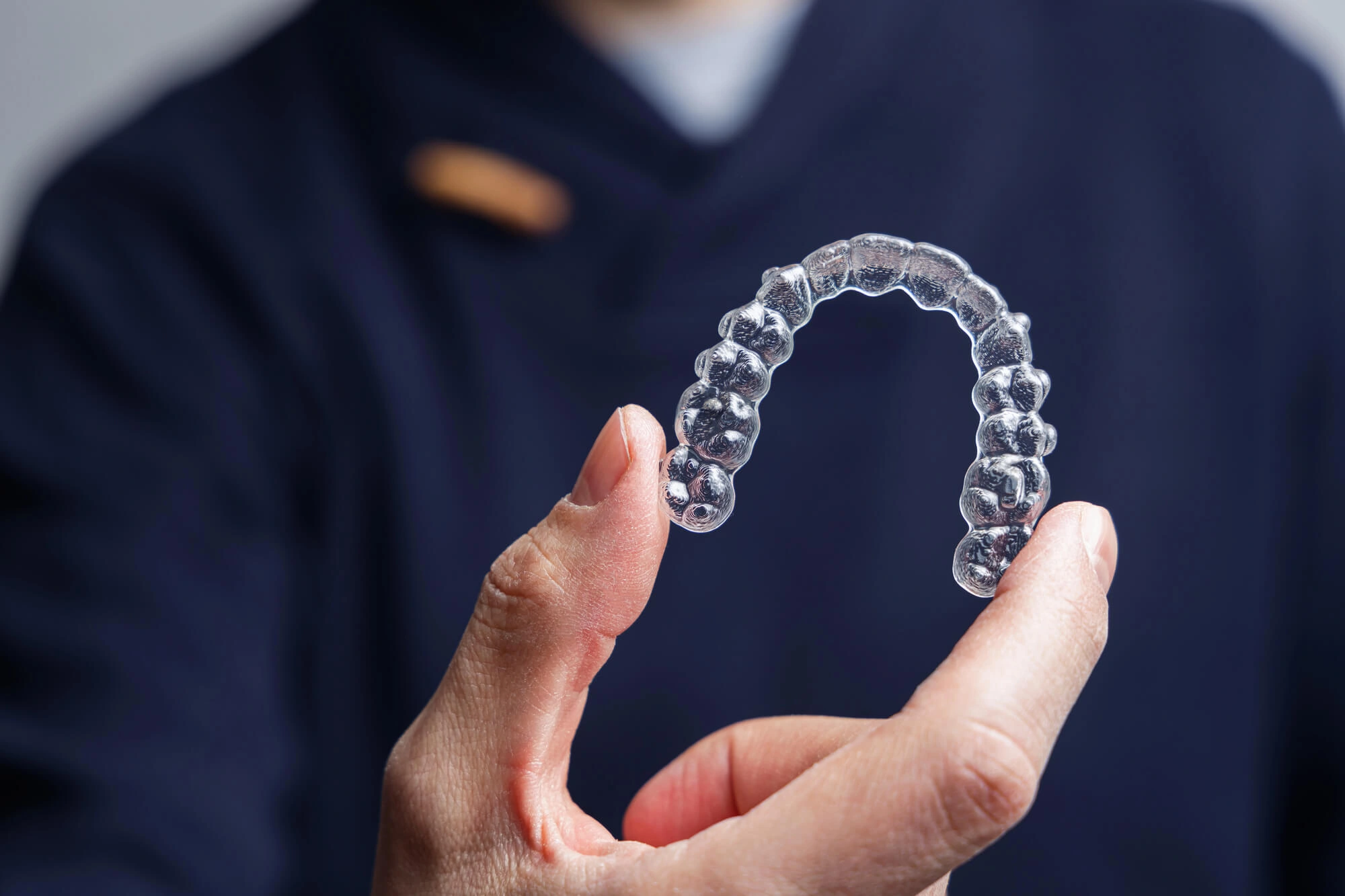

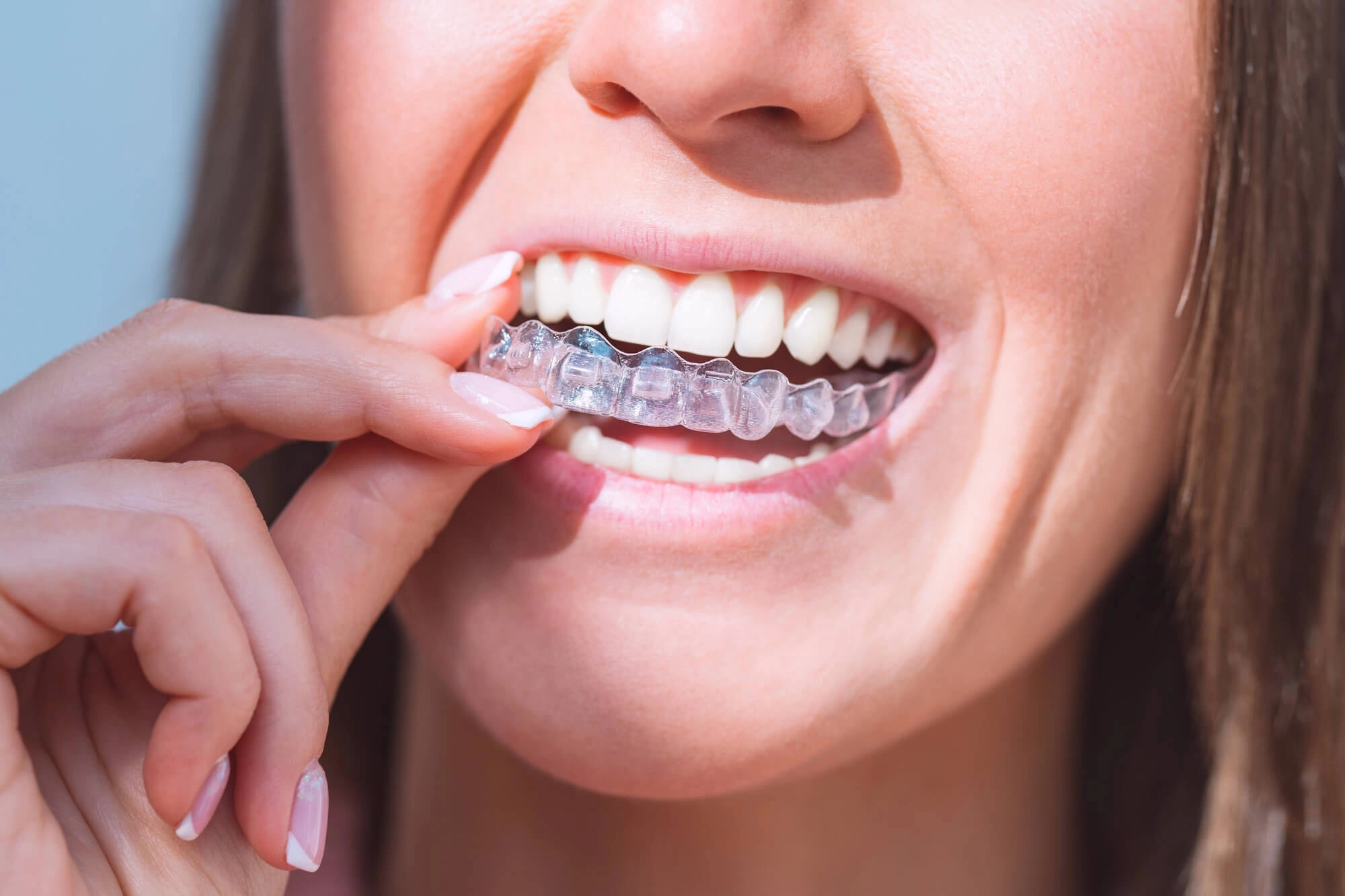
.webp)
.webp)
.webp)

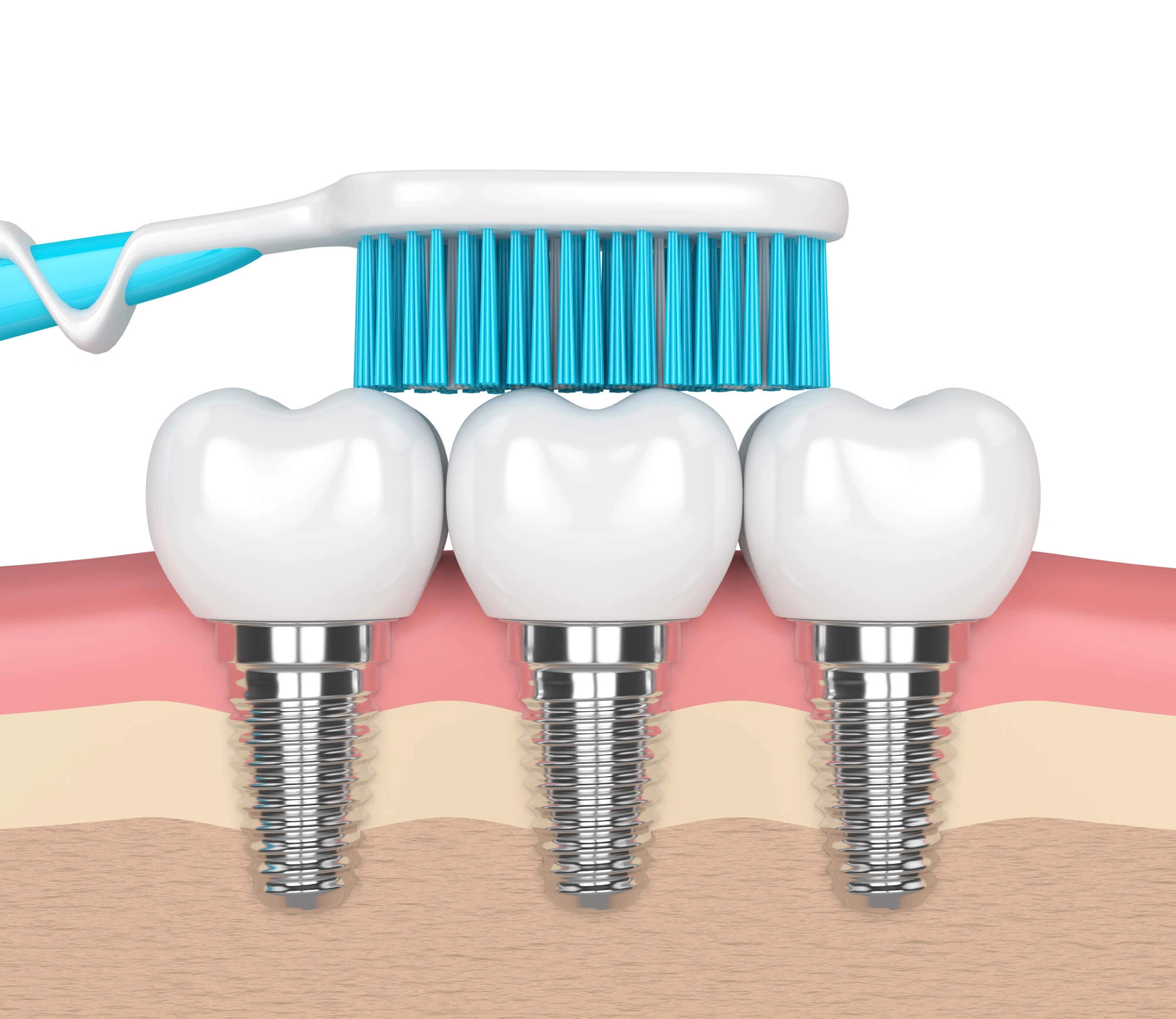
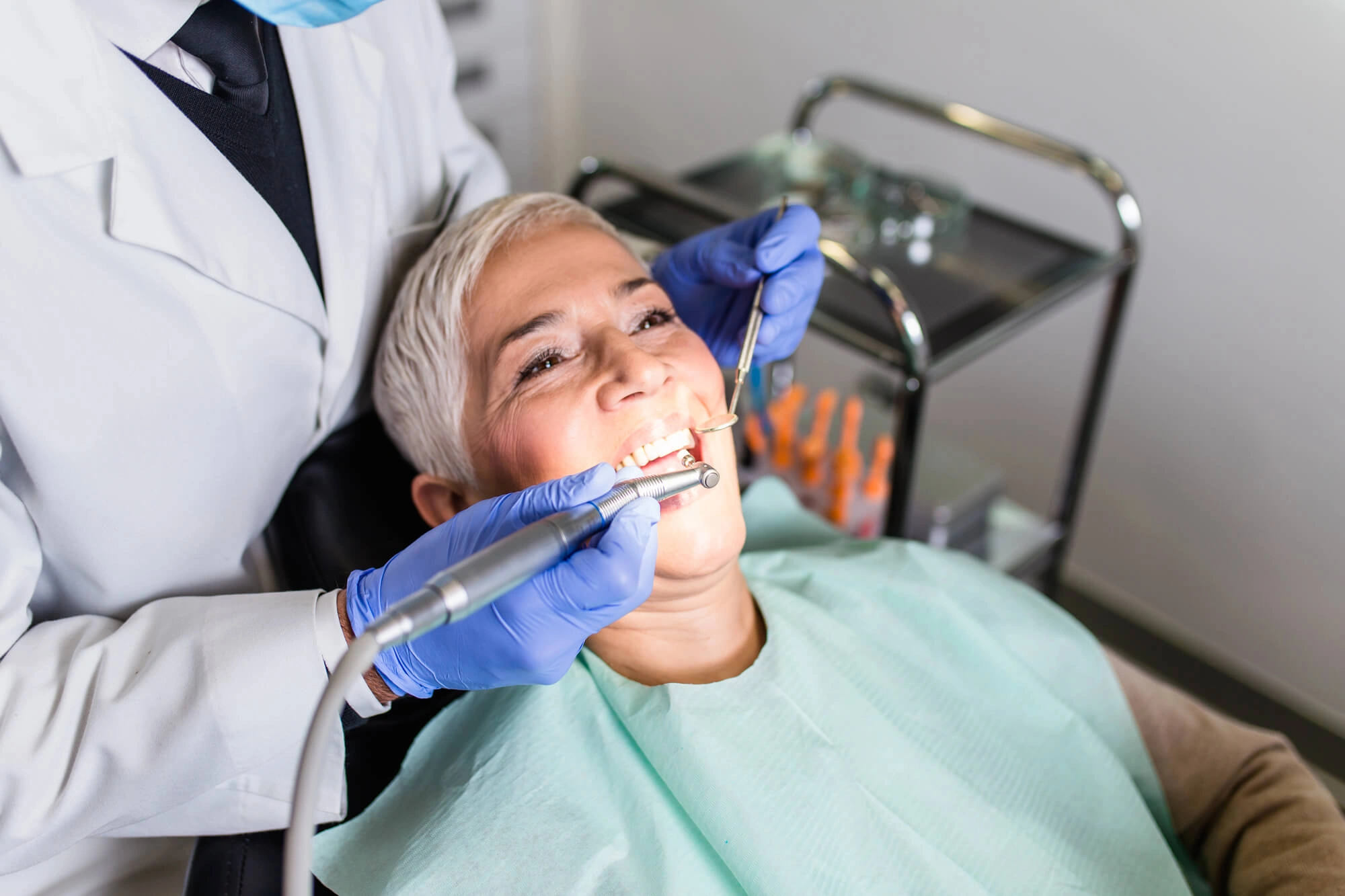

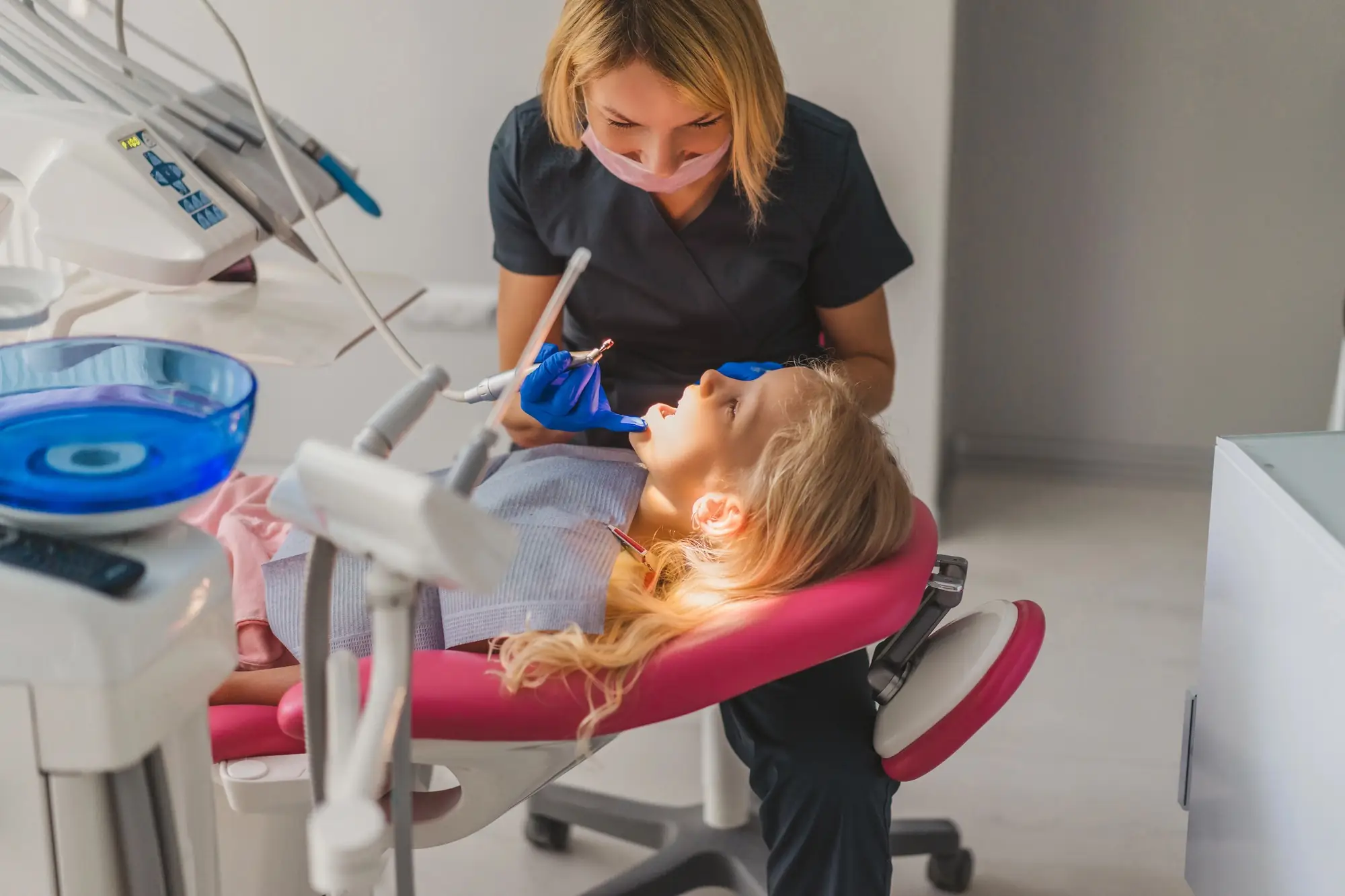


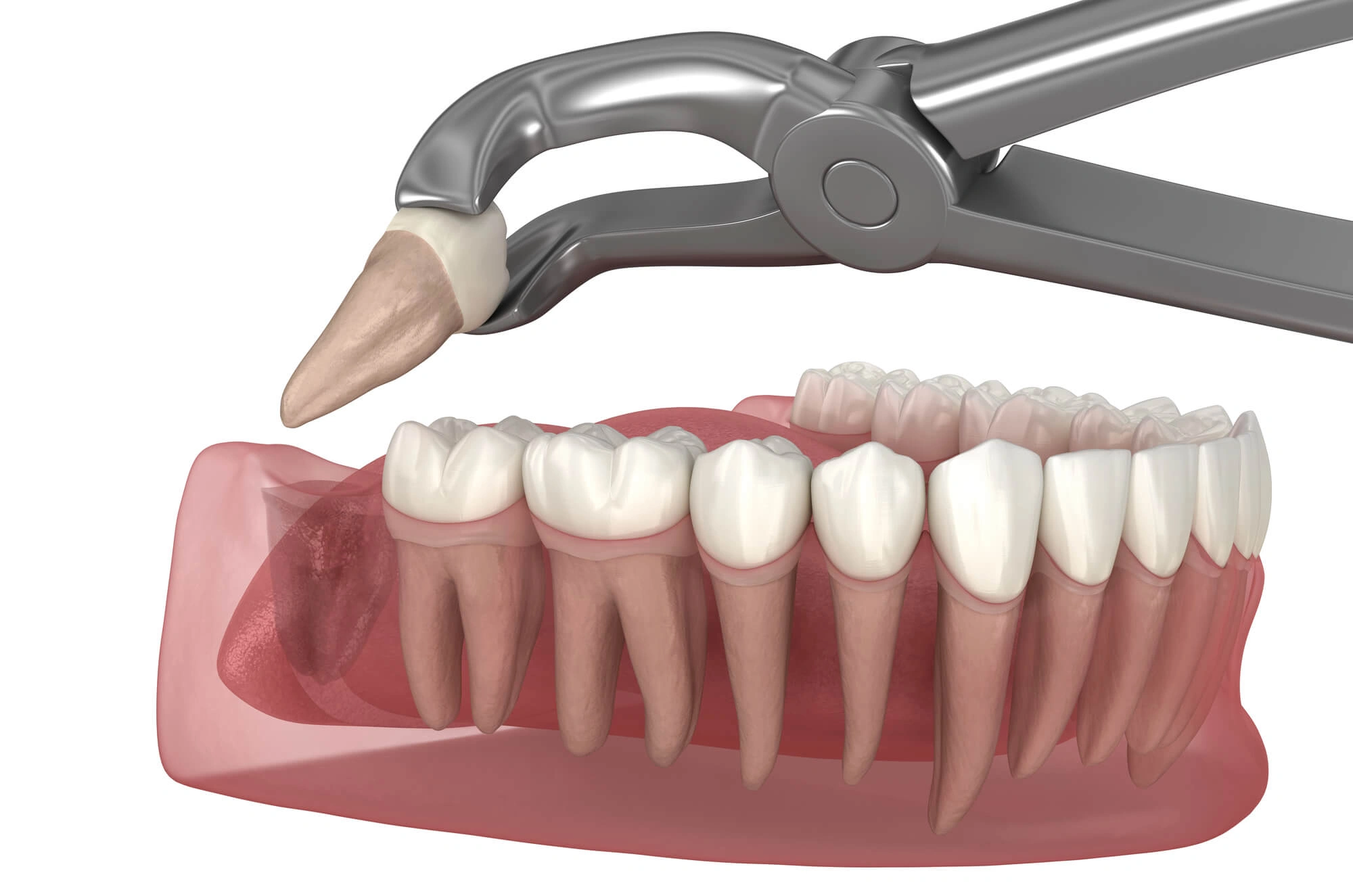

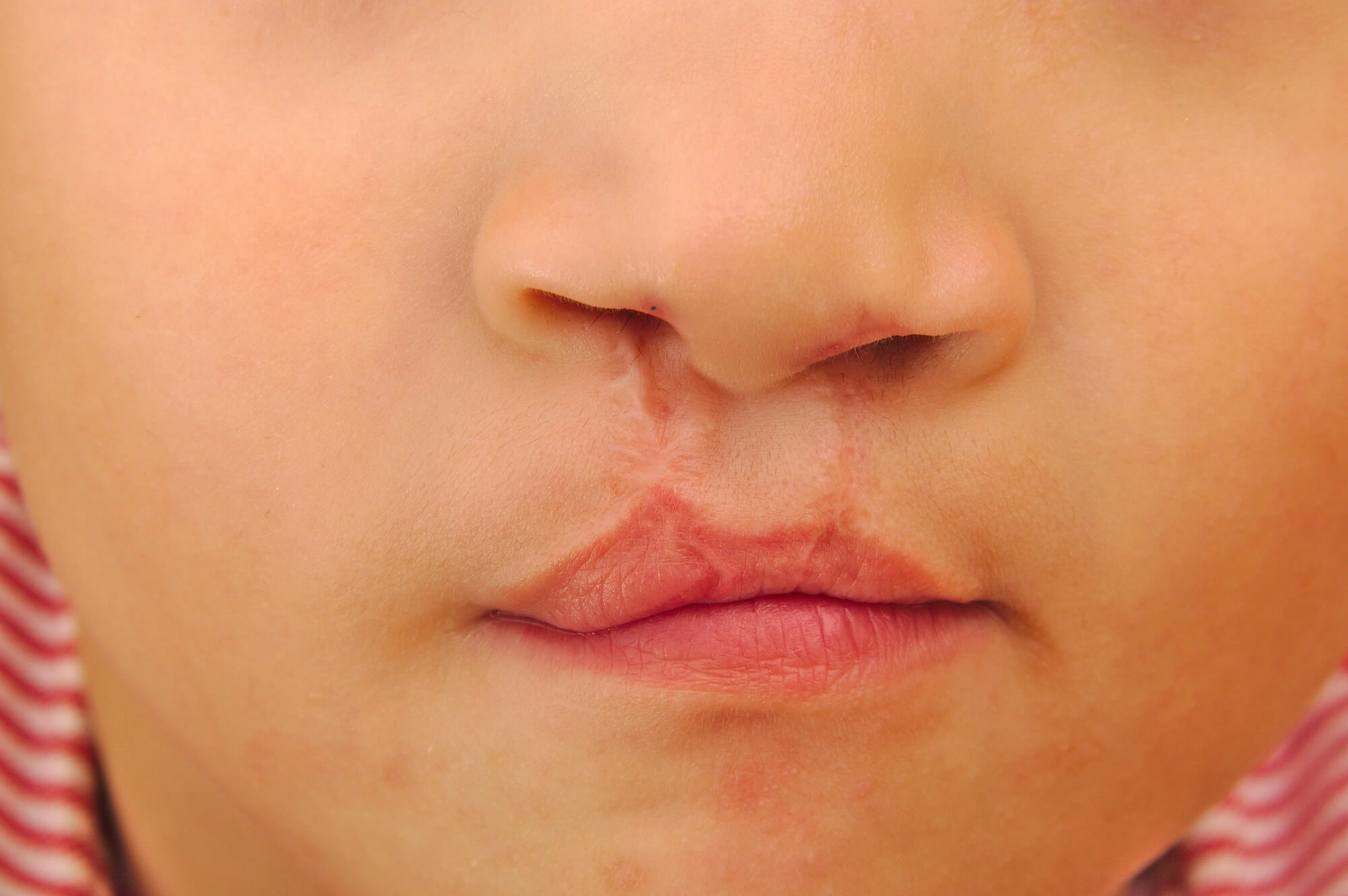


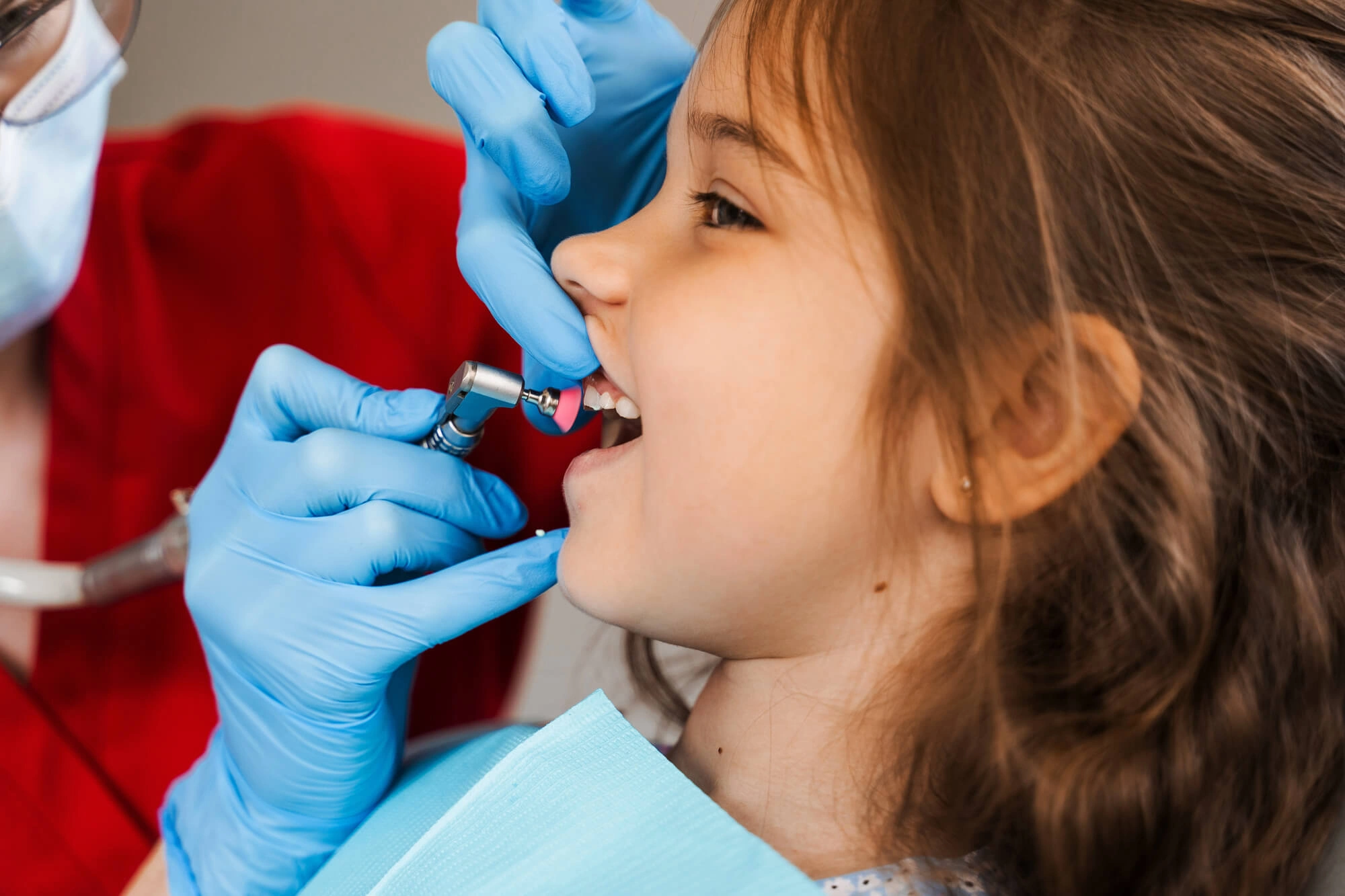


.webp)
