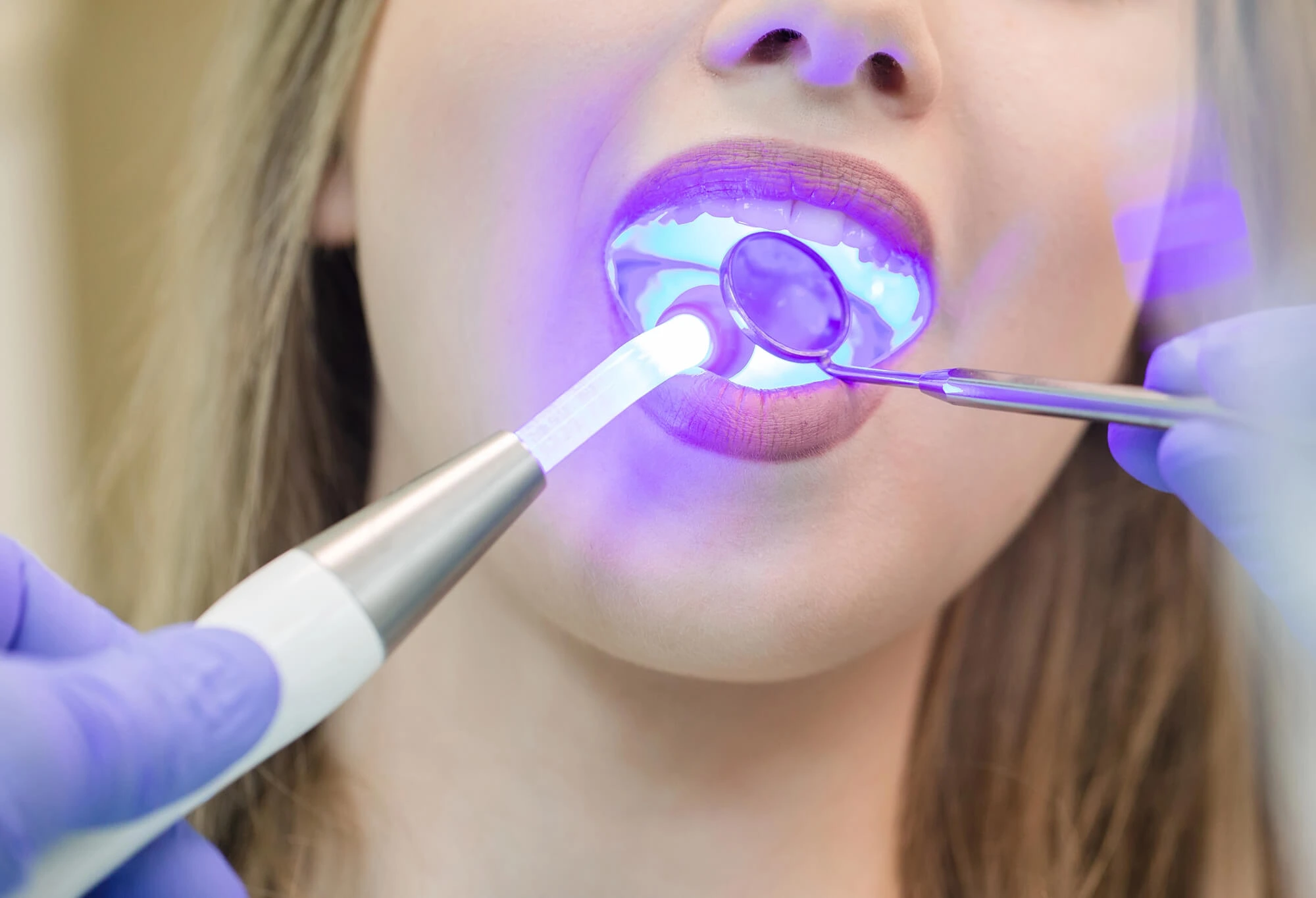
If you’ve ever compared your teeth whitening results to a friend’s, you may have had a moment of “Wait… why are theirs brighter?”
Maybe you both used the same whitening system. Maybe you even did your appointments on the same day. And yet, their teeth seem to glow like a toothpaste commercial while yours look… pleasantly improved, but not quite “blinding.”
Affordable teeth whitening is a bit like getting a haircut. Two people can sit in the same chair, talk to the same professional, and walk out looking different, and it’s not because anyone did anything wrong.
Teeth respond to whitening in their own way, and the final shade is influenced by many different factors.
Your Starting Shade Matters More Than You Think
Before the whitening gel even touches your teeth, your natural starting shade already sets the stage.
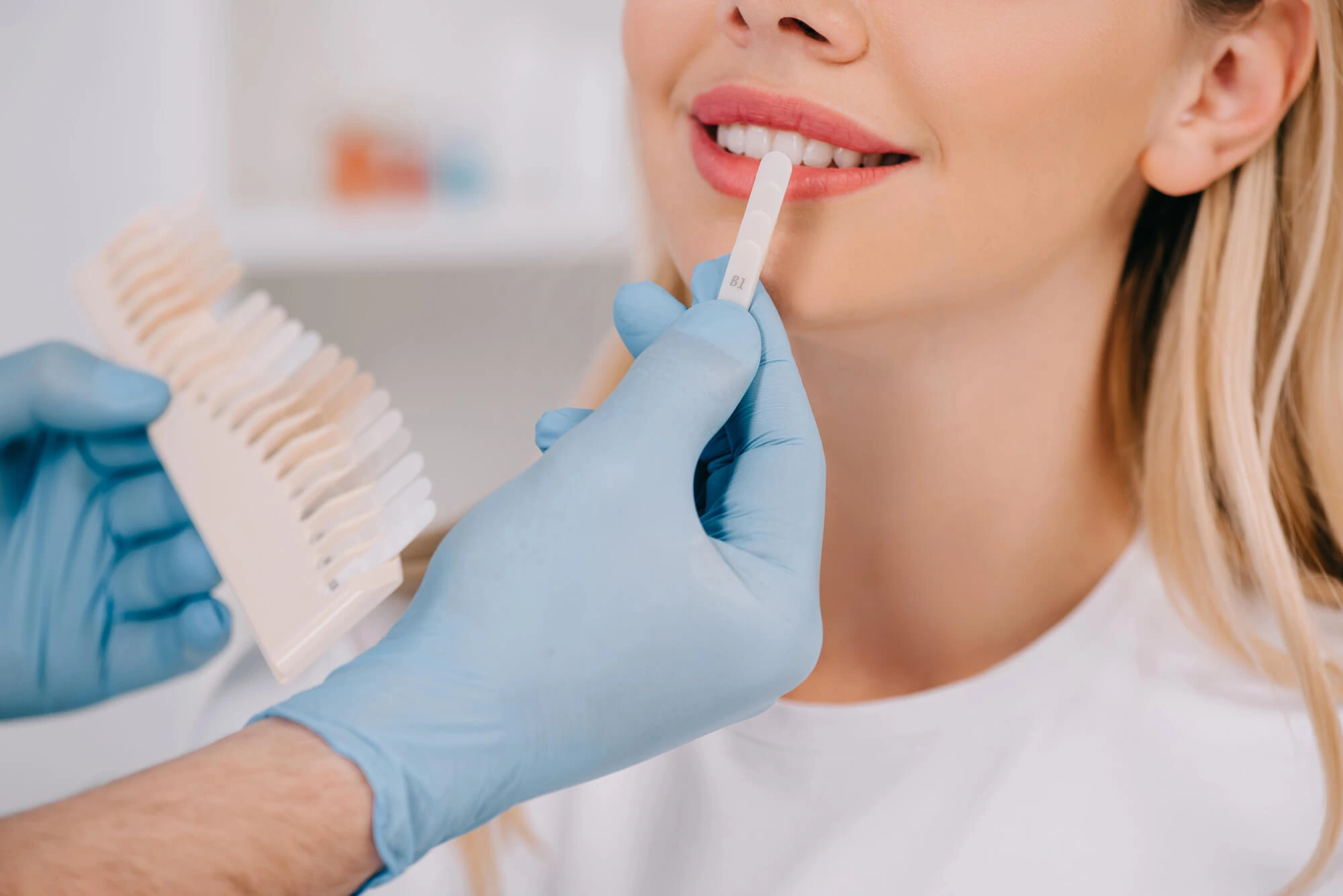
Every smile begins at a different point on the shade guide, which is a system dentists use to measure tooth color. If you start with a darker shade, you can reach a brighter result, but it may take more sessions to get there.
Your friend with lighter enamel might notice a dramatic difference after one treatment simply because they started closer to the finish line.
Whitening is extremely effective, but it works within the boundaries your natural shade gives you.
Enamel Thickness and Tooth Structure
Every smile has its own enamel makeup, and that can shift how whitening shows up for you.
Thick enamel tends to reflect more light, which makes teeth appear brighter. People with this type of enamel often notice quicker, more dramatic whitening results.
Thinner enamel, on the other hand, allows more of the underlying dentin (the yellowish layer beneath the enamel) to show through. Whitening can still lift the color beautifully, but the final shade may look softer or less “icy” compared to someone else.
Tooth structure is influenced by genetics, age, and even habits—none of which you can control.
Types of Stains: Not All Discoloration Responds the Same
The type of discoloration you have also makes a big difference in how whitening works.
Extrinsic stains come from things we eat and drink: coffee, wine, soda, berries, soy sauce, turmeric, and the list goes on. They live on the surface of the enamel and usually respond quickly and dramatically to whitening.
Intrinsic stains, however, are deep inside the tooth. They can come from trauma, certain medications, childhood illnesses, or excessive fluoride exposure. They’re stubborn, and whitening may lighten them but not eliminate them entirely.
Age-related stains are a mix of the two: worn enamel plus years of colorful beverages equals a more complex type of discoloration. Whitening still works, but the lift may be more subtle.
Lifestyle Habits That Influence Your Final Shade
Coffee lovers, tea enthusiasts, red wine appreciators, and frequent soda drinkers often experience discoloration more quickly. You can still whiten, but maintaining that bright shade may require more upkeep than your friend who only drinks water and herbal tea.
Additionally, after whitening treatment, enamel becomes more porous for about 24–48 hours. During that time, stain molecules can settle in more easily. In other words, your teeth are in “fresh snow” mode, and any dark drink can leave footprints. A little extra caution for a day or two helps protect that new brightness.
Even small differences can influence the final result. Thankfully, good hygiene habits and occasional touch-ups can help keep your smile bright long-term.
Previous Dental Work
Crowns, fillings, bonding, and veneers do not change color with whitening.
If you have restorations on your front teeth, they’ll stay the same shade while the natural teeth around them lighten. Your friend who has never had dental work has a more uniform palette to work with, so their results may look more consistent.
This is one of the main reasons a whitening consultation is important. A dentist can help predict how your smile will look and recommend the best approach.
Post-Whitening Care and Maintenance
Two people can get identical whitening treatments and still end up with very different long-term results, and it often comes down to what happens after the appointment.
Whitening isn’t a “set it and forget it” situation. Your habits play a big part in how long that fresh brightness lasts.
Daily Habits That Support a Brighter Smile
Consistent brushing and flossing keep surface stains from settling in, and routine cleanings help polish away anything that tries to dull your enamel.
Many patients also benefit from periodic touch-up whitening, whether it’s a quick in-office boost or a few nights with custom take-home trays. Small maintenance steps help preserve the shade you worked hard for.
Lifestyle Choices
On the flip side, if your routine includes a daily iced coffee, frequent tea breaks, or the occasional forgetful night where flossing “slips your mind,” your shade may fade a little sooner.
Staining habits don’t cancel your results, but they do mean you might need touch-ups more often.
Treatments for When Whitening Isn’t Enough
Most discoloration lifts beautifully with whitening, but some stains are stubborn by nature. When teeth don’t respond the way you hoped—even after professional treatment— your smile may need a different cosmetic approach.
Bonding: A Simple, Targeted Fix
Dental bonding works well for single teeth or small, uneven patches of discoloration. A tooth-colored resin is shaped and polished over the stained area, instantly improving the color and blending with your natural enamel.
It’s fast, minimally invasive, and great for cases where only one or two teeth need a boost.
Veneers: A Full Smile Transformation
For more significant or widespread discoloration, veneers offer a long-lasting solution. Thin porcelain shells are custom-made to match the shade, shape, and brightness you want.
Veneers cover the front surface of each tooth, creating a uniform look that whitening alone can’t achieve. They’re especially helpful when the natural enamel won’t lighten evenly.
Internal Bleaching: A Special Treatment for Single Dark Teeth
When a single tooth has darkened from past trauma or root canal treatment, internal bleaching may be recommended. Instead of treating the outside of the enamel, the whitening material is placed inside the tooth, lifting the color from within.
It’s a focused option designed specifically for isolated dark teeth that don’t match the rest of your smile.
Explore Affordable Teeth Whitening — Contact Our Team Today!
Ready to see how professional whitening can enhance your smile? Reach out to schedule an appointment, review your options, and choose the approach that works best for you.