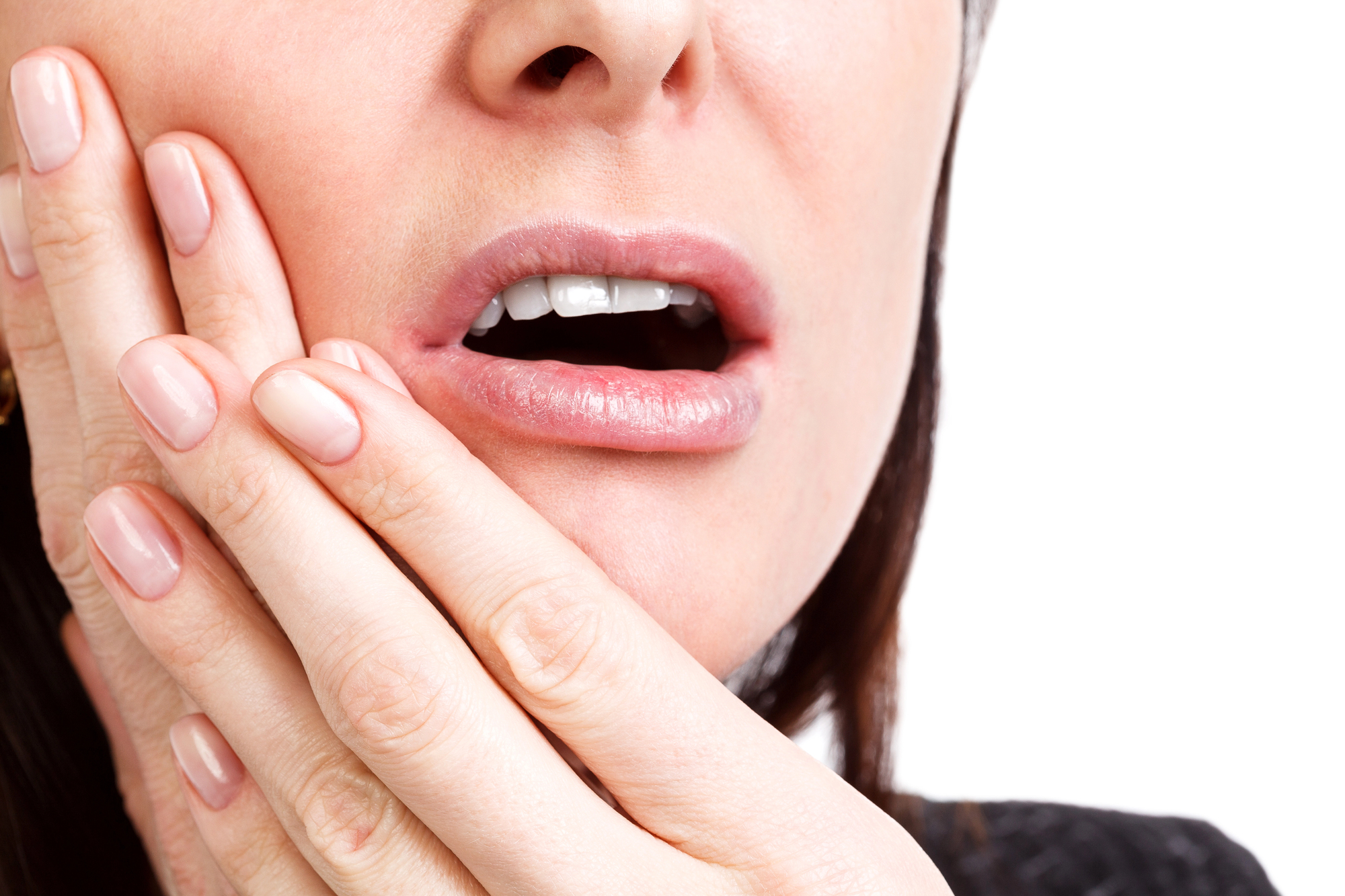
You make it through the day with no major issues. Then bedtime arrives, the room goes quiet, and your tooth starts acting up. A dull ache turns sharper. Mild sensitivity becomes impossible to ignore. And now, instead of falling asleep, you’re focused on one particular spot in your mouth.
Nighttime tooth pain usually has clear physical causes, ranging from changes in blood flow and inflammation to underlying dental issues that become more noticeable once everything slows down.
Knowing why it happens can help you understand what your body is signaling, whether that ache is something to monitor, or if it’s time to see a dentist in Coral Springs, FL.
How Pain Feels Different at Night
During the day, your brain stays busy. Conversations, work, errands, screens—a lot is competing for your attention. Even if a tooth is irritated, your nervous system often places it low on the priority list. Pain fades into the background while you focus on everything else.
At night, that background noise disappears. With fewer distractions, your brain becomes much more aware of physical sensations. Even mild discomfort can suddenly feel louder and more persistent.
On top of that, your body naturally produces lower levels of cortisol in the evening. Cortisol helps regulate inflammation and dampen pain signals, so when levels drop, sensitivity can rise.
Silence, stillness, and fatigue all work together to amplify what you feel. Dental pain tends to thrive in these conditions, which is why nighttime discomfort often feels more intense than anything you experienced during the day.
Lying Down Changes Blood Flow
When you lie down, blood flow to your head increases. If a tooth, nerve, or surrounding tissue is already inflamed, that added pressure can intensify pain. This is especially true for teeth with deep decay, infections, or irritated nerves.
During the day, gravity helps pull blood downward. At night, horizontal positioning removes that advantage. The result is increased pressure inside confined spaces, like the pulp chamber of a tooth. Teeth have very little room to accommodate swelling, so even slight inflammation can feel significant.
As a result, discomfort often ramps up once you’re in bed, and sitting upright or elevating your head may bring some relief. Throbbing, pulsing pain that worsens when lying down is often a sign that inflammation is involved.
Common Dental Causes of Nighttime Tooth Pain
Nighttime pain often points to an underlying dental issue. While pain levels can vary, these are some of the most common reasons teeth act up after dark.
Tooth Decay Reaching the Inner Tooth
As decay progresses deeper into the tooth and approaches the pulp—the soft tissue that houses nerves and blood vessels—sensitivity increases. At this stage, nerves are more reactive to pressure, temperature changes, and inflammation.
Nighttime conditions make those sensations harder to ignore. What felt like a mild twinge earlier in the day can quickly turn into persistent aching or sharp pain once you lie down.
Left untreated, decay that reaches the pulp often leads to infection, which tends to bring more severe nighttime symptoms.
Inflamed or Infected Dental Pulp
Pulpitis occurs when the inner portion of the tooth becomes irritated or infected. In early cases, pain may come and go, triggered by hot or cold foods. In more advanced cases, discomfort lingers and becomes more noticeable at night.
This type of pain often feels deep, throbbing, or difficult to pinpoint. Some people describe it as pressure rather than sharp pain. It may temporarily improve with pain relievers, only to return once your body relaxes and external distractions fade.
Nighttime worsening is common because inflamed nerves are more sensitive to changes in blood flow and pressure.
Teeth Grinding and Jaw Clenching
Many people grind or clench their teeth during sleep without realizing it. Stress, bite alignment, and sleep habits all contribute. Because grinding happens unconsciously, the effects often show up at night or first thing in the morning.
Grinding places prolonged pressure on teeth, jaw muscles, and joints. Over time, the condition can lead to tooth sensitivity, soreness, headaches, and jaw discomfort. The pressure from clenching may trigger pain while you sleep, making it feel like a tooth issue even if the tooth itself is healthy.
Nighttime grinding can also worsen existing dental problems, turning mild sensitivity into noticeable pain.
Gum Disease or Gum Inflammation
Gums play a critical role in supporting teeth. When they’re inflamed or infected, the surrounding tissues become more sensitive to pressure and changes in blood flow.
Nighttime stillness makes that inflammation easier to notice. Gum-related pain often feels like aching, tenderness, or a sense of pressure rather than sharp pain. Some people notice soreness along the gumline or discomfort when touching certain areas.
Because gum disease can progress quietly, nighttime pain may be one of the first signs that something isn’t right.
Cracked or Fractured Teeth
Small cracks can be surprisingly difficult to detect. They may not show up on X-rays and often cause intermittent symptoms that seem to come and go.
At night, unconscious clenching or subtle pressure changes can trigger pain along the crack. These teeth may feel fine during the day, then suddenly become painful once you lie down. Temperature changes or biting pressure can also exacerbate symptoms.
Cracks rarely heal on their own and tend to worsen over time, which is why early evaluation matters.
Non-Dental Factors That Can Make Pain Worse
Not all nighttime tooth pain starts in the mouth.
Sinus pressure can refer pain to upper teeth, especially during congestion or sinus inflammation. Stress increases muscle tension, leading to jaw soreness or clenching that mimics tooth pain. Dehydration can reduce saliva production, allowing sensitivity and irritation to flare up.
Sleep position also matters. Poor neck support or awkward angles can strain jaw muscles and joints, contributing to discomfort that feels dental in nature. These factors can intensify existing issues or create symptoms that feel tooth-related.
When Nighttime Tooth Pain Signals a Bigger Issue
Pain that wakes you from sleep, throbs steadily, or worsens over several nights often points to infection or nerve involvement. Swelling, a persistent bad taste, sensitivity that lingers long after temperature exposure, or pain triggered by pressure are also warning signs.
Waiting rarely improves these situations. Dental problems tend to progress quietly, then demand attention at inconvenient hours—often late at night, when relief options are limited.
What Helps Relieve Tooth Pain at Night (Short Term)
Temporary relief is possible, but it’s important to view these steps as support, not solutions:
Sleeping with your head elevated can help reduce pressure.
Avoiding very hot, cold, or sugary foods before bed may limit irritation.
Gentle saltwater rinses can calm inflamed tissue.
Over-the-counter pain relievers may help manage discomfort in the short term when used as directed.
If pain keeps returning night after night, it’s a sign the underlying issue needs professional care.
How a Dentist Finds the Real Cause
Dental pain can be deceptive. A thorough exam, digital imaging, and bite evaluation help identify what’s happening beneath the surface.
By pinpointing the source early, your dentist can often recommend simpler, more conservative care. Issues addressed sooner are typically easier to treat and more comfortable to resolve than those left to progress.
Ready to Stop Nighttime Tooth Pain? Contact Our Dentist in Coral Springs, FL
Tooth pain that worsens at night has a reason, and it usually won’t solve itself. Our team at TLC Dental takes a thoughtful, patient-first approach to identifying the cause and guiding you toward relief.