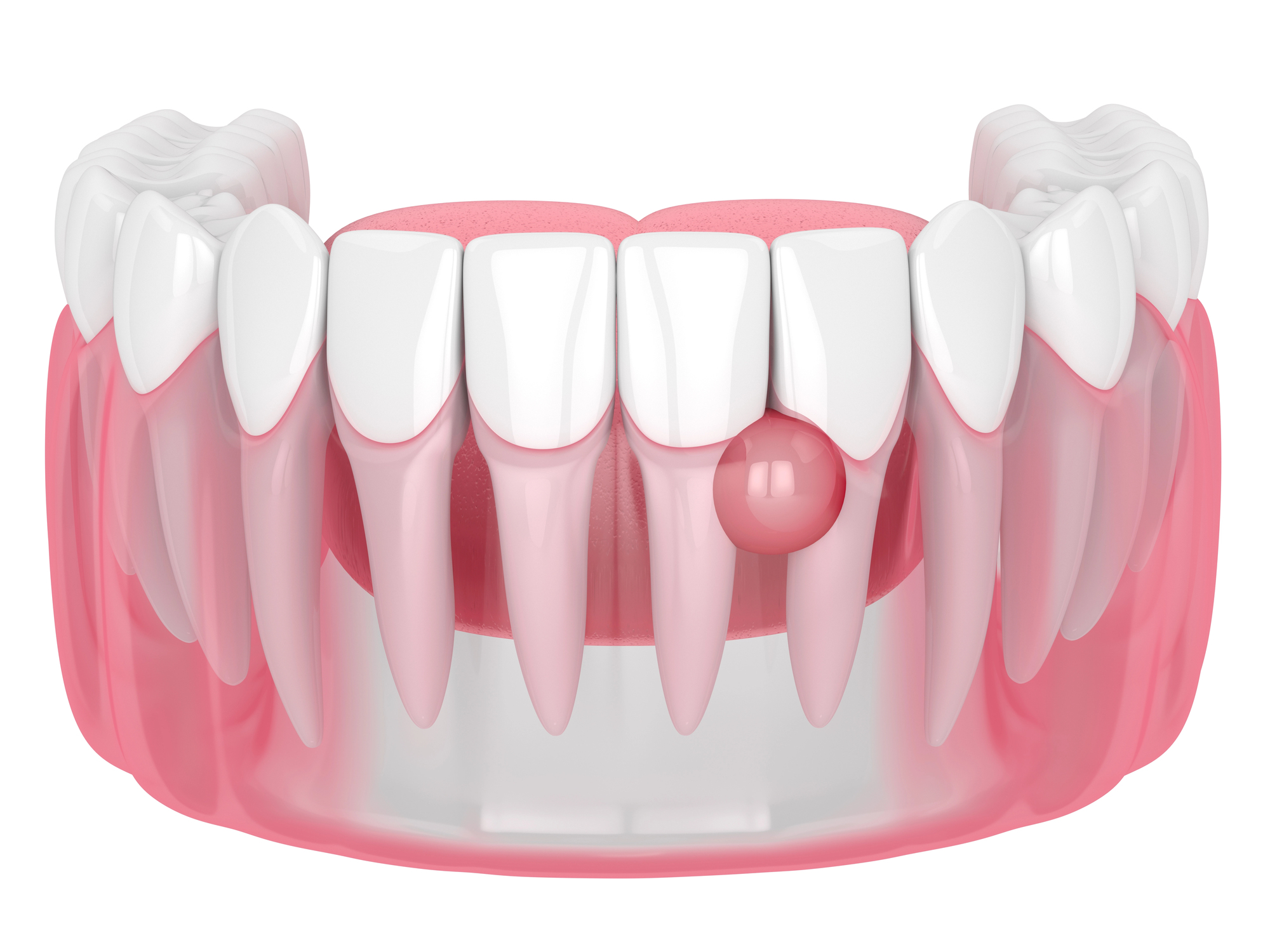
Tooth infections don’t stay contained by default. Once bacteria reach the inner layers of a tooth, they have direct pathways into the jawbone, surrounding tissue, and even nearby spaces in the face and neck. Therefore, dentists in Hollywood, FL, take infections seriously, even when pain feels moderate or inconsistent.
What often causes confusion is how these infections show up. The symptoms may feel sinus-related, muscular, or general rather than just dental. Swelling along the jaw, pressure near the ear, or feeling unusually run down can all point back to an infected tooth that has moved beyond its original location.
Knowing the signs of a spreading tooth infection allows you to act before the problem becomes more difficult to treat.
What Is a Tooth Infection?
A tooth infection occurs when bacteria enter the inner part of the tooth, known as the pulp. It usually happens because of deep decay, a crack, trauma, or dental work that no longer seals the tooth properly. Once bacteria reach the area, the body responds with inflammation and often pain.
Initially, the infection may stay confined to the tooth or the surrounding area of the root. This is known as a localized infection. But teeth are not sealed vaults. When pressure builds or the infection isn’t treated, bacteria can escape into nearby bone, gums, and soft tissue.
Importantly, tooth infections don’t resolve on their own. Pain might fade temporarily, but that often means the nerve has been damaged, not that the infection is gone.
How Tooth Infections Spread Beyond the Tooth
When bacteria move beyond the tooth, they follow paths of least resistance. These may include:
The root tip and into the jawbone
Surrounding gum tissue
Soft tissue of the face and neck
As infection spreads, swelling increases, which can limit blood flow and make it harder for your immune system to contain the problem. Certain factors increase the likelihood of spreading infections, including delayed dental care, smoking, untreated gum disease, and a weakened immune response.
Once bacteria leave the tooth, symptoms often show up in places that don’t feel “tooth-related” at all, which is where confusion can begin.
Early Signs the Infection Is Spreading
Increasing or Radiating Pain
Instead of pain staying in one tooth, it may spread into the jaw, ear, temple, or neck. The sensation might feel deep, throbbing, or difficult to pinpoint.
Swelling Beyond the Gum Line
Swelling that moves into the cheek, jawline, or under the eye suggests that the infection is no longer limited to the tooth itself.
Persistent Bad Taste or Drainage
A recurring salty or unpleasant taste may indicate pus draining from an abscess. Even if pressure seems to ease afterward, the infection remains active.
Jaw Pressure or Tightness
If opening your mouth feels uncomfortable or restricted, inflammation may be affecting the surrounding muscles and tissue.
These signs often appear before more serious symptoms develop, and they’re your cue to schedule care promptly.
Advanced Warning Signs That Require Prompt Care
As a tooth infection progresses, its symptoms become increasingly difficult to ignore and more concerning. The following signs signal the need for immediate dental attention:
Facial or Neck Swelling
Visible swelling in the face or neck suggests the infection has moved into deeper tissue spaces. It can progress quickly if untreated.
Fever or General Fatigue
A fever, chills, or feeling run-down may mean your body is fighting an infection that’s no longer localized.
Difficulty Swallowing or Breathing
Any interference with swallowing or breathing is a medical concern. Infections in the mouth can affect the airway if swelling increases.
Enlarged or Tender Lymph Nodes
Sore or swollen lymph nodes under the jaw or along the neck often indicate an infection that has spread.
Redness or Warmth of the Skin
Skin that appears red or feels warm to the touch over the jaw or face can point to inflammation in deeper tissues.
At this stage, treatment becomes more urgent, not because panic is warranted, but because timely care prevents complications.
Why Spreading Tooth Infections Should Never Be Ignored
It’s tempting to wait out dental symptoms, especially if pain comes and goes. Unfortunately, pain level doesn’t reliably reflect infection severity. Some serious infections cause surprisingly little discomfort.
Untreated spreading infections can lead to:
Damage to the jawbone and surrounding tissue
Larger abscess formation
Increased risk of infection entering the bloodstream
Beyond oral health, systemic infections place stress on the entire body. The goal of treatment is not just to relieve symptoms, but to eliminate the source of infection before it affects overall health.
How Dentists Treat Spreading Tooth Infections
Treatment begins with a thorough evaluation, which includes a clinical examination and imaging to determine the location and extent of the infection.
Common treatment options include:
Root Canal Therapy
Root canal therapy is often used when the tooth structure is still strong enough to save. During the procedure, the dentist removes the infected pulp from inside the tooth, cleans and disinfects the canals, and seals the space to prevent bacteria from returning.
A root canal stops the infection at its source while allowing you to keep your natural tooth. In many cases, a crown is placed afterward to restore strength and function.
Tooth Extraction
If the infection has severely damaged the tooth or surrounding bone, removing the tooth may be the safest option. Extraction eliminates the source of bacteria and allows the area to heal.
Once healing is underway, your dentist will discuss replacement options, such as a bridge or dental implant, to maintain proper bite function and prevent neighboring teeth from shifting.
Antibiotics
Antibiotics may be prescribed to help reduce bacterial spread and control inflammation, especially when swelling or systemic symptoms are present. However, antibiotics do not remove the source of infection inside the tooth. They are used alongside dental treatment, not as a standalone solution.
Antibiotics alone rarely resolve a tooth infection permanently. Addressing the infected tooth directly is essential to prevent recurrence and further spread.
Once the infection is under control, your dentist will discuss the next steps to restore function and protect nearby teeth.
When to Contact a Dentist Immediately
You should contact TLC Dental promptly if you notice:
Facial or jaw swelling
Fever combined with tooth pain
Pain spreading beyond a single tooth
Drainage, persistent bad taste, or pressure
Difficulty opening your mouth fully
Early evaluation keeps treatment simpler and recovery smoother. Waiting often leads to longer appointments and more involved care.
Contact a Trusted Dentist in Hollywood, FL, Today
If something feels off, whether it’s swelling, lingering pain, or changes that no longer seem normal, it’s worth having it checked. Contact TLC Dental to schedule an appointment with our team!