Common Orthodontic Problems and How They're Treated
July 22, 2026
A healthy smile is about more than straight teeth—it also depends on proper bite alignment and jaw function. Many orthodontic problems can be successfully treated with orthodontic treatment services, helping patients improve their oral health, comfort, and confidence. Whether you're experiencing crowded teeth, bite issues, or spacing concerns, understanding the available treatment options can help you make informed decisions about your dental care.
Understanding Common Orthodontic Problems
Orthodontic problems affect how the teeth and jaws fit together. While some issues are noticeable from an early age, others become more apparent as permanent teeth erupt or as the bite changes over time.
Although many people seek orthodontic care to improve the appearance of their smiles, treatment also provides important health benefits. Misaligned teeth can be more difficult to clean, increasing the risk of cavities and gum disease. Bite problems may also contribute to jaw discomfort, uneven tooth wear, and difficulty chewing or speaking.
Fortunately, advances in orthodontics allow many of these conditions to be corrected with personalized treatment plans.
What Causes Orthodontic Problems?
Several factors can contribute to orthodontic concerns. Some people inherit jaw size or tooth alignment from their parents, while others develop problems due to habits or injuries.
Common causes include:
Genetics
Early or late loss of baby teeth
Thumb-sucking beyond early childhood
Prolonged pacifier use
Mouth breathing
Dental trauma
Missing teeth
Jaw growth differences
During an orthodontic evaluation, the dentist carefully examines your teeth, bite, and jaw development to determine the cause of the problem and recommend appropriate treatment.
Why Early Detection Is Important
Orthodontic problems often become easier to treat when identified early. Routine dental visits allow providers to monitor how children's teeth and jaws are developing and recognize concerns before they become more severe.
However, orthodontic treatment is not just for children and teenagers. Adults can also benefit from correcting alignment issues that affect their oral health or quality of life.
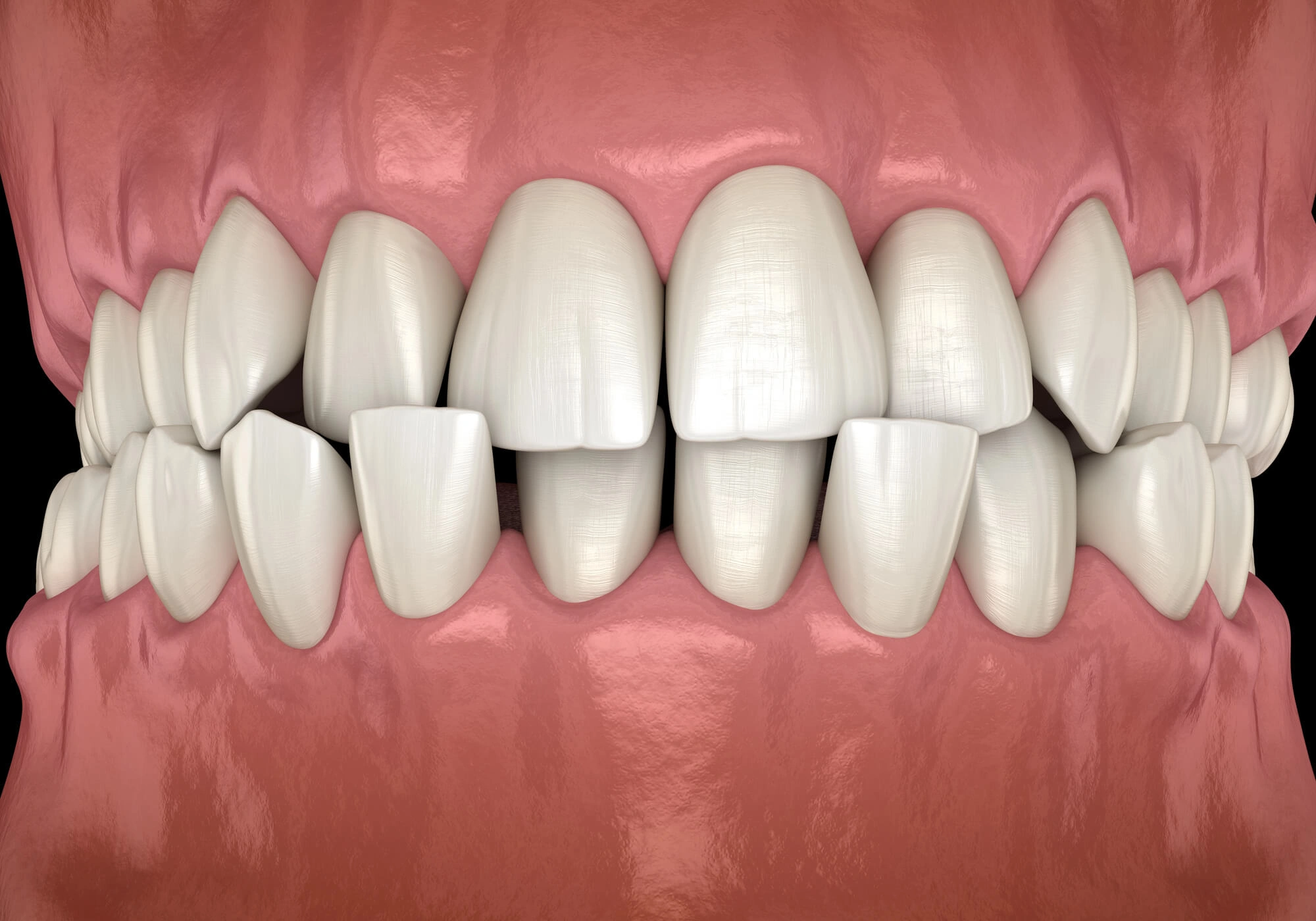
Crowded Teeth
Crowded teeth occur when there isn't enough space in the jaw for all the teeth to fit properly. As teeth compete for space, they may overlap, rotate, or become crooked.
Crowding is one of the most common orthodontic concerns and can make brushing and flossing more challenging.
How Crowded Teeth Are Treated
Treatment depends on the amount of crowding present.
Some people naturally have spaces between their teeth. While small gaps may not cause functional problems, larger spaces can affect bite stability and allow food to become trapped.
Spacing may occur because of genetics, missing teeth, or differences in tooth size.
Treatment Options for Gapped Teeth
Orthodontic treatment gradually moves teeth into healthier positions.
Depending on the patient's needs, treatment may include:
Braces
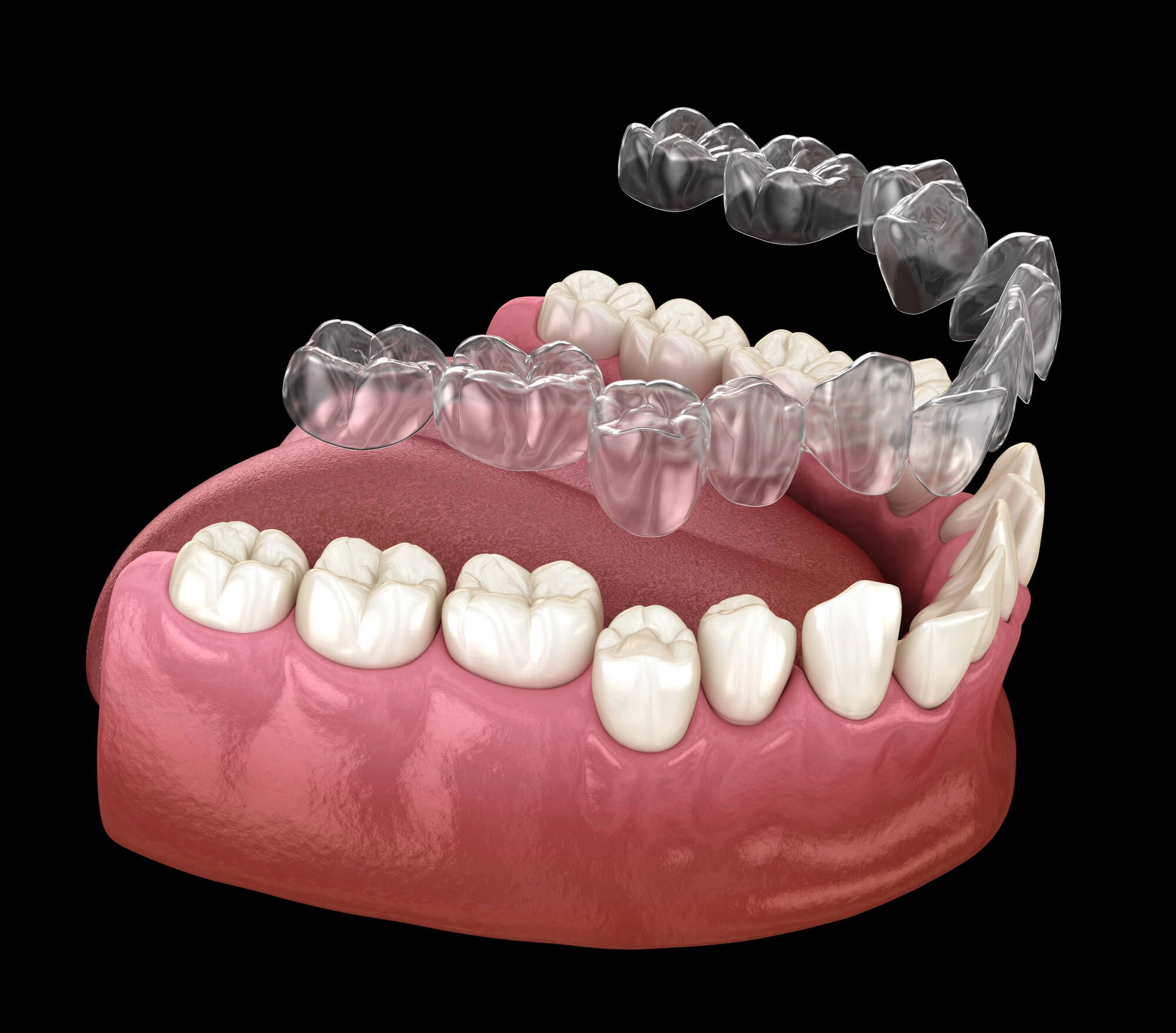
Clear aligners
Retainers after treatment to maintain results
Closing gaps can improve chewing function while creating a more balanced smile.
Overbite
An overbite occurs when the upper front teeth overlap the lower front teeth excessively.
A mild overbite is common, but severe cases can place extra pressure on certain teeth and contribute to jaw discomfort.
Treatment for Overbites
Orthodontists customize treatment based on the severity of the condition.
Common solutions include:
Braces
Clear aligners
Elastics used with braces
Growth-guiding appliances for younger patients
Correcting an overbite helps distribute biting forces more evenly and protects the teeth from excessive wear.
Underbite
An underbite develops when the lower jaw extends farther forward than the upper jaw, causing the lower teeth to sit in front of the upper teeth.
This condition may interfere with chewing, speech, and facial balance.
How Underbites Are Corrected
Treatment depends on the patient's age and the underlying cause.
Possible options include:
Braces
Clear aligners
Functional appliances
Orthognathic surgery for severe skeletal cases
Early treatment often improves long-term outcomes, particularly for growing children.
Crossbite
A crossbite occurs when one or more upper teeth bite inside the lower teeth instead of outside them.
Crossbites can affect the front teeth, back teeth, or both.
Without treatment, this condition may lead to uneven tooth wear, gum recession, and jaw discomfort.
Common Treatment Options
Treatment may involve:
Braces
Clear aligners
Palatal expanders
Other orthodontic appliances
Correcting a crossbite helps create a healthier bite while reducing unnecessary stress on the teeth and jaw.
Open Bite
An open bite occurs when the upper and lower front teeth do not touch while the mouth is closed.
This condition may result from genetics, prolonged thumb-sucking, tongue thrusting, or jaw growth patterns.
People with an open bite may have difficulty biting into foods or pronouncing certain words clearly.
Treatment for Open Bites
Treatment focuses on correcting tooth alignment while addressing contributing habits when necessary.
Options may include:
Braces
Clear aligners
Habit-correcting appliances
Growth modification in younger patients
Correcting an open bite can improve speech, chewing efficiency, and overall oral function.
What to Expect During Orthodontic Treatment
Every orthodontic journey begins with a comprehensive evaluation.
During your consultation, the dental team will assess your oral health using examinations, digital imaging, photographs, and bite analysis. These findings help determine the most effective treatment plan for your unique needs.
Once treatment begins, regular appointments allow the dentist to monitor tooth movement and make adjustments as needed.
Treatment time varies depending on the complexity of the case. Some patients complete treatment within a year, while others may require two years or longer to achieve optimal results.
Following your treatment plan carefully helps ensure the best possible outcome.
Good oral hygiene plays a major role in successful orthodontic treatment.
Whether you wear braces or clear aligners, keeping your teeth clean helps prevent cavities and gum disease throughout treatment.
Healthy habits include:
Brushing thoroughly after every meal
Flossing daily using orthodontic-friendly tools
Limiting sugary snacks and beverages
Avoiding hard or sticky foods if wearing braces
Attending routine dental cleanings
Keeping all scheduled orthodontic appointments
Wearing retainers as directed after treatment
Consistent home care protects your teeth while allowing treatment to progress smoothly.
Benefits of Correcting Orthodontic Problems
Orthodontic treatment offers lasting benefits that extend well beyond appearance.
Properly aligned teeth are easier to clean, reducing the likelihood of plaque buildup and gum disease. A balanced bite also helps minimize uneven tooth wear and unnecessary stress on the jaw joints.
Patients who complete orthodontic treatment often experience:
Improved oral hygiene
Healthier gums
Better chewing ability
More balanced bite function
Reduced risk of tooth damage
Increased confidence when smiling
Long-term improvements in oral health
These benefits can positively impact both your dental health and overall quality of life.
Who Can Benefit From Orthodontic Treatment?
Orthodontic care is suitable for children, teenagers, and adults.
Children may benefit from early evaluations that identify developing bite problems before they become more serious. Teenagers often begin treatment once most permanent teeth have erupted, while many adults choose orthodontic care to improve oral health or correct alignment issues that were never treated earlier in life.
Regardless of age, a personalized evaluation helps determine whether orthodontic treatment is appropriate and which option best fits your needs and lifestyle.
Orthodontic problems don't have to affect your comfort, confidence, or oral health for years to come. Whether you're dealing with crowded teeth, spacing issues, or bite concerns, timely treatment can create a healthier, more functional smile that lasts a lifetime. The experienced team at TLC Dental provides individualized orthodontic care designed to meet each patient's unique needs and goals. Schedule a consultation today and take the first step toward achieving a straighter, healthier smile.
Knowing whether to visit a dentist or an orthodontist can help you receive the right care for your smile. While both professionals play an important role in maintaining oral health, they have different areas of expertise. If you're considering braces, clear aligners, or treatment for bite issues, an orthodontist in FT Lauderdale can provide specialized care designed to improve the alignment and function of your teeth.
Understanding the Difference Between a Dentist and an Orthodontist
Dentists and orthodontists work together to help patients achieve healthy smiles, but their education, training, and treatment focus are different.
A general dentist provides preventive, restorative, and cosmetic dental care. Their goal is to keep your teeth and gums healthy through routine checkups, cleanings, fillings, crowns, and other common dental procedures.
An orthodontist is a dentist who completes additional years of specialized education and clinical training focused on diagnosing, preventing, and correcting problems involving tooth alignment, jaw position, and bite function.
Both professionals are essential to your oral health, but each serves a different purpose.
What Does a General Dentist Do?
A general dentist is usually your primary dental care provider and the professional you see regularly for routine oral health maintenance.
Regular dental visits help detect oral health concerns early and reduce the risk of more serious problems developing over time.
What Does an Orthodontist Do?
An orthodontist focuses specifically on correcting the position of the teeth and jaws.
After completing dental school, orthodontists receive advanced specialty training in tooth movement, facial growth, and bite correction. This specialized education allows them to create customized treatment plans for patients with alignment concerns.
An orthodontist is the best choice when your concern involves tooth alignment or bite function.
Several signs may indicate that orthodontic treatment could be beneficial.
Crooked or Crowded Teeth
Crowded teeth may overlap or rotate because there isn't enough room in the jaw.
Besides affecting appearance, crowding can make brushing and flossing more difficult, increasing the risk of plaque buildup, cavities, and gum disease.
Orthodontic treatment gradually moves teeth into healthier positions, making oral hygiene easier.
Correcting these problems improves chewing efficiency, reduces uneven tooth wear, and may help relieve stress on the jaw joints.
Gaps Between Teeth
Spacing issues may occur because of genetics, missing teeth, or differences in tooth size.
Closing unwanted gaps creates a more balanced smile while improving bite stability.
Can Children Benefit From Seeing an Orthodontist?
Yes. Children often benefit from early orthodontic evaluations because growing jaws are easier to guide during development.
Many dental professionals recommend an orthodontic evaluation around age seven.
This does not always mean treatment is needed immediately. Instead, the orthodontist monitors growth and determines the best timing for care if problems develop.
Early evaluations may identify:
Jaw growth concerns
Crowding
Bite problems
Impacted teeth
Harmful oral habits
Addressing certain issues during childhood may reduce the need for more extensive treatment later.
Can Adults See an Orthodontist?
Absolutely.
Orthodontic treatment is becoming increasingly popular among adults who want healthier, straighter smiles.
Many adults seek treatment to:
Improve smile appearance
Correct bite problems
Make teeth easier to clean
Replace teeth after previous dental work
Improve overall oral health
Modern treatment options, including clear aligners and less noticeable braces, make orthodontic care more convenient than ever.
Age alone should never prevent someone from exploring orthodontic treatment.
What Happens During an Orthodontic Consultation?
An orthodontic consultation is designed to evaluate your teeth, bite, and jaw alignment.
During your first visit, the orthodontist may perform:
Comprehensive Examination
Your orthodontist carefully evaluates:
Tooth alignment
Bite relationship
Jaw function
Facial symmetry
Oral health
This examination helps identify existing concerns and determine appropriate treatment options.
Diagnostic Imaging
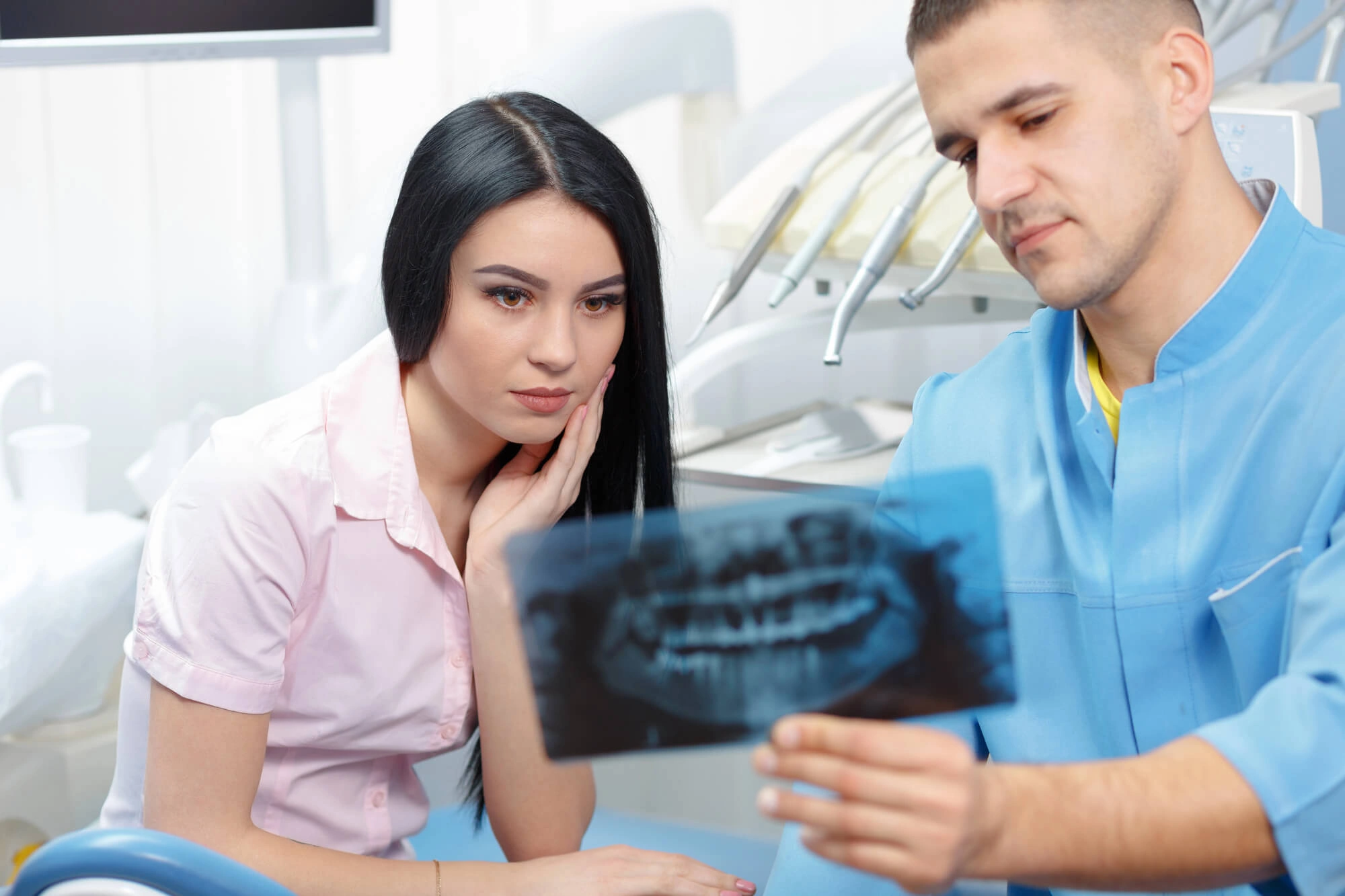
Digital X-rays, photographs, and impressions or digital scans provide detailed information about your teeth and jaw structure.
These images allow the orthodontist to develop an accurate treatment plan.
Personalized Treatment Recommendations
Every smile is unique.
Based on your evaluation, your orthodontist explains:
Your diagnosis
Available treatment options
Estimated treatment timeline
Expected results
Maintenance after treatment
You'll also have the opportunity to ask questions and discuss your treatment goals.
Why Orthodontic Care Is About More Than Appearance
Many people assume orthodontic treatment is purely cosmetic, but properly aligned teeth offer several important health benefits.
Straight teeth are generally easier to brush and floss, reducing plaque accumulation and lowering the risk of cavities and gum disease.
A balanced bite also helps distribute chewing forces evenly, reducing unnecessary stress on teeth and jaw joints.
Additional benefits include:
Improved oral hygiene
Better chewing efficiency
Reduced abnormal tooth wear
Healthier gums
Enhanced speech in some cases
Greater long-term comfort
Increased confidence
These improvements contribute to both oral health and overall well-being.
Whether you need routine dental care or specialized orthodontic treatment, choosing the right provider is an important step toward achieving a healthy smile. If you're experiencing crowded teeth, bite problems, or spacing concerns, seeking an orthodontic evaluation can help you understand your treatment options and create a personalized plan for lasting results. The experienced team at TLC Dental is dedicated to providing comprehensive orthodontic care tailored to patients of all ages. Schedule your consultation today and take the next step toward a healthier, more confident smile.
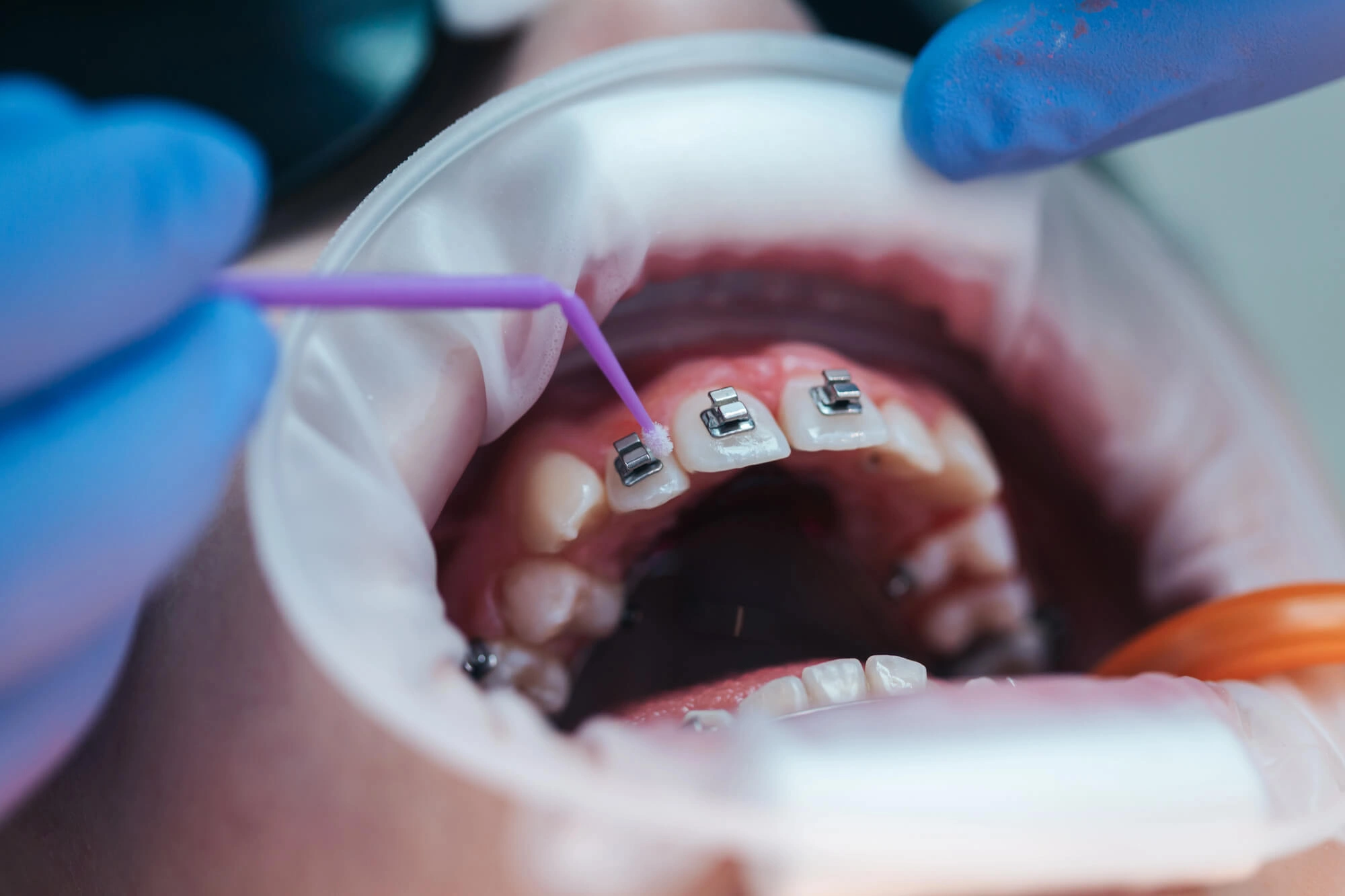
Braces may cause temporary discomfort, especially after they are first placed or adjusted, but they should not cause severe pain. Many patients considering Braces in Hollywood are concerned about discomfort, yet most find that any soreness is manageable and short-lived. Understanding what to expect can help you feel more confident and prepared before beginning orthodontic treatment.
Do Braces Actually Hurt?
One of the most common questions orthodontic patients ask is whether braces hurt. The simple answer is that braces can cause some discomfort, but the sensation is usually mild and temporary.
Braces work by applying gentle, consistent pressure to gradually move teeth into their proper positions. Because the teeth and surrounding tissues are adjusting to this pressure, it is normal to experience soreness at certain stages of treatment.
Most patients describe the feeling as pressure, tenderness, or mild aching rather than sharp pain. The discomfort typically decreases within a few days as the mouth adapts to the changes.
Understanding that these sensations are part of the alignment process can help patients feel more comfortable throughout treatment.
What to Expect When Braces Are First Placed
The first few days after receiving braces are usually when patients notice the most discomfort.
Initial Pressure and Soreness
When braces are first placed, the brackets and wires begin applying pressure to the teeth. Although you may not feel significant discomfort immediately, soreness often develops within several hours.
Common sensations include:
Mild aching in the teeth
Pressure when biting or chewing
Tenderness around the gums
Increased tooth sensitivity
These symptoms are temporary and typically improve within a few days.
Adjusting to Brackets and Wires
In addition to tooth soreness, patients often need time to adjust to the physical presence of braces inside the mouth.
Brackets may initially rub against the cheeks, lips, or tongue. This irritation is normal and usually improves as the soft tissues become accustomed to the braces. Orthodontic wax can often help reduce friction and improve comfort during this adjustment period.
Most patients adapt surprisingly quickly and find that speaking and eating become easier after the first week.
Do Braces Hurt After Adjustment Appointments?
Orthodontic treatment requires periodic adjustment appointments to keep teeth moving according to plan.
Why Adjustments Cause Temporary Discomfort
During adjustment visits, the orthodontist may tighten wires, replace elastic bands, or make other modifications. These changes reactivate the pressure needed to continue tooth movement.
As a result, patients often experience mild soreness for a day or two after appointments. This discomfort is generally similar to what was felt when braces were first placed, although it is often less intense because the mouth has already adapted to treatment.
The soreness is usually a sign that the braces are working as intended.
How Long Does the Discomfort Last?
For most patients, discomfort following adjustments lasts between one and three days. Some individuals experience only mild pressure, while others notice temporary tenderness when chewing.
The duration and intensity can vary based on:
Individual pain tolerance
Complexity of tooth movement
Type of adjustment performed
Stage of treatment
Fortunately, these sensations typically fade quickly as the teeth adjust to their new positions.
Tips for Managing Braces Discomfort
Although braces-related soreness is usually manageable, there are several ways to stay comfortable throughout treatment.
Choose Soft Foods
Eating softer foods during periods of soreness can reduce pressure on the teeth and make meals more enjoyable.
Good options include:
Yogurt
Mashed potatoes
Smoothies
Soup
Scrambled eggs
These foods allow patients to maintain proper nutrition while minimizing discomfort.
Use Orthodontic Wax
Orthodontic wax can be placed over brackets that are irritating the cheeks or lips. This creates a protective barrier that reduces friction and helps prevent sores from developing.
Many patients find wax especially helpful during the first few weeks of treatment.
Keeping teeth and gums clean is important throughout orthodontic treatment. Healthy gums are generally less prone to irritation and inflammation, making treatment more comfortable overall.
Brushing carefully around brackets and flossing regularly can help prevent oral health issues that may contribute to discomfort.
Are Braces More Comfortable Today?
Modern braces have come a long way from older orthodontic systems. Advances in materials and technology have improved both comfort and efficiency.
Today's braces are designed to apply gentler forces while still achieving effective tooth movement. Smaller brackets and improved wire technology often make treatment more comfortable than many people expect.
While some soreness remains a normal part of orthodontic treatment, modern techniques have helped reduce the discomfort associated with braces.
Why Temporary Discomfort Is Worth It
Orthodontic treatment is an investment in long-term oral health and confidence. Although temporary soreness may occur, the benefits often far outweigh the short-term inconvenience.
Straight teeth are easier to clean and maintain, which can reduce the risk of cavities and gum disease. Proper alignment also helps improve bite function and can reduce excessive wear on certain teeth.
Many patients report increased confidence after treatment because they feel more comfortable smiling, speaking, and interacting with others.
The temporary adjustments required during treatment ultimately lead to lasting improvements in both appearance and oral health.
What If Braces Cause Severe Pain?
While mild discomfort is normal, severe or persistent pain is not typical. Patients who experience significant discomfort, broken brackets, poking wires, or unusual symptoms should contact their orthodontic provider.
Prompt attention can help address problems quickly and ensure treatment continues as planned. Most orthodontic concerns can be resolved with simple adjustments or repairs.
Open communication with your dental team helps create a smoother and more comfortable treatment experience.
Frequently Asked Questions
How long do braces hurt after they are first placed?
Most patients experience mild soreness for three to five days after receiving braces. The discomfort gradually improves as the mouth adjusts to treatment.
Do braces hurt every day?
No. Most patients only experience temporary soreness after initial placement or adjustment appointments. Daily discomfort is generally minimal once the mouth adapts.
Are braces more painful for adults than teenagers?
Not necessarily. Adults and teenagers generally experience similar levels of discomfort, although individual experiences can vary.
Is soreness a sign that braces are working?
Yes. Mild pressure and tenderness often indicate that the teeth are responding to orthodontic forces and gradually moving into proper alignment.
Schedule Your Appointment for Braces in Hollywood Today
While braces may cause temporary discomfort, the process is usually much easier than many patients expect. Understanding what happens during treatment can help reduce anxiety and make the experience more manageable. The short-term soreness associated with braces is a normal part of achieving a healthier, straighter smile.
If you are considering orthodontic treatment, schedule a consultation with TLC Dental. Their experienced team can answer your questions, explain your options, and help you begin your journey toward improved oral health and a more confident smile.
Severe tooth pain, swelling, and signs of infection should never be ignored because they may indicate damage deep within the tooth. An emergency dentist in Ft Lauderdale can evaluate your symptoms and determine whether an emergency root canal is necessary to save your tooth and relieve discomfort. Seeking treatment quickly can help prevent the infection from spreading and reduce the risk of more extensive dental procedures.
What Is an Emergency Root Canal?
A root canal is a restorative dental procedure used to remove infected or damaged pulp from inside a tooth. The pulp contains nerves, blood vessels, and connective tissue that help the tooth develop. When this inner tissue becomes infected due to decay, trauma, or a crack in the tooth, immediate treatment may be necessary.
An emergency root canal is performed when symptoms become severe or when an infection poses a threat to the health of the tooth and surrounding tissues. The goal is to eliminate infection, relieve pain, and preserve the natural tooth whenever possible.
Without treatment, the infection can worsen and potentially spread to nearby areas, increasing the likelihood of tooth loss and other complications.
Common Signs You May Need an Emergency Root Canal
Recognizing the warning signs early can help you seek care before the problem becomes more serious.
One of the most common signs of a tooth infection is intense tooth pain that does not go away. The discomfort may be constant or may worsen when chewing, biting, or applying pressure to the affected tooth.
Pain caused by infected pulp often feels deeper than ordinary tooth sensitivity. Some patients describe it as throbbing, sharp, or radiating into the jaw, ear, or surrounding areas of the face.
If tooth pain is interfering with daily activities, sleeping, or eating, it may be time to seek emergency dental care.
Sensitivity That Lingers
Temporary sensitivity to hot or cold foods can be normal. However, lingering sensitivity that continues long after the source has been removed may indicate damage to the tooth's pulp.
This type of sensitivity often becomes more noticeable over time and may signal that infection or inflammation is affecting the nerve inside the tooth.
If hot coffee, cold drinks, or even room-temperature foods trigger prolonged discomfort, professional evaluation is recommended.
Signs of Infection That Require Immediate Attention
Infections inside the tooth can progress quickly, making prompt treatment important.
Swelling Around the Tooth or Gums
Swelling in the gums, face, or jaw may indicate that the infection has spread beyond the tooth itself. This is a serious symptom that should not be ignored.
Swelling can range from mild gum inflammation to noticeable facial swelling. In some cases, the area may feel tender or warm to the touch.
When swelling accompanies tooth pain, immediate dental evaluation is often necessary.
A Pimple or Abscess on the Gums
A small bump on the gums near a painful tooth may be an abscess. This occurs when an infection creates a pocket of pus within the surrounding tissues.
An abscess can cause:
Persistent pain
Swelling
Bad taste in the mouth
Unpleasant odor
Drainage from the affected area
Even if the abscess begins draining and the pain decreases, treatment is still necessary because the infection remains present.
Tooth Discoloration Can Signal Internal Damage
A tooth that suddenly appears darker than surrounding teeth may indicate internal damage or infection. Trauma, decay, or compromised blood flow inside the tooth can cause discoloration.
Unlike surface stains, discoloration caused by internal damage cannot be corrected with brushing or whitening products. If a tooth changes color unexpectedly, it should be examined by a dental professional.
When combined with pain or sensitivity, discoloration may indicate the need for root canal therapy.
Pain When Chewing or Biting
Pain that occurs while eating or applying pressure to a tooth may suggest infection or inflammation inside the pulp.
As the infection progresses, pressure from normal chewing can become increasingly uncomfortable. Some patients may avoid chewing on one side of the mouth altogether because of the discomfort.
This symptom often indicates that the inner tissues of the tooth are compromised and may require immediate treatment.
What Happens If You Delay Treatment?
Many people hope severe tooth pain will eventually disappear on its own. Unfortunately, dental infections rarely resolve without professional treatment.
In some cases, the infection may spread beyond the mouth and affect overall health. Early intervention significantly improves the chances of saving the natural tooth.
How an Emergency Root Canal Can Help
Root canal therapy removes infected tissue from inside the tooth and disinfects the canals to eliminate bacteria. Once the infection is removed, the tooth is sealed and often restored with a dental crown for additional protection.
The benefits of emergency root canal treatment include:
Relief from severe tooth pain
Elimination of infection
Preservation of the natural tooth
Restoration of normal chewing function
Prevention of future complications
Modern root canal procedures are designed to be comfortable and effective. Most patients find that treatment relieves pain rather than causing it.
What to Expect During Treatment
The procedure begins with a thorough examination and diagnostic imaging to identify the source of the problem. Local anesthesia is then used to ensure patient comfort throughout treatment.
The dentist carefully removes infected pulp tissue, cleans and disinfects the canals, and seals the tooth. Depending on the extent of damage, a dental crown may be recommended to strengthen the tooth and restore function.
Most patients can return to their normal activities shortly after treatment.
Frequently Asked Questions
Is a root canal considered a dental emergency?
A root canal may be considered an emergency when severe pain, swelling, infection, or an abscess is present and requires immediate treatment.
Can a tooth infection go away without treatment?
No. While symptoms may temporarily improve, the infection itself usually remains and can worsen over time without professional care.
How long does an emergency root canal take?
Most root canal procedures can be completed in one visit, although some complex cases may require additional appointments.
Will a root canal save my tooth?
In many cases, yes. Root canal therapy is specifically designed to remove infection while preserving the natural tooth structure.
Is it better to get a root canal or extraction?
When possible, preserving the natural tooth is usually preferred. A dentist can determine the most appropriate treatment based on the condition of the tooth.
Contact an Emergency Dentist in Ft Lauderdale When in Need of Help
Recognizing the warning signs of a serious tooth infection can make the difference between saving and losing a tooth. Severe pain, swelling, lingering sensitivity, and signs of infection should never be ignored. Seeking prompt treatment helps relieve discomfort and protects your long-term oral health.
If you are experiencing symptoms that may require urgent care, schedule an appointment with TLC Dental. Their experienced team can diagnose the problem, provide immediate relief, and recommend the most effective treatment to restore your comfort and protect your smile.
Use Your Tax Refund for Your Smile: Smart Ways to Invest in Dental Care
June 10, 2026
A tax refund can be a valuable opportunity to invest in your oral health and confidence. Whether you have been delaying treatment, considering cosmetic improvements, or exploring braces in Coral Springs, using your refund toward dental care and planning for braces can provide long-term benefits that extend far beyond a temporary purchase.
Why Investing in Your Smile Is a Smart Financial Decision
Many people view a tax refund as extra spending money, often using it for vacations, electronics, or other short-term purchases. While there is nothing wrong with enjoying a refund, investing part of it in your dental health can provide lasting value for years to come.
Your oral health affects much more than your smile. Healthy teeth and gums contribute to proper chewing, speech, comfort, and overall well-being. Addressing dental concerns early can also help prevent more costly treatments in the future.
By putting your tax refund toward preventive, restorative, or orthodontic care, you are making an investment in both your appearance and your long-term health.
Why Orthodontic Treatment Is Worth Considering
Orthodontic treatment is one of the most impactful ways to improve both dental function and smile aesthetics. Many adults and teenagers postpone treatment because of financial concerns, making tax season an ideal time to begin the process.
How Braces Improve More Than Appearance
While straighter teeth certainly enhance appearance, braces offer benefits that extend beyond cosmetics. Properly aligned teeth are easier to clean and maintain, reducing the risk of cavities and gum disease.
Orthodontic treatment may also help:
Improve bite alignment
Reduce uneven tooth wear
Enhance chewing efficiency
Minimize jaw discomfort
Improve overall oral hygiene
These functional improvements can contribute to better oral health for years after treatment is completed.
Why Tax Refund Season Is a Good Time to Start
Many patients use their refund as an initial investment toward orthodontic treatment. Starting treatment sooner allows patients to begin progressing toward their smile goals rather than postponing care indefinitely.
Using a refund for dental care can also reduce out-of-pocket expenses and make treatment planning more manageable.
Other Smart Dental Investments to Consider
While orthodontic treatment is a popular choice, there are many other ways to use a tax refund to improve oral health.
Preventive Dental Care
Preventive care is one of the most effective investments a patient can make. Regular dental visits help identify problems early and reduce the likelihood of needing extensive treatment later.
These services help maintain healthy teeth and gums while supporting long-term oral wellness.
Restorative Dental Treatments
Patients who have delayed treatment due to budget concerns may benefit from using a tax refund to address existing dental problems.
Common restorative treatments include fillings, crowns,root canals, and tooth replacement options. Addressing these issues promptly can help preserve natural teeth and prevent further complications.
Cosmetic Smile Enhancements
For patients interested in improving appearance, cosmetic dental treatments may also be a worthwhile investment. Procedures such as teeth whitening and cosmetic restorations can help create a brighter, more confident smile.
Many patients find that cosmetic improvements positively impact both personal and professional interactions.
The Long-Term Benefits of Investing in Dental Health
Unlike many purchases that lose value over time, dental care often provides benefits that continue for years.
A healthy smile can contribute to:
Greater confidence
Improved oral function
Better overall health
Reduced risk of future dental complications
Lower long-term treatment costs
Taking care of dental concerns early can prevent minor issues from becoming major problems. This proactive approach often saves both time and money in the future.
How to Prioritize Your Dental Needs
If you are unsure how to use your tax refund most effectively, a dental consultation can help identify your greatest needs and goals.
Some patients may benefit most from preventive care, while others may need restorative treatment or orthodontic correction. A personalized evaluation can help determine which treatments will provide the greatest long-term value.
Factors to consider include your oral health status, treatment priorities, cosmetic goals, and budget. By developing a plan with your dental team, you can maximize the impact of your investment.
Why Delaying Treatment Can Cost More Later
One of the biggest mistakes patients make is postponing recommended dental treatment. Small cavities can become larger, minor alignment problems can worsen, and untreated gum disease can lead to significant complications.
Addressing issues now may help prevent:
More extensive procedures
Increased treatment costs
Additional discomfort
Tooth loss
Longer recovery periods
Using a tax refund to begin treatment can help patients avoid these future challenges while improving their oral health immediately.
Frequently Asked Questions
Can I use my tax refund to start braces treatment?
Yes. Many patients use their tax refund as an initial payment toward orthodontic treatment, making it easier to begin improving their smile sooner.
Are braces only for teenagers?
No. Orthodontic treatment is suitable for both teens and adults. Many adults choose braces to improve alignment, oral health, and confidence.
How long does braces treatment usually take?
Treatment length varies depending on the complexity of the case, but most patients wear braces for approximately 12 to 24 months.
What other dental treatments can I invest in with my tax refund?
Many patients use their refund for professional cleanings, crowns, fillings, root canals, dental implants, teeth whitening, and other restorative procedures.
Is it better to address dental problems now rather than later?
Yes. Early treatment can prevent small issues from becoming more serious, helping patients avoid more complex procedures and higher treatment costs later.
Schedule Your Appointment for Braces in Coral Springs Today
Your tax refund represents an opportunity to make meaningful investments in yourself, and your smile is one of the best places to start. Whether you need preventive care, restorative treatment, or orthodontic correction, taking action today can provide benefits that last for years.
Schedule a consultation with TLC Dental to explore your treatment options and create a personalized plan for achieving your oral health goals. Their experienced team can help you make the most of your investment and take the next step toward a healthier, more confident smile.
Missing One Tooth? Why Single Dental Implants Are a Long-Term Solution
June 3, 2026
Replacing a missing tooth as soon as possible can help preserve your oral health, prevent future dental complications, and restore confidence in your smile. A dental implant in Tamarac is often considered the gold standard for replacing a single missing tooth because it provides stability, durability, and a natural appearance while supporting long-term oral health.
Why Even One Missing Tooth Should Not Be Ignored
Many people believe that losing a single tooth is not a serious issue, especially if it is located toward the back of the mouth. However, every tooth plays an important role in maintaining proper bite alignment, chewing function, and jawbone health.
When a tooth is lost, the surrounding teeth begin to compensate for the missing space. Over time, neighboring teeth may gradually shift out of position, causing alignment issues that can affect chewing and oral comfort. The opposing tooth may also begin to move because it no longer has a tooth to bite against.
In addition, the jawbone beneath the missing tooth begins to deteriorate. Without stimulation from a tooth root, the bone gradually shrinks, which can affect facial appearance and weaken support for nearby teeth. Replacing a missing tooth helps prevent these issues before they become more difficult to treat.
What Is a Single Dental Implant?
A single dental implant is a permanent tooth replacement solution designed to replace one missing tooth without affecting neighboring teeth. The implant consists of a titanium post that is surgically placed into the jawbone, where it functions as an artificial tooth root.
After the implant integrates with the bone, a connector known as an abutment is attached. A custom-made dental crown is then secured to the implant, completing the restoration.
The result is a replacement tooth that closely resembles a natural tooth in appearance, function, and feel.
Components of a Dental Implant
A dental implant restoration is made up of three primary parts:
The titanium implant post
The abutment connector
The custom dental crown
Each component works together to create a stable and long-lasting replacement for the missing tooth.
Why Dental Implants Feel Natural
One reason dental implants are so popular is that they function similarly to natural teeth. Because the implant is anchored directly into the jawbone, it provides exceptional stability during chewing and speaking.
Unlike removable options, implants do not shift, slip, or require adhesives. Most patients quickly forget they even have an implant because it feels like a natural part of their smile.
Why Dental Implants Are Considered a Long-Term Solution
Dental implants offer several unique advantages that make them one of the most reliable restorative treatments available today.
Preservation of Jawbone Health
One of the biggest benefits of dental implants is their ability to help preserve jawbone density. When you chew, the implant transfers pressure into the jawbone just as a natural tooth root would.
This stimulation encourages the bone to remain healthy and strong. In contrast, other tooth replacement options may restore appearance and function but do not prevent the bone loss that often follows tooth extraction.
Protection of Adjacent Teeth
Traditional dental bridges often require healthy neighboring teeth to be reshaped in order to support the restoration. This process permanently alters those teeth.
A single implant stands independently and does not rely on adjacent teeth for support. This allows surrounding teeth to remain intact while restoring the missing tooth.
Exceptional Durability
Dental implants are designed to withstand normal daily chewing forces. With proper oral hygiene and routine dental care, many implants last for decades.
Because of their longevity, dental implants are often viewed as a long-term investment in oral health. Many patients find that the durability of implants makes them a valuable solution compared to options that may require replacement more frequently.
Comparing Dental Implants to Other Tooth Replacement Options
Patients replacing a single missing tooth often have several treatment options available. Understanding the differences can help determine which solution best meets their needs.
Dental Implants vs. Dental Bridges
Dental bridges can effectively fill a gap left by a missing tooth. However, they require support from neighboring teeth and do not replace the missing root.
Dental implants offer several advantages over bridges, including:
Preservation of adjacent healthy teeth
Better jawbone support
Longer lifespan
Easier maintenance
More natural function
Dental Implants vs. Partial Dentures
Removable partial dentures are another option for replacing missing teeth. While they may be less expensive initially, they often require adjustments and replacements over time.
Dental implants provide greater stability and comfort because they become integrated with the jawbone. Many patients prefer implants because they eliminate concerns about movement while eating or speaking.
What to Expect During the Dental Implant Process
The dental implant process typically begins with a thorough consultation and examination. Your dentist will evaluate your oral health, review your medical history, and determine whether you have sufficient bone support for treatment.
Once treatment is planned, the implant post is placed into the jawbone. During the healing period, the implant gradually fuses with the bone through a natural process known as osseointegration.
After healing is complete, the abutment and custom crown are attached. The final restoration is carefully designed to blend naturally with surrounding teeth and provide optimal function.
While the process takes several months from start to finish, the long-term benefits often make the investment worthwhile.
Many adults who have lost a tooth are good candidates for dental implants. Ideal candidates generally have healthy gums, adequate bone support, and a commitment to maintaining good oral hygiene.
Even if some bone loss has occurred, additional treatments may help prepare the area for implant placement. A professional evaluation can determine whether an implant is the right solution for your situation.
Factors that may influence candidacy include overall health, smoking habits, and existing oral conditions. A personalized assessment helps ensure the best possible outcome.
Caring for Your Dental Implant
One of the advantages of dental implants is that they are easy to maintain. Daily care is very similar to caring for natural teeth.
Consistent oral hygiene helps protect the tissues surrounding the implant and contributes to long-term success.
Frequently Asked Questions
Is getting a dental implant painful?
Most patients report that the procedure is more comfortable than expected. Local anesthesia helps minimize discomfort during treatment, and any soreness afterward is usually temporary.
How long does a dental implant last?
With proper care and regular dental visits, a dental implant can last for decades. Many patients enjoy long-term success and function from their implant restorations.
Schedule Your Appointment for Dental Implant in Tamarac Today
Replacing a single missing tooth is about more than restoring your smile. It is an important step toward protecting your oral health, maintaining jawbone structure, and preserving proper dental function for years to come. A dental implant offers a stable, natural-looking, and long-lasting solution that can improve both confidence and quality of life.
For personalized implant care and expert restorative treatment, schedule a consultation with TLC Dental. Their experienced team can evaluate your needs, answer your questions, and help you determine whether dental implants are the right solution for restoring your complete and healthy smile.
Gum disease can be reversed or controlled when treated early by a Dentist in Tamarac through deep cleaning, ongoing maintenance, and personalized periodontal care. Gum disease is one of the most common oral health issues among adults, yet it often goes unnoticed until it becomes more advanced. Visiting a Dentist regularly plays a crucial role in detecting and treating periodontal disease before it leads to tooth loss or serious gum damage. Healthy gums are the foundation of a healthy smile, and effective treatment focuses on stopping infection, restoring gum health, and preventing recurrence.
Understanding how dentists treat gum disease helps patients take action early and avoid long-term complications.
Understanding Gum Disease and Why Treatment Matters
Gum disease, also known as periodontal disease, is an infection caused by bacteria in plaque that builds up along the gumline. When plaque is not removed properly through daily oral care and professional cleanings, it hardens into tartar and triggers inflammation in the gums.
There are two main stages of gum disease:
Gingivitis (early, reversible stage)
Periodontitis (advanced, progressive stage)
Gingivitis affects only the gums and can often be reversed with proper care. Periodontitis, however, affects the deeper structures that support teeth, including bone, and requires more advanced treatment.
Early Warning Signs Patients Often Miss
One of the biggest challenges with gum disease is that it can develop silently. Many patients do not feel pain in the early stages, which leads them to delay treatment.
Recognizing these symptoms early makes treatment more effective and less invasive.
Why Gum Disease Progresses Without Treatment
Gum disease worsens when bacteria continue to accumulate below the gumline. Over time, the infection creates pockets between teeth and gums, allowing more bacteria to thrive.
Factors that increase risk include:
Poor oral hygiene habits
Smoking or tobacco use
Diabetes and other health conditions
Hormonal changes
Genetic predisposition
Without professional intervention, the condition can lead to irreversible damage.
How a Dentist Diagnoses Gum Disease
A Dentist begins treatment with a detailed examination of the gums, teeth, and supporting bone structure. Early diagnosis is essential for determining the severity of the disease and selecting the appropriate treatment plan.
Comprehensive Gum Evaluation
During an exam, the dentist checks for signs of inflammation, bleeding, and gum recession. Special instruments are used to measure the depth of gum pockets around each tooth.
Deeper pockets often indicate more advanced periodontal disease, requiring more intensive treatment.
Imaging and Diagnostic Tools
Dental X-rays may be taken to assess bone loss and detect hidden infection below the gumline. These images help the dentist understand how far the disease has progressed and whether deeper structures are affected.
Professional Treatments for Gum Disease
Once gum disease is diagnosed, treatment focuses on removing bacteria, reducing inflammation, and restoring gum health. The approach depends on the severity of the condition.
Deep Cleaning Procedures: Scaling and Root Planing
One of the most common treatments for gum disease is scaling and root planing, also known as deep cleaning.
Scaling involves removing plaque and tartar from above and below the gumline. Root planing smooths the tooth roots to help the gums reattach and prevent bacteria from accumulating again.
This treatment helps:
Reduce gum inflammation
Eliminate bacterial buildup
Shrink gum pockets
Promote healing of gum tissue
For many patients, this procedure is the first step in controlling periodontal disease.
Ongoing Periodontal Maintenance
After initial treatment, ongoing care is essential to prevent gum disease from returning. A Dentist in Tamarac typically recommends more frequent cleanings to maintain gum health.
Maintenance care may include:
Regular deep cleanings every few months
Monitoring of gum pocket depth
Evaluation of gum healing progress
Reinforcement of oral hygiene techniques
This long-term approach ensures that bacteria do not build up again and cause reinfection.
Advanced Gum Disease Treatment Options
In more severe cases, additional treatments may be needed to restore gum and bone health.
Antibiotic Therapy
Sometimes antibiotics are used alongside deep cleaning to control bacterial infection. These may be applied directly into gum pockets or prescribed orally, depending on the severity of the condition.
Antibiotics help reduce bacteria and support healing after cleaning procedures.
Surgical Treatment Options
For advanced periodontitis, surgical procedures may be necessary to clean deeper areas or restore lost bone and tissue.
These options are typically recommended when non-surgical treatments are not enough to control the disease.
How Patients Can Support Treatment at Home
Professional care is essential, but daily habits play a major role in treatment success. Patients who follow proper oral hygiene routines tend to recover faster and maintain healthier gums long-term.
Daily Oral Care Habits
Good oral hygiene helps reduce bacteria and prevent further infection.
Important habits include:
Brushing twice daily with fluoride toothpaste
Flossing every day to remove plaque between teeth
Using antibacterial mouthwash if recommended
Avoiding smoking or tobacco products
Maintaining a balanced diet
Consistency is key to preventing recurrence.
Lifestyle Changes That Improve Gum Health
Certain lifestyle choices can also support gum healing and reduce disease risk.
Healthy habits improve the body’s ability to fight infection and recover.
What Happens If Gum Disease Is Not Treated?
Without treatment, gum disease can progress into more serious stages that damage both gums and bone structure.
Possible consequences include:
Severe gum recession
Loose teeth
Bone loss in the jaw
Tooth loss
Chronic infection
Beyond oral health, untreated gum disease has also been linked to systemic conditions such as heart disease and diabetes complications.
The Importance of Early Intervention
The earlier gum disease is treated, the better the outcome. In many cases, gingivitis can be completely reversed with professional cleaning and improved home care. Even early periodontitis can be controlled effectively with consistent treatment.
Delaying care allows bacteria to spread deeper, making treatment more complex and recovery longer.
Schedule Your Appointment with the Dentist in Tamarac
Seeking care from a Dentist is the most effective way to treat gum disease and protect long-term oral health. Professional diagnosis, deep cleaning, and ongoing maintenance can stop infection, restore gum health, and prevent serious complications. TLC Dental provides comprehensive periodontal care designed to treat gum disease effectively while supporting healthier gums and a stronger smile for years to come. Book your consultation now.
Affordable Dental Veneers: What You Really Get for the Price
May 18, 2026
Affordable dental veneers offer a long-term cosmetic solution that enhances smile appearance, improves confidence, and provides durable, natural-looking results when properly planned and maintained. A confident smile can change the way you interact with people, how you feel in photos, and even how you present yourself in professional settings. Many patients searching for affordable dental solutions are surprised to learn that veneers do far more than improve tooth color. They reshape, refine, and completely transform the appearance of a smile in a way that looks natural and balanced.
Porcelain veneers are one of the most popular cosmetic dentistry treatments today because they deliver noticeable improvements without extensive surgery or long recovery periods. However, understanding what you actually receive for the cost helps patients see the real value behind the treatment and why so many people choose it for smile makeovers.
What Are Porcelain Veneers and Why Are They So Popular?
Porcelain veneers are thin, custom-crafted shells designed to cover the front surface of teeth. Their purpose is to improve color, shape, alignment, and symmetry while maintaining a natural tooth appearance. Each veneer is individually designed to match the patient’s facial features, ensuring that the final result blends seamlessly with the rest of the smile.
What makes veneers especially popular is their ability to solve multiple cosmetic problems at once. Instead of undergoing separate treatments for whitening, reshaping, and alignment correction, veneers offer a complete transformation in a single treatment plan.
How Veneers Improve Multiple Smile Concerns
Veneers are often recommended because they can address a wide range of imperfections that affect smile confidence.
By addressing these concerns together, veneers create a more balanced and symmetrical smile without the need for multiple procedures.
Why Veneers Look Natural Instead of Artificial
Modern porcelain materials are designed to mimic natural enamel. They reflect light in a similar way to real teeth, which helps create a natural shine instead of a flat or overly bright appearance.
Dentists also customize each veneer based on facial structure, gum line, and tooth proportions, ensuring the final result enhances the patient’s overall appearance rather than looking “done.”
What You Actually Get With Veneer Treatment
When patients invest in veneers, they are paying for far more than just material. The treatment includes planning, design, customization, artistry, and long-term cosmetic improvement.
The process begins with a detailed consultation where the dentist evaluates the patient’s teeth, facial symmetry, and smile goals. This stage is essential because it determines the final look of the veneers and ensures that the outcome fits naturally with the patient’s features.
Digital imaging or smile previews are often used to help patients visualize their future smile before any work begins. This step provides clarity and helps align expectations with realistic results.
Once the design is finalized, the teeth are gently prepared, and temporary veneers may be placed while the permanent ones are being created in a dental lab. Each final veneer is crafted from high-quality porcelain that is shaped and shaded specifically for the patient.
After placement, the veneers are bonded to the teeth and carefully adjusted to ensure proper bite alignment and comfort. The result is an immediate transformation in both appearance and confidence.
Are Veneers Really an Affordable Dental Option?
While veneers are often considered a premium cosmetic treatment, many patients view them as a long-term investment rather than a short-term expense. This is because they address multiple cosmetic concerns at once and reduce the need for repeated treatments over time.
The cost of veneers varies depending on several important factors, including the number of teeth being treated, the complexity of the smile design, and whether any preparatory dental work is required. Since every smile is unique, treatment plans are fully customized rather than standardized.
Although the upfront cost may seem higher compared to other cosmetic options, veneers often provide greater long-term value. Patients do not need frequent whitening sessions, repeated bonding repairs, or ongoing cosmetic touch-ups once veneers are placed.
Why Veneers Can Be Cost-Effective Over Time
When looking at long-term benefits, veneers often become a practical choice for patients seeking lasting results.
They offer:
Reduced need for repeated cosmetic treatments
Long-lasting aesthetic improvement
Resistance to staining compared to natural enamel
Consistent smile appearance for many years
Fewer maintenance procedures overall
This long-term stability is one of the biggest reasons veneers are considered valuable in cosmetic dentistry.
The Veneer Treatment Process Explained Step by Step
The veneer process is carefully structured to ensure precision, comfort, and natural-looking results. It typically takes a few visits to complete, depending on the number of teeth being treated.
During the initial appointment, the dentist performs an examination and discusses the patient’s smile goals. After this, a treatment plan is created, including digital impressions or scans to guide the design process.
The teeth are then lightly prepared to allow proper bonding. Temporary veneers may be placed to protect the teeth and provide a preview of the final appearance. Once the custom veneers are ready, they are permanently bonded and adjusted for fit and aesthetics.
Patients often notice an immediate improvement in brightness, symmetry, and overall smile harmony. The transformation is visible right away, but the final result continues to settle as the patient adjusts to their new smile.
Life After Veneers: Care and Maintenance
Maintaining veneers is relatively simple, which adds to their appeal. With proper care, they can maintain their appearance for many years.
Daily oral hygiene remains essential, including brushing and flossing to keep both natural teeth and veneers clean. Regular dental checkups help ensure that everything remains in good condition.
Patients are also advised to avoid habits such as biting hard objects or using teeth as tools, as this can damage both natural teeth and veneers. While porcelain is strong, it is not indestructible, so mindful care is important for long-term success.
Who Benefits Most From Veneers?
Veneers are ideal for patients who want a full smile transformation rather than minor corrections. They are especially effective for individuals with multiple cosmetic concerns affecting the appearance of their teeth.
Ideal candidates typically include those with stained teeth that do not respond to whitening, chipped or uneven enamel, small gaps, or mild alignment issues. Patients should also have healthy gums and good overall oral health before undergoing treatment.
A dental evaluation is necessary to determine whether veneers are the right option or if additional treatments are needed beforehand.
The Confidence Impact of a New Smile
Beyond physical appearance, veneers often create a significant emotional impact. Many patients report feeling more confident in social settings, more comfortable smiling in photos, and more positive in everyday interactions.
A balanced and brighter smile can improve self-esteem and influence how people perceive themselves. This confidence boost is one of the most meaningful outcomes of cosmetic dentistry.
Transform Your Smile With Affordable Dental Veneers
Choosing veneers is a powerful way to improve your smile, confidence, and overall appearance with long-lasting results. Veneers provide a customized solution that enhances both function and aesthetics while delivering a natural-looking transformation that can last for years with proper care. TLC Dental offers expert cosmetic dentistry services designed to help patients achieve beautiful, confident smiles tailored to their individual goals. Schedule your appointment now.
Invisalign® is often the preferred choice for adults due to its discreet appearance and comfort, while braces remain more effective for complex orthodontic cases requiring stronger control.
Choosing between Invisalign and braces is a major decision for adults who want to improve their smile. Many patients searching for Affordable Invisalign Treatment want a solution that fits their lifestyle, professional image, and comfort needs without compromising results. Both Invisalign and traditional braces are effective for straightening teeth, but they differ significantly in appearance, convenience, daily impact, and treatment experience.
Understanding these differences helps adults make a confident decision based on their dental condition, personal goals, and long-term expectations.
How Invisalign and Braces Work
Invisalign and braces both aim to move teeth into better alignment over time, but they use completely different systems to achieve this.
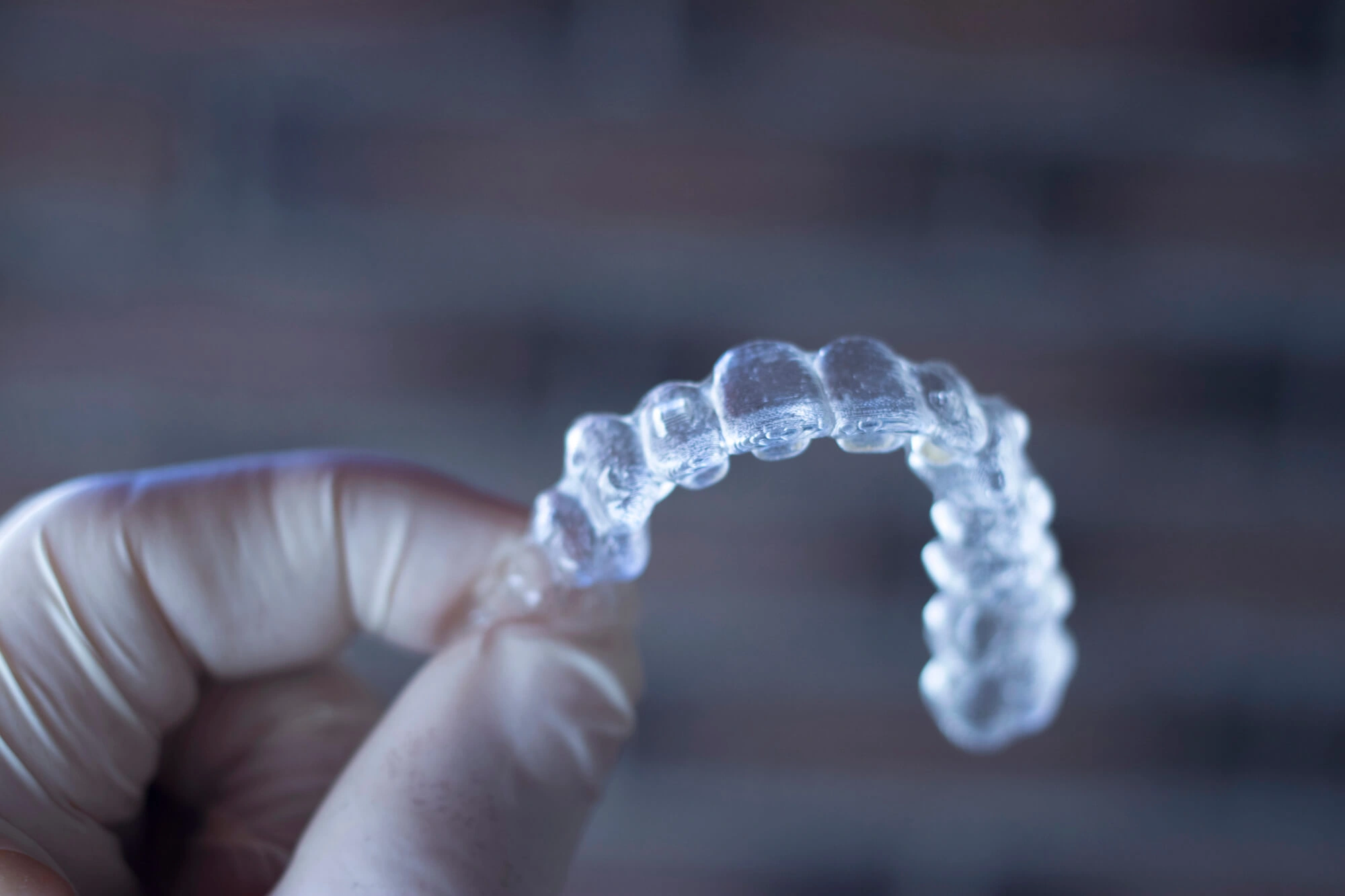
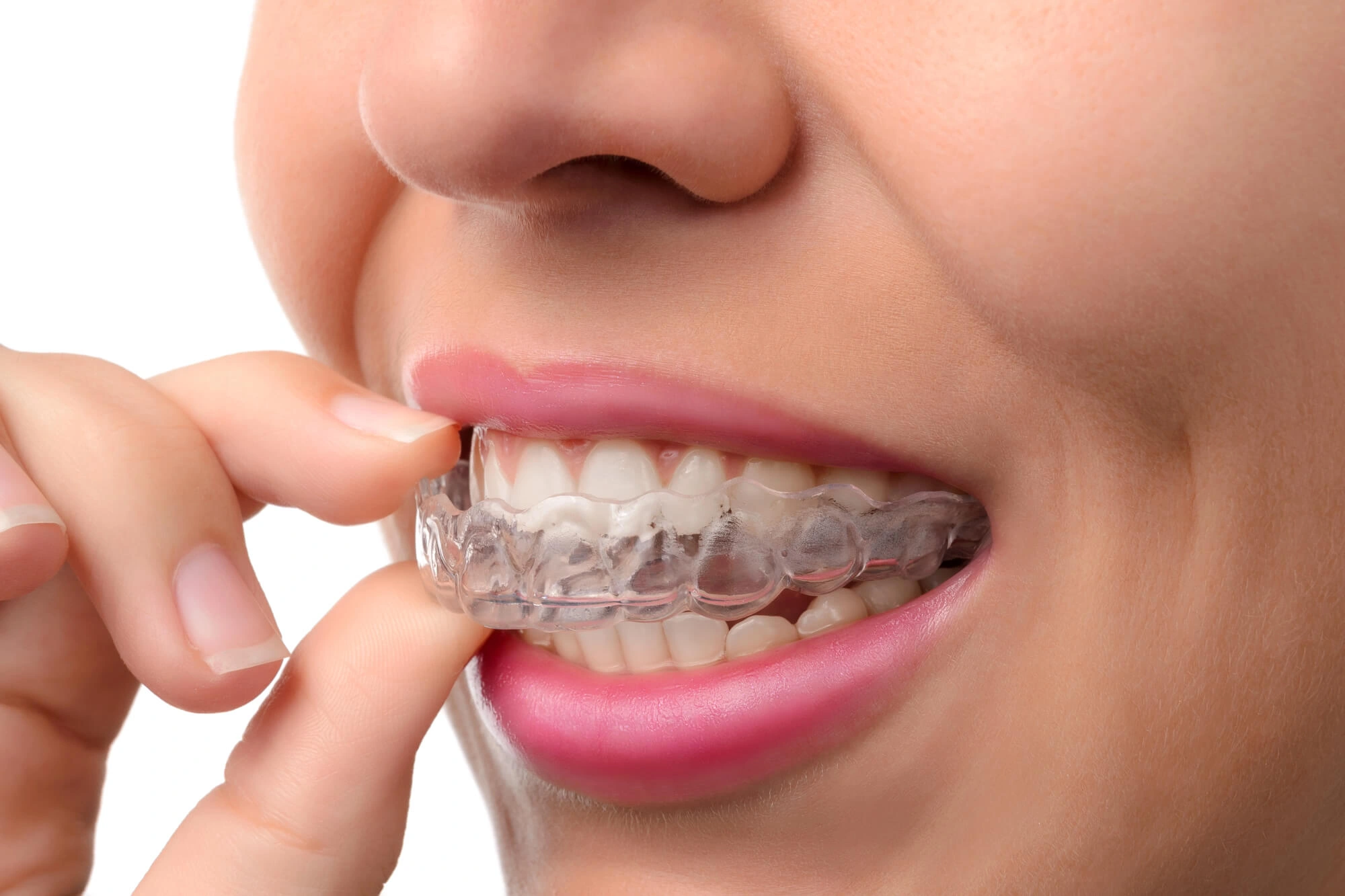
Braces use metal brackets and wires that are bonded to the teeth. These wires are adjusted periodically to apply continuous pressure, gradually shifting teeth into position. Invisalign, on the other hand, uses a series of clear plastic aligners that are custom-made to fit snugly over the teeth and are changed every one to two weeks.
While both methods are effective, the patient experience is very different, especially for adults who prioritize comfort and appearance.
Why Invisalign Appeals to Adult Patients
Invisalign has become extremely popular among adults because it offers a nearly invisible way to straighten teeth. The clear aligners are discreet, making them ideal for professionals, parents, and individuals who do not want visible orthodontic appliances.
Adults often prefer Invisalign because it provides:
A discreet and nearly invisible appearance
Removable aligners for eating and brushing
Fewer dietary restrictions compared to braces
Improved comfort with smooth plastic trays
Easier oral hygiene maintenance
These benefits make Invisalign especially appealing for adults balancing work, social life, and daily responsibilities.
How Braces Still Provide Strong Orthodontic Control
Despite Invisalign’s popularity, braces remain a highly effective treatment option, especially for complex dental cases. Because they are fixed to the teeth, braces allow for continuous and precise control over tooth movement.
Braces are often recommended when:
Severe crowding or spacing is present
Teeth require significant rotation
Complex bite correction is needed
Patient compliance with aligners may be difficult
Since braces do not rely on patient discipline, they can sometimes achieve more predictable results for complicated cases.
Invisalign vs Braces: Key Differences for Adults
When comparing Invisalign and braces, several important factors influence which option is better for adult patients. These include aesthetics, comfort, lifestyle impact, and treatment management.
Appearance and Social Confidence
One of the biggest differences is visibility. Invisalign aligners are clear and nearly invisible, making them a preferred option for adults who want a subtle treatment option.
Braces, in contrast, are highly visible due to their metal brackets and wires. While modern braces are smaller than in the past, they are still noticeable in social and professional settings.
For many adults, the ability to smile confidently during treatment is a major deciding factor.
Comfort and Daily Lifestyle Impact
Comfort plays a big role in treatment choice. Invisalign aligners are smooth and do not contain metal components that may irritate the mouth. They can also be removed when eating or brushing, allowing patients to maintain their normal routine.
Braces are fixed in place and may cause mild discomfort after adjustments. They also require dietary restrictions to avoid damaging brackets and wires.
This difference in lifestyle impact often makes Invisalign more convenient for adults with busy schedules.
Responsibility and Treatment Discipline
One key difference is patient responsibility. Invisalign requires consistent wear of 20 to 22 hours per day. Removing aligners too often can delay progress and extend treatment time.
Braces do not require the same level of discipline because they are permanently fixed to the teeth and work continuously.
This means braces may be more suitable for patients who prefer a “set it and forget it” approach.
Is Invisalign Faster Than Braces for Adults?
Treatment speed depends more on case complexity than the system itself. For mild to moderate alignment issues, Invisalign can be just as fast or even faster than braces.
However, for more complex orthodontic cases, braces may achieve results more efficiently due to stronger and more direct force.
On average:
Mild cases: Invisalign and braces are similar in duration
Moderate cases: Invisalign may be slightly faster with good compliance
Complex cases: Braces may be more efficient
Ultimately, the orthodontist determines the best approach based on the patient’s needs.
Cost and Value Considerations
Cost is an important factor when comparing treatment options. While both Invisalign and braces require an investment, they are long-term solutions for improving oral health and smile aesthetics.
Many patients are drawn to Invisalign because of its comfort, aesthetics, and convenience. While braces may sometimes have a slightly lower upfront cost, Invisalign offers added lifestyle benefits that many adults find worthwhile.
It is important to consider long-term value, not just initial price, when choosing between options.
Which Option Is Better for Adults?
There is no universal answer, as the best option depends on individual needs.
Invisalign is often better for adults who want:
A discreet treatment option
Flexibility in daily life
Easier oral hygiene maintenance
Mild to moderate alignment correction
Braces are often better for adults who need:
Complex bite correction
Severe tooth movement
More controlled orthodontic force
A treatment that does not rely on compliance
A professional dental evaluation is the best way to determine which option will deliver the most effective results.
FAQ: Invisalign vs Braces for Adults
1. Is Invisalign better than braces for adults?
In many cases, Invisalign is preferred for adults due to its discreet appearance and comfort, but braces may be better for complex cases.
2. How long does Invisalign take compared to braces?
Both treatments can take similar timeframes, typically 6–24 months depending on case complexity and patient compliance.
3. Is Invisalign painful?
Invisalign may cause mild pressure when switching aligners, but it is generally less uncomfortable than braces.
4. Can I eat normally with Invisalign?
Yes, aligners are removable, so patients can eat normally without dietary restrictions.
5. What happens if I don’t wear Invisalign enough?
Not wearing aligners for the recommended 20–22 hours daily can delay treatment and affect final results.
Achieve a Confident Smile With Affordable Invisalign Treatment
Choosing Affordable Invisalign Treatment can be a life-changing step for adults who want a straighter smile without the visibility and restrictions of traditional braces. Invisalign offers a modern, flexible, and discreet way to improve alignment while fitting seamlessly into daily life. TLC Dental provides personalized orthodontic care designed to help adults achieve healthy, confident, and beautifully aligned smiles through expert Invisalign treatment tailored to individual needs. Schedule your appointment today.
*Invisalign®, the Invisalign logo, and iTero®, among others, are trademarks and/ or service marks of Align Technology, Inc. or one of its subsidiaries or affiliated companies and may be registered in the U.S. and/or other countries.
A Wedding-Ready Smile Starts With a Brighter, More Confident You
May 4, 2026
A professionally whitened smile can dramatically improve your wedding photos and confidence, and the best results come from planning whitening at the right time before your big day.
Weddings are full of unforgettable moments, and your smile is one of the most captured details of the entire event. From engagement photos to walking down the aisle, many people want to look their absolute best, which is why Affordable Teeth Whitening has become one of the most popular pre-wedding cosmetic treatments. It is a simple yet powerful way to enhance your appearance, boost confidence, and ensure your smile looks bright and camera-ready on one of the most important days of your life.
A white smile doesn’t just improve photos—it changes how you feel in every moment, helping you enjoy your celebration without hesitation or self-consciousness.
Why Your Smile Matters So Much on Your Wedding Day
Your wedding day involves constant attention, photography, and close-up interactions with guests. This makes your smile one of the most noticeable features throughout the entire celebration. Over time, teeth naturally lose brightness due to food, beverages, aging, and lifestyle habits, which can affect how confident you feel in photos and face-to-face moments.
Teeth whitening helps reverse these surface stains and restore a cleaner, more youthful appearance. It is one of the quickest cosmetic improvements available, which is why many brides, grooms, and wedding parties choose it before the big day.
How a Brighter Smile Impacts Your Appearance
A whiter smile does more than improve your teeth—it enhances your overall facial aesthetics. When teeth are brighter, the entire face appears more vibrant and balanced.
Some noticeable benefits include:
Enhanced brightness in photos under different lighting
A more youthful and refreshed appearance
Improved symmetry between facial features
Greater attention to natural expressions
Increased confidence when smiling or speaking
Because wedding photography captures every detail, even a small improvement in tooth color can create a significant visual difference.
The Emotional Confidence Factor
Beyond appearance, whitening plays a major emotional role. Many people feel more relaxed and expressive when they are not worried about how their smile looks. This is especially important during a wedding, where emotions, laughter, and candid moments are constant.
When patients feel confident in their smile, they tend to enjoy the experience more fully, without holding back in photos or conversations.
Understanding Teeth Whitening Options Before a Wedding
There are several whitening options available, but not all provide the same level of results or speed. Understanding these differences helps you choose the right approach based on your timeline and goals.
Professional Whitening vs Store-Bought Products
Professional whitening treatments use stronger bleaching agents that are applied safely under dental supervision. This allows for faster and more noticeable results compared to over-the-counter products.
Store-bought whitening strips or kits typically contain lower concentrations of whitening ingredients, which means results take longer and may not be as even.
Professional whitening is often preferred before weddings because it provides:
Longer-lasting brightness compared to at-home kits
While at-home options can help maintain results, they are usually not strong enough for dramatic pre-wedding transformation.
When to Schedule Whitening Before Your Wedding
Timing is one of the most important factors in achieving the perfect wedding smile. Whitening too early may allow slight dulling to return, while doing it too late may not give enough time for sensitivity to settle.
Most dental professionals recommend whitening about 2–4 weeks before the wedding. This timing allows the smile to reach its peak brightness while still looking fresh for the event.
How Affordable Teeth Whitening Works
Professional whitening is a straightforward process designed to safely lift stains and brighten enamel. Even though results are quick, the treatment is carefully controlled to protect your teeth and gums.
Step-by-Step Whitening Process
The process typically includes an initial evaluation, followed by application of a whitening gel that targets deep and surface stains. The gel is activated and monitored to ensure even results and comfort throughout the session.
Most patients notice visible improvement after just one appointment, with teeth appearing several shades lighter depending on the starting condition.
Why Professional Whitening Is More Effective
One of the reasons patients choose professional whitening over DIY kits is the strength and precision of the treatment. Dentists can adjust the whitening level based on sensitivity and desired results, ensuring a more predictable outcome.
This combination makes it especially ideal for time-sensitive events like weddings.
Preparing for Your Wedding Whitening Treatment
Preparation plays a key role in getting the best possible results from whitening. Small lifestyle adjustments before and after treatment can make a noticeable difference in how long your results last.
How to Get the Best Possible Results
To maximize your whitening outcome, patients are encouraged to maintain good oral hygiene and avoid habits that stain teeth leading up to treatment.
Helpful preparation steps include:
Brushing and flossing consistently before treatment
These simple habits help ensure the whitening results appear brighter and last longer.
Managing Sensitivity and Aftercare
Some patients may experience mild sensitivity after whitening, which is temporary and usually resolves within a few days. Using desensitizing toothpaste and avoiding extreme temperatures in food and drinks can help reduce discomfort.
Following aftercare instructions also helps maintain brightness and protect enamel during the first few days after treatment.
Why Wedding Whitening Is Worth the Investment
Even though weddings involve many expenses, whitening remains one of the most affordable and high-impact cosmetic treatments available. It offers immediate visual improvement without invasive procedures or long recovery times.
For many patients, the confidence boost alone is worth it. Feeling good about your smile can make a significant difference in how you experience your wedding day, from photos to personal interactions.
Create Your Perfect Wedding Smile With Affordable Teeth Whitening
Choosing Affordable Teeth Whitening is one of the simplest ways to achieve a bright, confident, and photo-ready smile for your wedding day. With the right timing and professional care, you can enjoy noticeable improvements that enhance both your appearance and confidence throughout your celebration. TLC Dental provides professional whitening treatments designed to deliver safe, effective, and beautiful results so you can smile freely on your most important day. Schedule your appointment today.











.webp)
