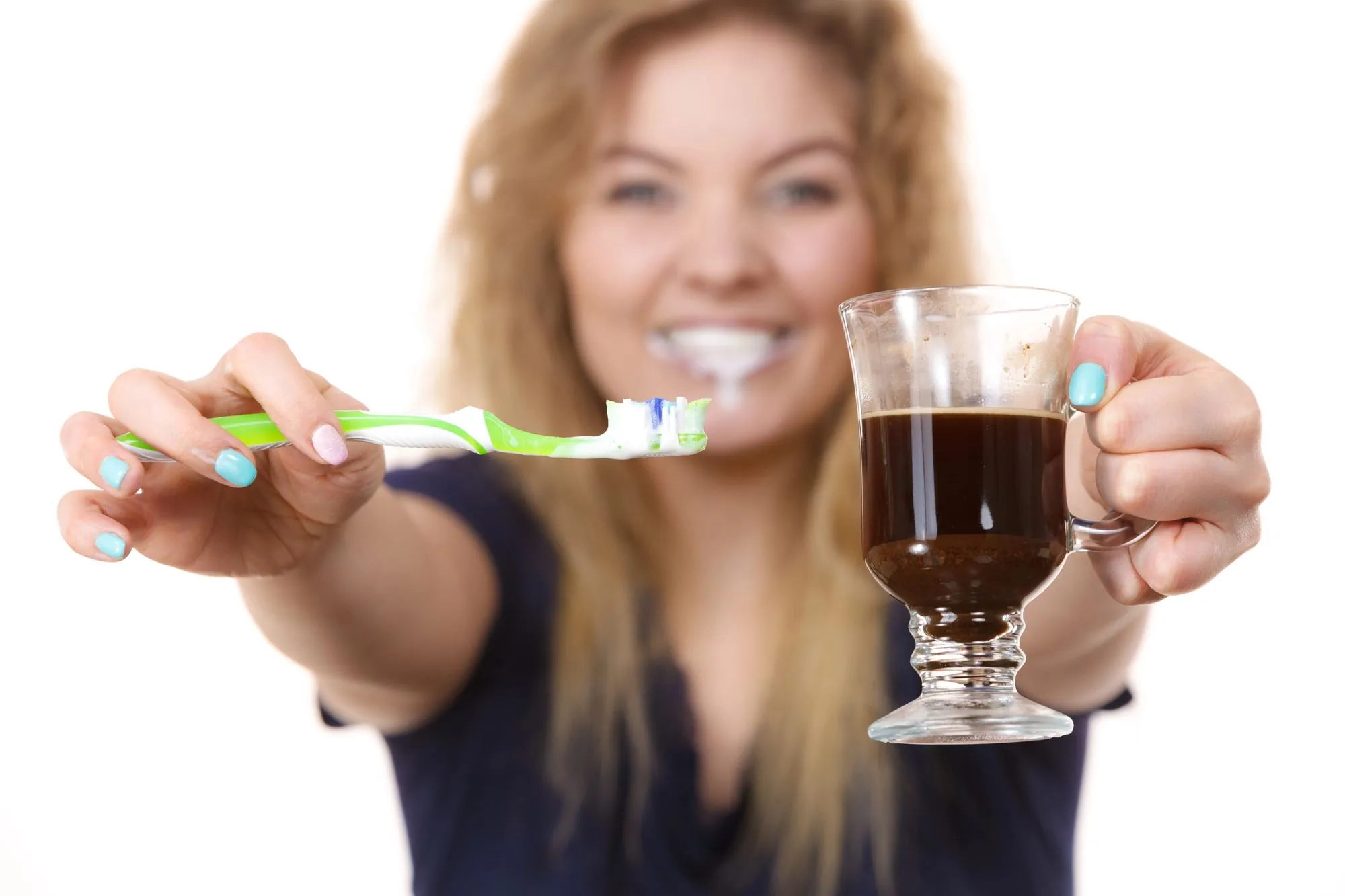
You do not have to give up coffee to keep a bright smile. Simple habits like rinsing with water, using a straw for iced coffee, and keeping up with cleanings can limit stains, while professional whitening safely lifts the discoloration coffee leaves behind.
For many people, the day does not truly start until that first cup of coffee. Unfortunately, the same drink that wakes you up can slowly dull your smile over time. The good news is that teeth whitening in Fort Lauderdale can remove many coffee stains, and a few smart habits can help keep them from coming back. Here is everything a coffee lover needs to know about protecting a whiter smile.
Why Does Coffee Stain Your Teeth?
Your teeth may look smooth, but enamel actually has tiny pores and ridges. Coffee contains natural compounds that settle into these spaces and build up with every sip. Over months and years, these pigments create a yellow or brown tint that brushing alone cannot fully remove. Understanding how this happens makes it easier to fight back.
Tannins and Color Compounds
Coffee is rich in tannins, plant-based compounds that help color molecules stick to tooth surfaces. These pigments, sometimes called chromogens, cling to enamel and gradually darken your teeth. The darker and stronger your coffee, the more pigment it tends to carry. Tea and red wine contain similar compounds, which is why they stain teeth too.
Acidity and Enamel
Coffee is also mildly acidic, which can temporarily soften the outer layer of enamel. Softer enamel is more likely to absorb stains and wear down over time. As enamel thins, more of the yellowish dentin underneath begins to show through. This is one reason coffee drinkers may notice their teeth getting darker with age.
Habits That Make Coffee Stains Worse
How you drink coffee can matter just as much as how much you drink. Some everyday habits give stains more time to settle into enamel. Watch out for these common culprits:
Sipping slowly on one cup over several hours
Adding sugar or sweet syrups that feed plaque bacteria
How to Keep Your Teeth White Without Giving Up Coffee
Small changes to your routine can make a big difference in how much coffee stains your teeth. These tips are easy to follow and do not require cutting back on your favorite drink. Try adding a few of them to your daily habits:
Drink your coffee within a shorter time frame instead of sipping all day.
Rinse your mouth or drink a glass of water after each cup.
Use a straw for iced coffee to limit contact with your front teeth.
Chew sugar-free gum to boost saliva, which naturally rinses teeth.
It may seem logical to brush right after your morning coffee, but timing matters. Because coffee is acidic, brushing too soon can wear down softened enamel. Waiting about 30 minutes gives your saliva time to restore balance in your mouth. In the meantime, a quick rinse with water helps wash away pigments.
Choosing Your Brew Wisely
Some coffee choices are kinder to your smile than others. Adding a splash of milk may help reduce how strongly pigments bind to teeth. Skipping sugary syrups also lowers your risk of plaque buildup, which can trap stains. Cold brew is often less acidic than hot coffee, though it still contains color compounds.
Does Professional Whitening Work on Coffee Stains?
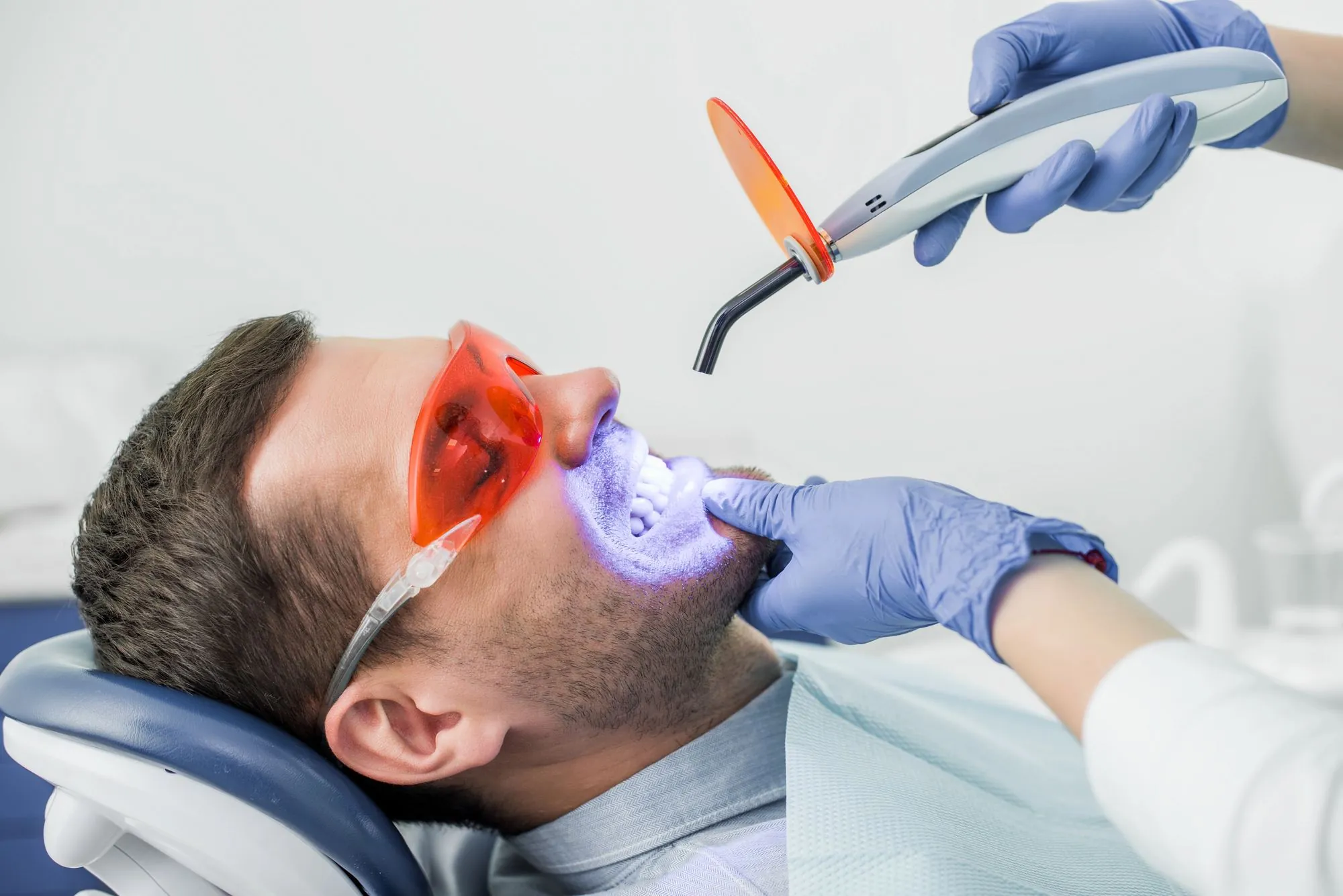
Yes, coffee stains are among the types of discoloration that respond best to professional whitening. These stains are usually yellow or brown, which whitening gels are designed to break down. Professional treatments use stronger, dentist-supervised formulas than store-bought products. Many patients see their teeth become several shades brighter after treatment.
In-Office vs. Take-Home Whitening
In-office whitening delivers fast results, often in a single appointment. Your dentist applies a professional-strength gel while protecting your gums throughout the process. Take-home whitening uses custom-fitted trays and a gentler gel that you wear for a set time each day. Both options are effective, and your dentist can help you choose the best fit for your schedule and goals.
Protecting Your Results After Whitening
Your teeth can be more prone to staining in the first day or two after whitening. During this time, it is best to avoid coffee, tea, and other dark drinks if possible. If you cannot skip your morning cup, drink it through a straw and rinse with water right after. Occasional touch-up treatments can help your smile stay bright for the long run.
Frequently Asked Questions
How long does whitening last for coffee drinkers?
Results often last six months to two years, depending on your habits. Daily coffee drinkers may notice stains returning sooner than others. Rinsing after coffee and using touch-up trays can help extend your results.
Does adding milk to coffee prevent stains?
Adding milk may help lighten the color of your coffee and slightly reduce staining. However, it does not completely prevent discoloration. Good brushing habits and regular cleanings are still important.
Is iced coffee better for my teeth than hot coffee?
Iced coffee still contains the same pigments as hot coffee. The advantage is that you can drink it through a straw, which limits contact with your front teeth. Just be mindful of sugary add-ins.
Can whitening toothpaste remove coffee stains?
Whitening toothpaste can help remove light surface stains over time. However, it cannot change the deeper color of your teeth like professional whitening can. It works best as a way to maintain results between treatments.
Will whitening make my teeth sensitive?
Some people experience mild, temporary sensitivity after whitening. This usually fades within a few days. Your dentist can adjust your treatment or recommend a desensitizing toothpaste to keep you comfortable.
Enjoy Your Coffee and a Brighter Smile With Teeth Whitening in Fort Lauderdale
Your daily coffee ritual and a bright smile can go hand in hand. At TLC Dental, our team offers professional whitening options that safely lift coffee stains and help you keep your results longer. We will also share simple tips tailored to your habits so your smile stays fresh. Schedule your whitening appointment today and start enjoying every cup with confidence.