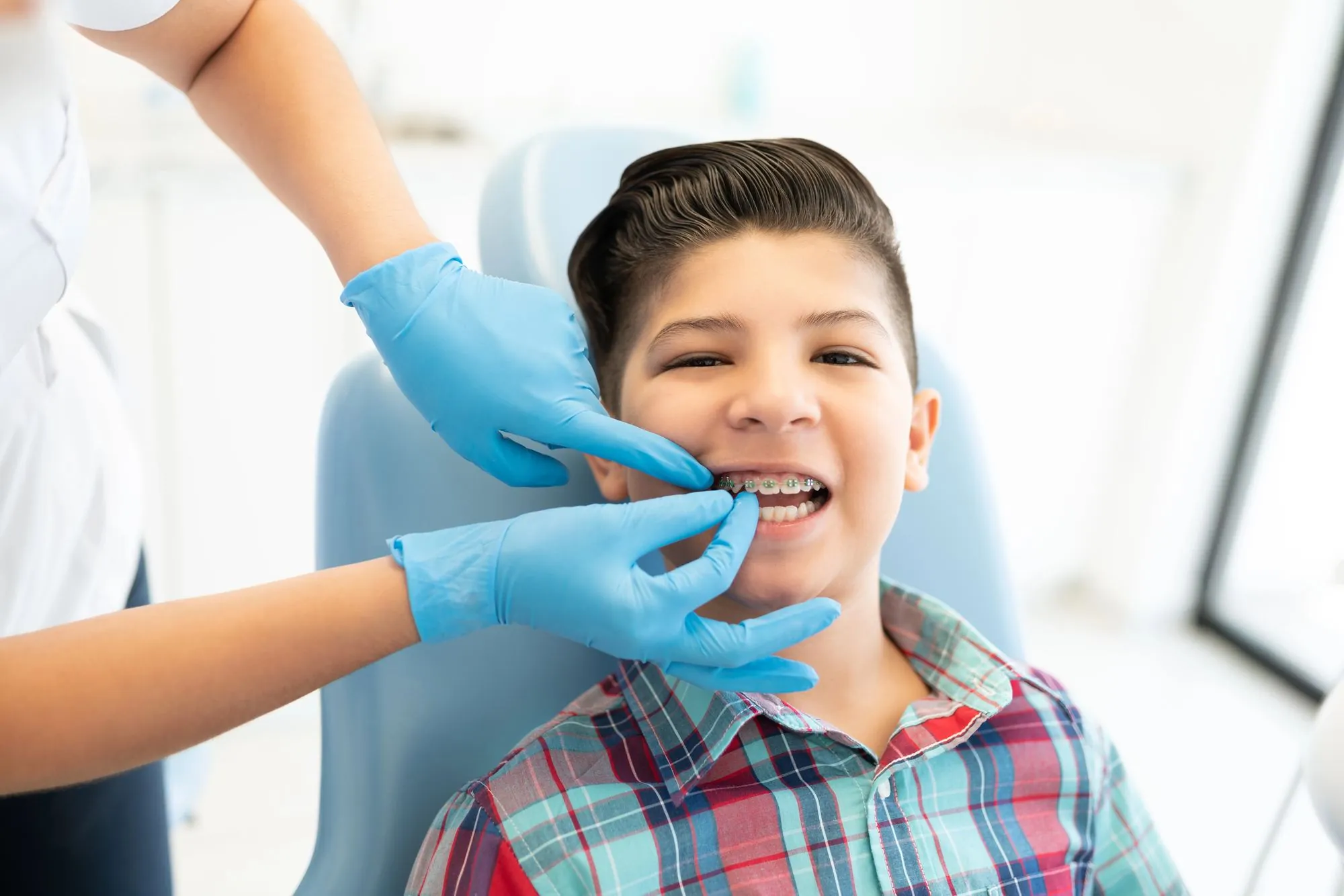
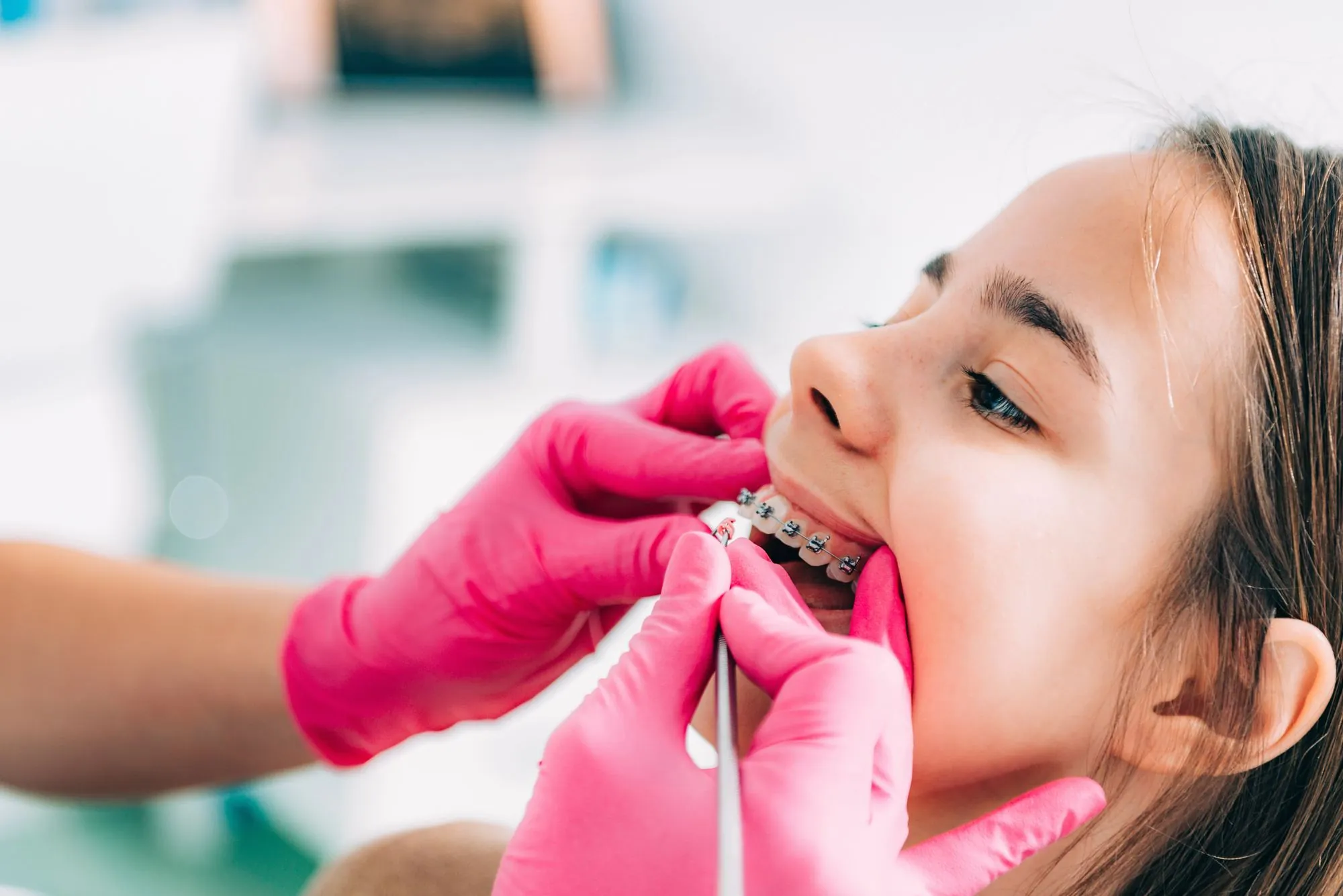
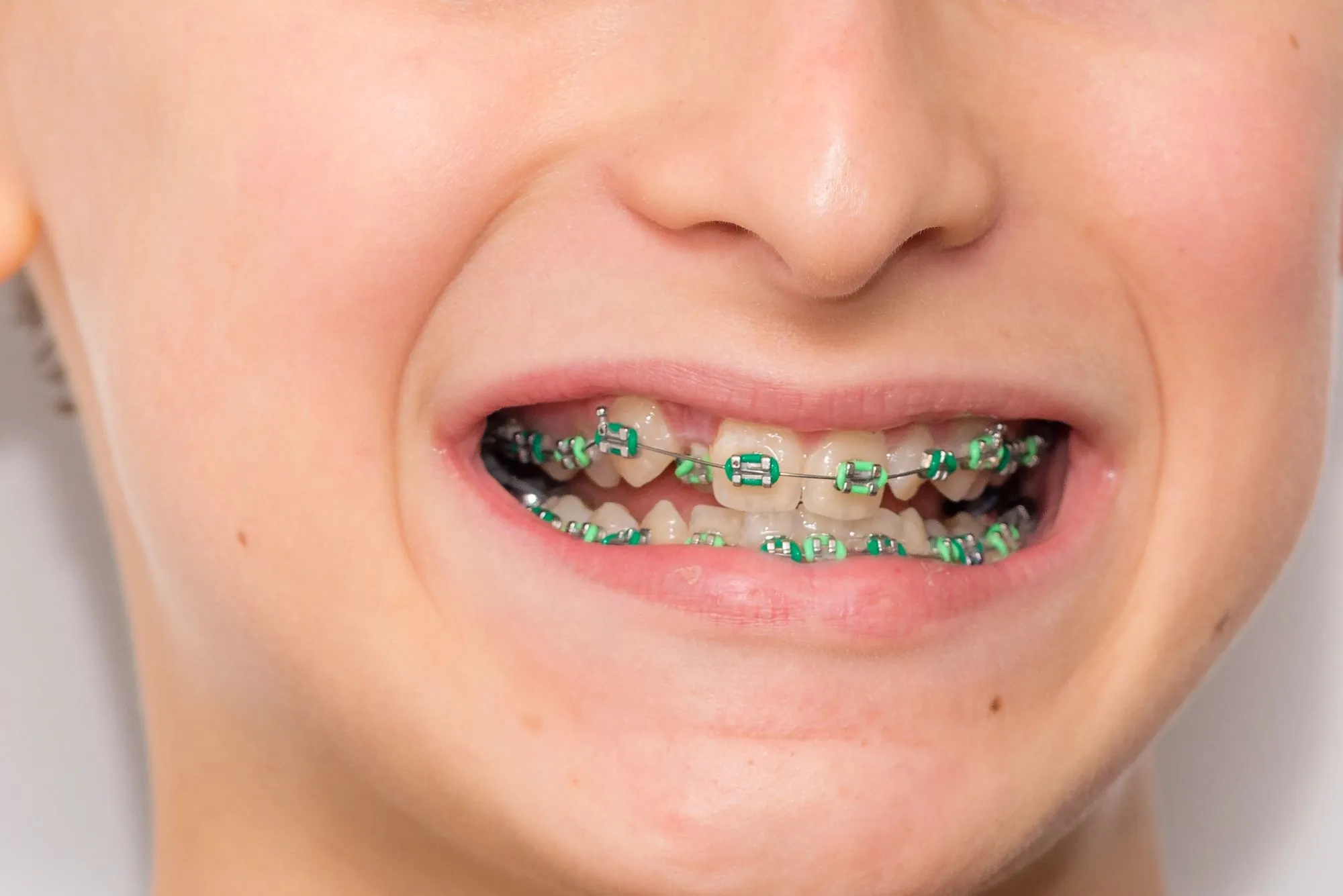
Crowded or crooked teeth, gaps, bite problems, and trouble chewing are common signs a child may need braces. An orthodontic checkup by age 7 helps catch these issues early, when treatment is often simpler and more effective.
Every parent wants their child to have a healthy, confident smile. But it is not always easy to tell whether your child’s teeth will straighten on their own or need professional help. Knowing the early warning signs can help you act at the right time and explore options like affordable braces in Fort Lauderdale. Here is what to look for and when to schedule an orthodontic visit.
What Are the Signs Your Child May Need Braces?
Some orthodontic problems are easy to spot, while others are more subtle. Many signs show up as your child’s baby teeth fall out and adult teeth come in. Paying attention to how your child’s teeth look, fit together, and function can reveal a lot. The following signs are among the most common reasons children are referred for braces.
Crowded, Crooked, or Overlapping Teeth
Crowding happens when there is not enough room in the jaw for all the adult teeth. As a result, teeth may twist, overlap, or come in at odd angles. Crowded teeth are harder to brush and floss, which raises the risk of cavities and gum problems. Braces gently guide teeth into better positions and create a smile that is easier to keep clean.
Gaps Between Teeth
Small gaps are normal while baby teeth are falling out, but some spaces remain after adult teeth arrive. Large gaps can happen when teeth are smaller than the jaw or when teeth are missing. Spaces can also allow neighboring teeth to drift out of place over time. Braces can close these gaps and help teeth stay evenly aligned.
Bite Problems
A bite problem, also called a malocclusion, means the upper and lower teeth do not meet correctly. Bite issues can affect chewing, speech, and even the growth of the jaw. Some bite problems are visible, while others are only noticeable to a trained eye. Common types include:
Overbite: The upper front teeth overlap the lower teeth too much.
Underbite: The lower teeth sit in front of the upper teeth.
Crossbite: Some upper teeth sit inside the lower teeth when biting down.
Open bite: The front teeth do not touch when the back teeth are closed.
Early or Late Loss of Baby Teeth
Baby teeth act as placeholders for adult teeth, so timing matters. If baby teeth fall out too early, nearby teeth can shift into the open space and block adult teeth. If baby teeth stay too long, adult teeth may come in crooked or behind them. Either situation is worth mentioning to your dentist at your child’s next visit.
Habits and Everyday Clues
Some signs show up in your child’s habits rather than in the mirror. Long-term habits can change how teeth and jaws develop. Watch for clues such as:
Jaw popping, clicking, or shifting when opening and closing
Speech difficulties, such as a lisp
When Should a Child First See an Orthodontist?
The American Association of Orthodontists recommends that children have their first orthodontic checkup by age 7. At this age, a child has a mix of baby and adult teeth, which makes it easier to spot developing problems. This visit does not always mean your child will need braces right away. In many cases, the orthodontist simply monitors growth and recommends the best time to begin treatment.
Why Early Evaluation Matters
Children’s jaws are still growing, which gives orthodontists a valuable window to guide development. Some problems are easier to correct before the jaw finishes growing. Early evaluation can also help prevent issues from becoming more complex later. This can sometimes shorten treatment time or reduce the need for more involved care in the teen years.
Benefits of Treating Problems Early
Early orthodontic care, sometimes called Phase 1 treatment, focuses on correcting specific problems while a child is still growing. Not every child needs it, but it can make a meaningful difference for those who do. Potential benefits include:
Guiding jaw growth to create more room for adult teeth
Correcting harmful bite problems before they worsen
Lowering the risk of injury to protruding front teeth
Making future treatment simpler and shorter
How Braces Help Kids Beyond a Straight Smile
Braces do much more than improve how a smile looks. Straighter teeth are easier to clean, which helps lower the risk of cavities and gum disease. A properly aligned bite also reduces uneven wear on teeth and strain on the jaw. Many children also feel more confident when they smile, speak, and meet new people.
Frequently Asked Questions
What is the best age for a child to get braces?
Most children begin braces between ages 9 and 14, once most adult teeth have come in. However, the right timing depends on each child’s growth and needs. An early checkup helps determine when treatment will be most effective.
Can my child’s teeth straighten on their own?
Some minor crowding may improve as the jaw grows. However, true bite problems and significant crowding usually do not correct themselves. An orthodontic evaluation can tell you whether to wait or begin treatment.
How long will my child need to wear braces?
Most children wear braces for about 18 to 24 months. Treatment time depends on the type of problem and how well your child follows care instructions. Regular adjustment visits help keep treatment on schedule.
Do braces hurt for kids?
Braces do not hurt when they are placed, but teeth may feel sore for a few days afterward. Mild soreness can also follow adjustment visits. Soft foods and over-the-counter pain relievers, as directed, usually help.
How can I make braces more affordable for my child?
Many practices offer flexible payment plans that spread costs over the course of treatment. Dental insurance may also cover part of orthodontic care for children. Ask your orthodontic team to review your options during the consultation.
Schedule Your Affordable Braces in Fort Lauderdale Today
Catching orthodontic problems early can set your child up for a lifetime of healthy smiles. At TLC Dental, our team provides gentle, kid-friendly orthodontic care and works with families to find treatment plans that fit their budget. We take time to explain every step so you and your child feel comfortable and informed. Schedule your child’s evaluation today and take the first step toward a healthier, straighter smile.