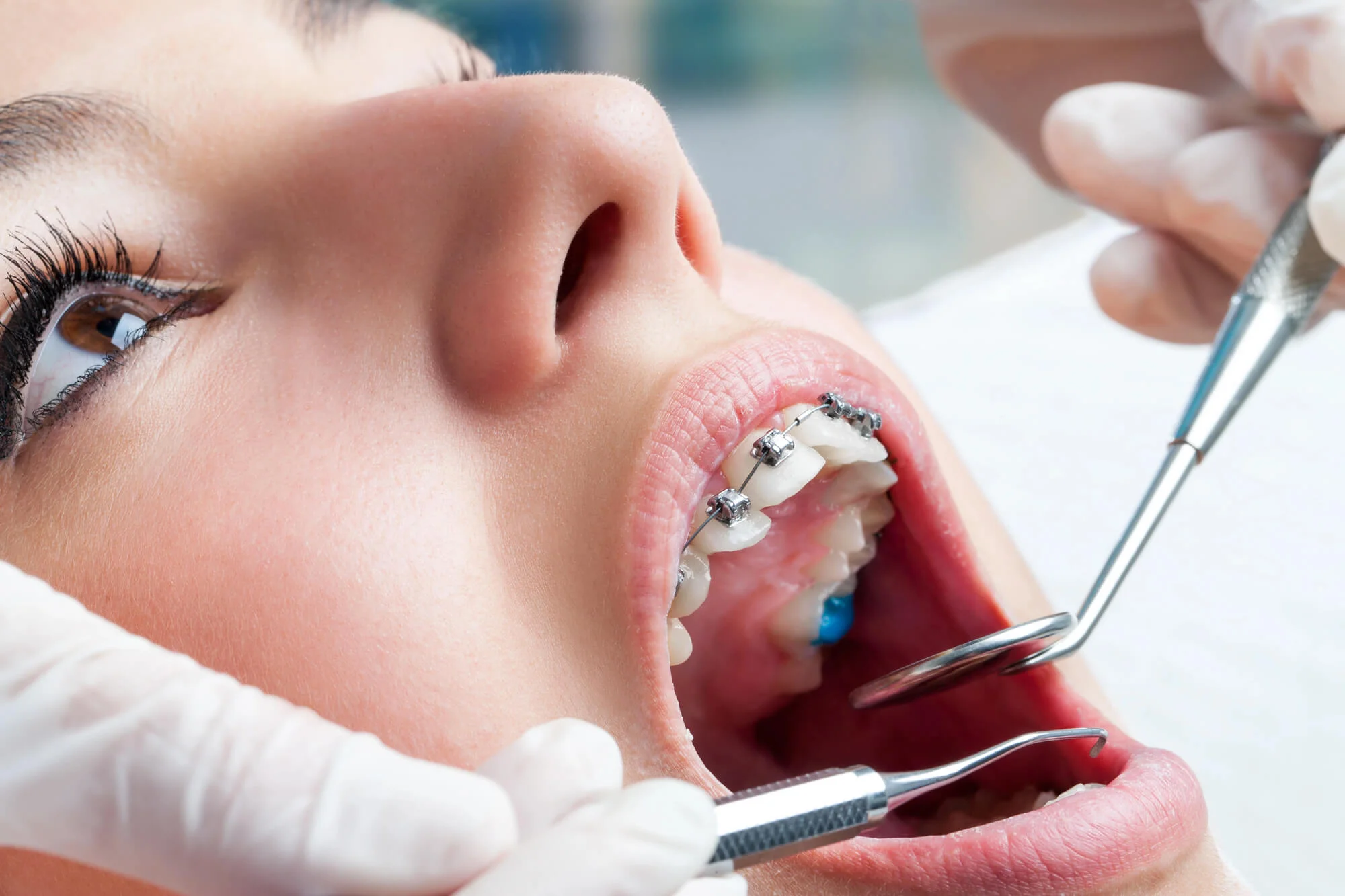
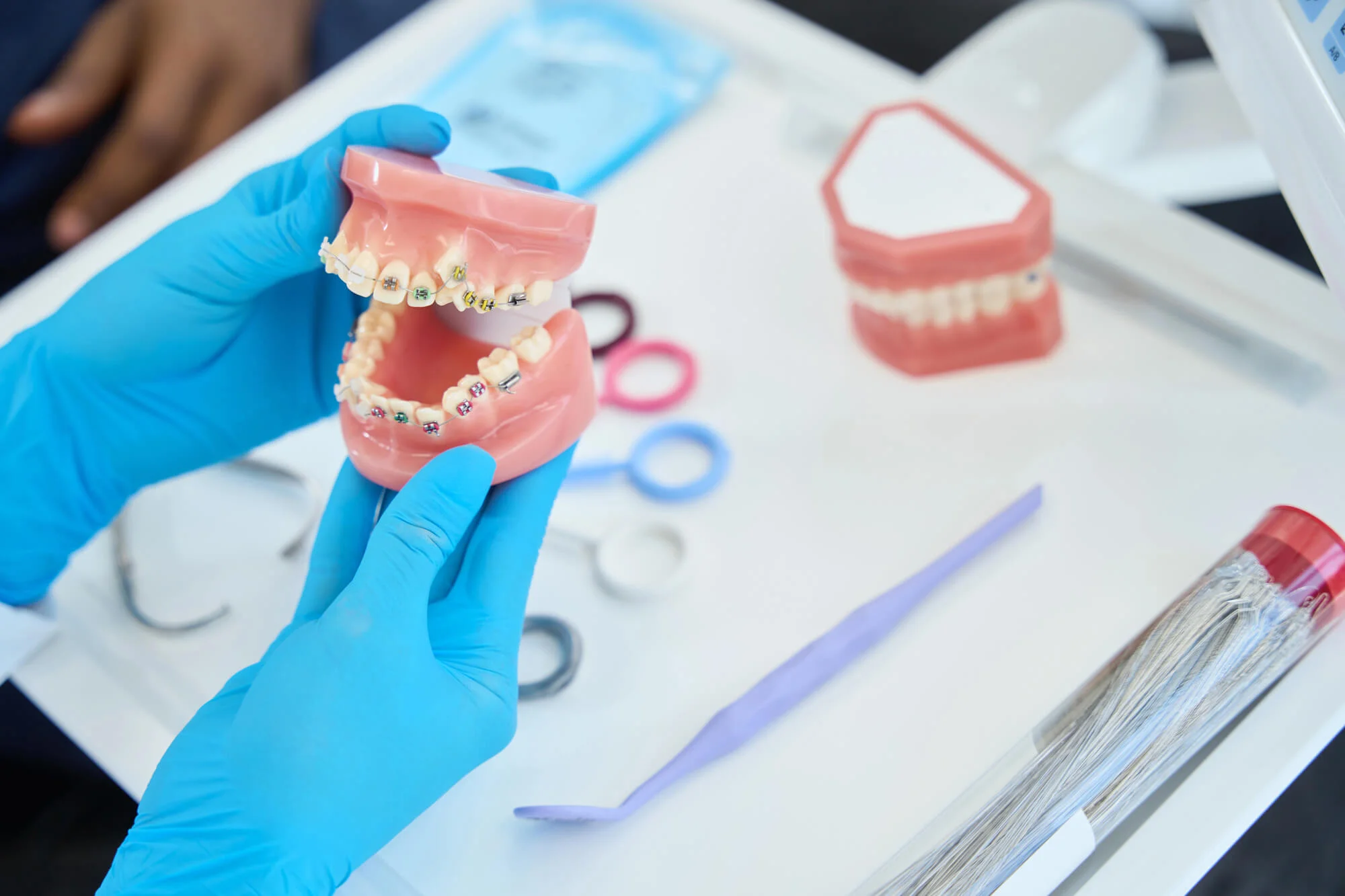
Most people wear braces for about 18 to 24 months, though treatment can range from six months to three years. The exact timeline depends on how complex your case is, your age, the type of braces you choose, and how closely you follow your orthodontist's instructions.
Braces are one of the most effective ways to straighten teeth and correct bite problems. One of the first questions patients ask is how long they will need to wear them. The answer is different for everyone, but understanding the factors involved can help you set realistic expectations. If you are considering affordable braces in Tamarac, knowing what affects your treatment time can help you plan with confidence.
The Average Time You Will Wear Braces
For most patients, braces stay on for about 1.5 to 2 years. Mild cases, such as small gaps or slight crowding, may be finished in as little as six to twelve months. More complex cases involving bite problems or severe crowding can take two to three years. Your orthodontist will give you a personalized estimate after your exam and X-rays.
What Affects How Long Treatment Takes
Several factors influence the length of your treatment. Some are related to your teeth and jaw, while others depend on your habits during treatment. Knowing these factors helps you understand why timelines vary. Common factors include:
The severity of crowding, spacing, or misalignment
Bite problems such as overbite, underbite, or crossbite
Your age and stage of jaw development
The type of braces or aligners you choose
How well you follow care instructions and keep appointments
Mild vs. Complex Cases
Mild cases usually involve teeth that only need small movements. These might include a slightly crooked front tooth or minor spacing. Complex cases often involve moving many teeth and correcting how the upper and lower jaws fit together. Bite corrections take longer because teeth and jaws must shift gradually and safely.
Age and Jaw Development
Children and teens often move through treatment faster because their jaws are still growing. Orthodontists can use this growth to guide teeth and jaws into better positions. Adults can still get excellent results, but their bones are fully developed, so teeth may move more slowly. Many adults successfully complete treatment within a similar timeframe with good care.
Types of Braces and Treatment Time
The type of orthodontic treatment you choose can affect how long it takes. Each option works a little differently and suits different needs. Comparing them side by side can make your decision easier. Your orthodontist will recommend the best choice based on your teeth and goals.
Traditional Metal Braces
Metal braces are one of the most common and cost-effective options. They are strong and work well for both simple and complex cases. Because they apply steady pressure, they are very reliable at moving teeth. Many patients choose them because they offer excellent results at a lower cost.
Ceramic Braces
Ceramic braces work much like metal braces but use tooth-colored brackets. They blend in with your teeth, making them less noticeable. Treatment time is usually similar to that of metal braces. However, ceramic brackets can be more fragile and may require extra care.
Clear Aligners
Clear aligners use a series of removable plastic trays to straighten teeth. They often work well for mild to moderate cases. To stay on schedule, aligners must be worn about 20 to 22 hours a day. Leaving them out too often can extend your treatment time.
How to Stay on Track With Treatment
Your daily habits play a big role in how quickly your treatment progresses. Following your orthodontist's instructions helps your teeth move as planned. Small daily choices add up over the course of treatment. Missing appointments or damaging your braces can add weeks or even months to the treatment.
Tips to Avoid Delays
Keep all scheduled adjustment appointments so your orthodontist can monitor your progress. Avoid hard, sticky, and chewy foods that can break brackets or bend wires. Wear rubber bands or other appliances exactly as directed. Brush and floss carefully to prevent cavities, which can interrupt treatment.
What Happens After Braces Come Off
Getting your braces removed is an exciting milestone, but treatment is not completely over. Teeth naturally try to shift back to their old positions after braces. A retainer holds your teeth in place while the surrounding bone and tissue settle. Wearing it as directed protects the results you worked hard to achieve.
Wearing Your Retainer
Most patients wear a retainer full-time for the first several months after braces. After that, many switch to wearing it only at night. Some retainers are removable, while others are bonded behind the teeth. Your orthodontist will explain how long and how often to wear yours.
Frequently Asked Questions
Can braces be done in less than a year?
Yes, mild cases can sometimes be completed in six to twelve months. These often involve small gaps or minor crowding. Your orthodontist will let you know if a shorter timeline is possible for you.
How often will I need appointments?
Most patients visit their orthodontist every four to eight weeks. During these visits, wires are adjusted, and progress is checked. Clear aligner patients may need fewer in-office visits. Regular visits help keep your treatment moving on schedule.
Do braces hurt the whole time?
Most soreness happens in the first few days after braces are placed or adjusted. The discomfort usually fades as your mouth adjusts. Soft foods and over-the-counter pain relievers can help during these times. Orthodontic wax can also soothe irritation from brackets.
Can adults get braces?
Yes, adults of any age can get braces as long as their teeth and gums are healthy. Many adults choose ceramic braces or clear aligners for a more discreet look. Straightening teeth at any age can improve both appearance and oral health.
Are there affordable options for braces?
Many orthodontic offices offer payment plans to spread out the cost of treatment. Some dental insurance plans also provide orthodontic coverage, especially for children. Asking about financing during your consultation can help you find an option that fits your budget.
Start Your Smile Journey With Affordable Braces in Tamarac
Knowing how long braces take helps you prepare for a straighter, healthier smile. Our team will examine your teeth, explain your options, and give you a clear treatment timeline. We will also review payment options to make orthodontic care easier to manage. Contact TLC Dental today to schedule your orthodontic consultation.