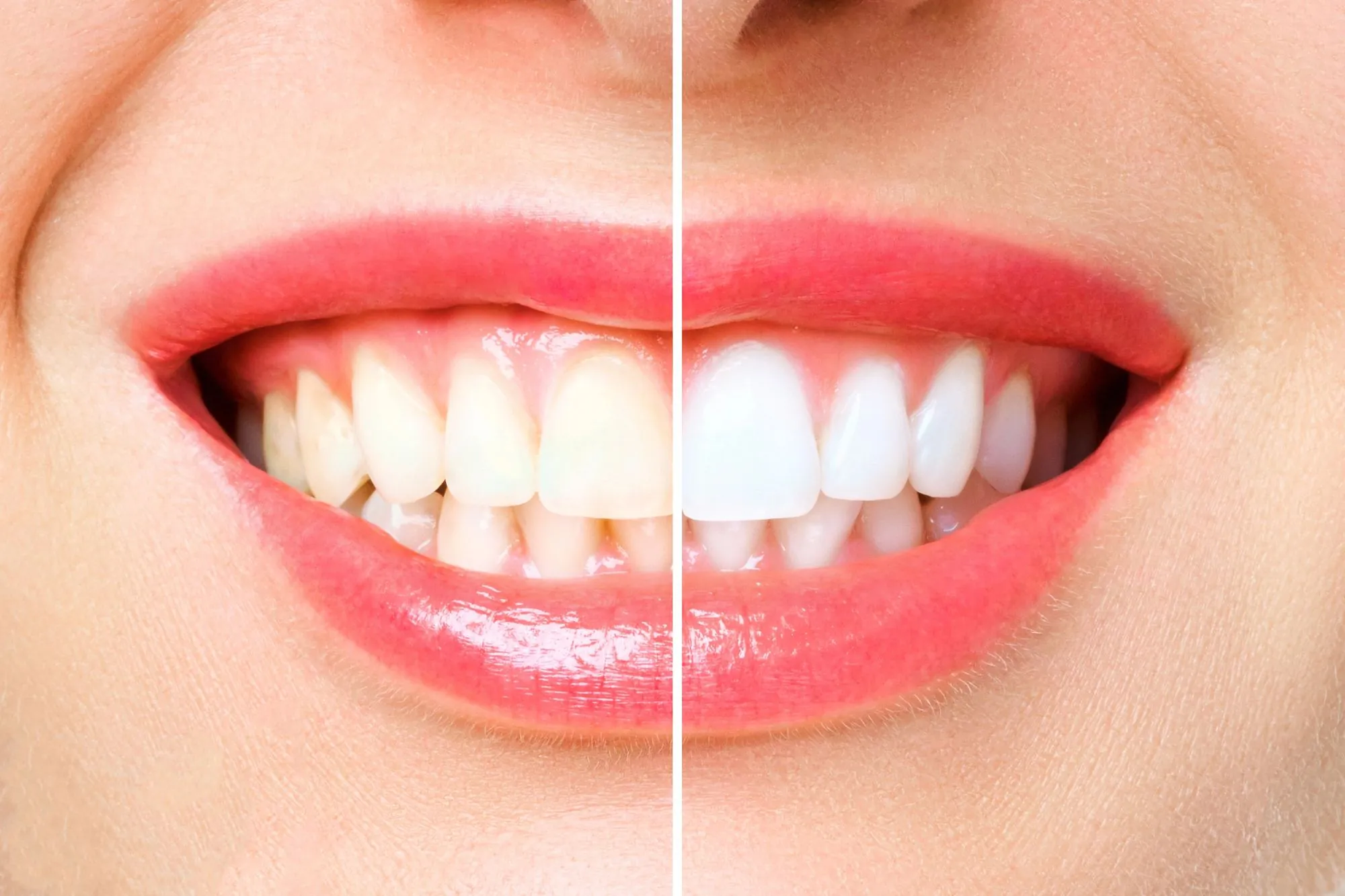
Yes, teeth can be over-whitened. Whitening too often or with the wrong products can cause sensitivity, gum irritation, and an unnatural look. Each person’s teeth have a natural whitening limit, and professional whitening helps you reach a bright, healthy shade without overdoing it.
A bright smile can boost your confidence, so it is no surprise that whitening is one of the most popular cosmetic treatments. But more is not always better when it comes to whitening your teeth. Choosing professional teeth whitening in Tamarac helps you get noticeable results while protecting your enamel and gums. Here is what you should know about over-whitening and how to find the shade that is right for you.
Can Teeth Really Be Too White?
Teeth can look too white when they no longer match your natural features. An overly bright shade may appear flat, chalky, or artificial, especially next to your skin tone and the whites of your eyes. Over-whitening can also affect how your teeth feel, not just how they look. The goal of whitening should be a smile that looks healthy and natural, not one that looks painted on.
Every Tooth Has a Natural Whitening Limit
Whitening works by breaking down stain molecules on and beneath the enamel surface. Once most of those stains are gone, your teeth reach a natural plateau. Continuing to whiten past this point does not make teeth meaningfully whiter. Instead, it mainly increases the chance of side effects without improving your results.
What Over-Whitening Looks Like
Over-whitened teeth often look different from naturally bright teeth. The changes can be subtle at first, but they tend to become more noticeable with repeated treatments. Signs that teeth may be over-whitened include:
A chalky, flat, or opaque white appearance
Edges of the teeth that look translucent or slightly bluish
Uneven color or blotchy white spots
A shade that looks unnatural next to your skin tone
Ongoing sensitivity to hot or cold foods and drinks
The Risks of Whitening Too Often
Whitening is safe when used as directed, but overuse can lead to problems. Most side effects are temporary, but repeated exposure can make them last longer or become more uncomfortable. The risk is higher when products are used more often than recommended. Common risks of over-whitening include:
Tooth sensitivity: Whitening agents can temporarily irritate the nerves inside your teeth.
Gum irritation: Gel that touches the gums can cause redness or soreness.
Enamel changes: Excessive use may affect the surface of the enamel and make teeth look more translucent.
Uneven results: Overuse can exaggerate white spots or make color look patchy.
Why Store-Bought Products Are Easy to Overuse
Over-the-counter whitening strips and gels are convenient, but they rarely come with professional oversight. Many people use them back to back or longer than recommended, hoping for faster results. One-size-fits-all strips may also allow gel to touch the gums, increasing irritation. Without a dentist checking your progress, it can be hard to know when to stop.
When Whitening Becomes a Habit
Some people become so focused on a whiter smile that they whiten constantly, a pattern sometimes called bleachorexia. Because teeth naturally look slightly off-white, they may never feel satisfied with their shade. This cycle can lead to ongoing sensitivity and a smile that looks less natural over time. A dentist can help set realistic goals and a healthy whitening schedule.
How to Find Your Ideal Shade
The most attractive smile is one that complements your face. A common guideline is to aim for teeth that are close to the color of the whites of your eyes. This creates a bright yet natural look that suits most skin tones. Your dentist can use a shade guide to show you where your teeth are now and what is realistic to achieve.
How Professional Whitening Keeps Results Safe
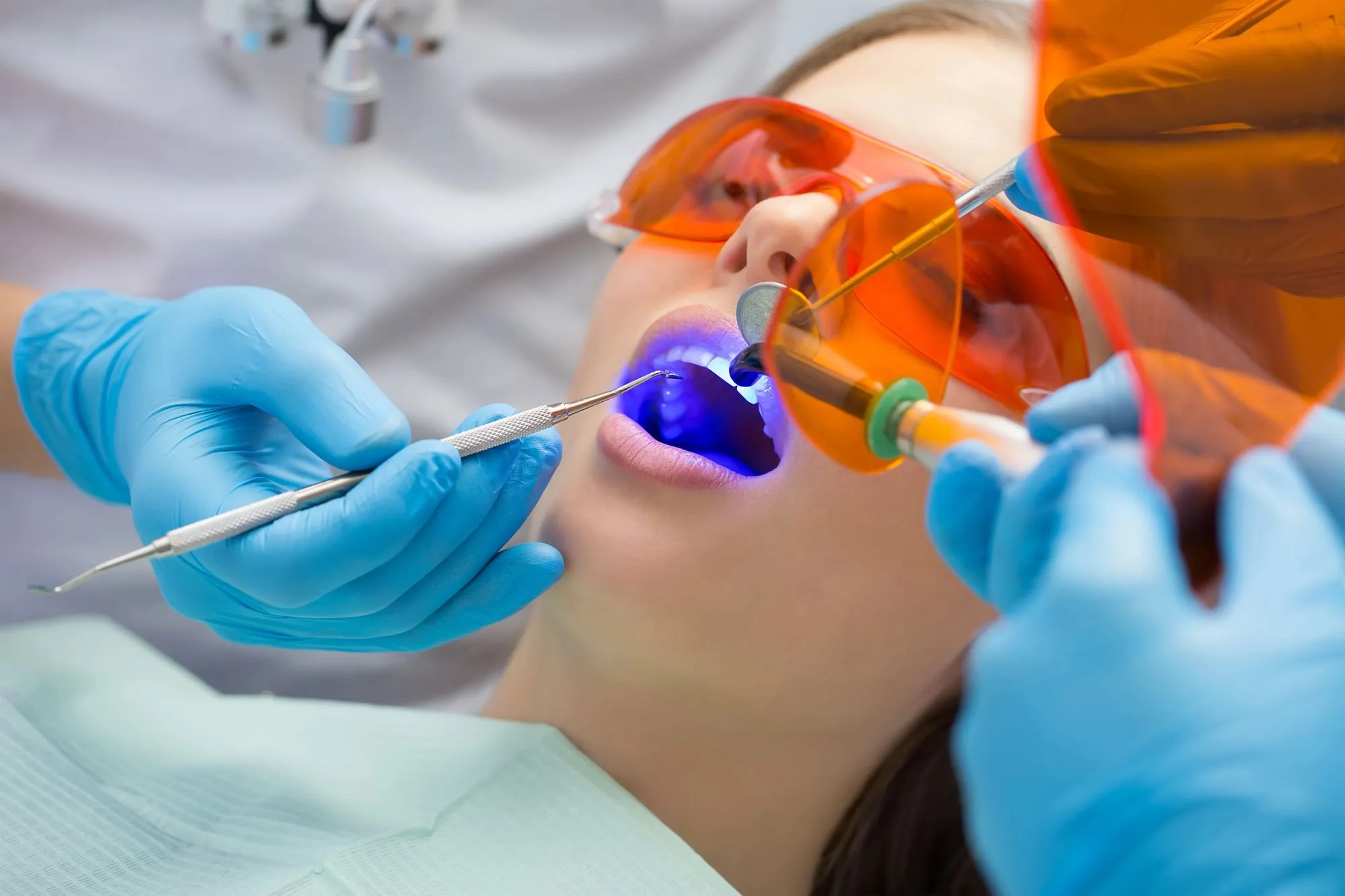
Professional whitening is tailored to your teeth, your goals, and your oral health. Before treatment, your dentist checks for cavities, gum issues, or worn enamel that could make whitening uncomfortable. During in-office treatment, your gums are protected so the gel only touches your teeth. Take-home kits use custom-fitted trays that keep the gel where it belongs and reduce irritation.
How Often Is It Safe to Whiten?
There is no single schedule that fits everyone, since habits and enamel vary from person to person. Many patients only need occasional touch-ups every several months to a year after their initial treatment. Coffee, tea, and red wine drinkers may need touch-ups a bit more often. Your dentist will recommend a schedule that keeps your smile bright without overdoing it.
Frequently Asked Questions
Can over-whitening permanently damage my teeth?
Most side effects, like sensitivity and gum irritation, are temporary and fade once whitening stops. However, frequent overuse may affect the enamel surface over time. Following your dentist’s guidance is the best way to protect your teeth.
Why do the edges of my teeth look see-through after whitening?
The biting edges of teeth naturally have thinner enamel, so they can appear translucent. Whitening can make this more noticeable, especially with repeated use. Your dentist can check whether this is normal or a sign to pause treatment.
Is professional whitening safer than whitening strips?
Professional whitening is supervised by a dentist and customized to your needs. Your gums are protected, and your progress is monitored to avoid overuse. Strips can work for some people, but they carry a higher risk of misuse.
What should I do if my teeth are sensitive after whitening?
Take a break from whitening and use a toothpaste made for sensitive teeth. Avoid very hot or cold foods and drinks for a few days. If sensitivity continues, contact your dentist.
How white should my teeth be?
A natural-looking shade usually matches or is close to the whites of your eyes. The right shade also depends on your skin tone and personal preferences. Your dentist can help you choose a goal that looks bright and natural.
Get Safe, Natural-Looking Teeth Whitening in Tamarac
A brighter smile should look natural and feel comfortable. At TLC Dental, our team provides professional whitening designed to give you noticeable results while protecting your enamel and gums. We will help you choose a shade that complements your features and a care plan that keeps your smile healthy. Schedule your whitening consultation today and enjoy a brighter smile the safe way.